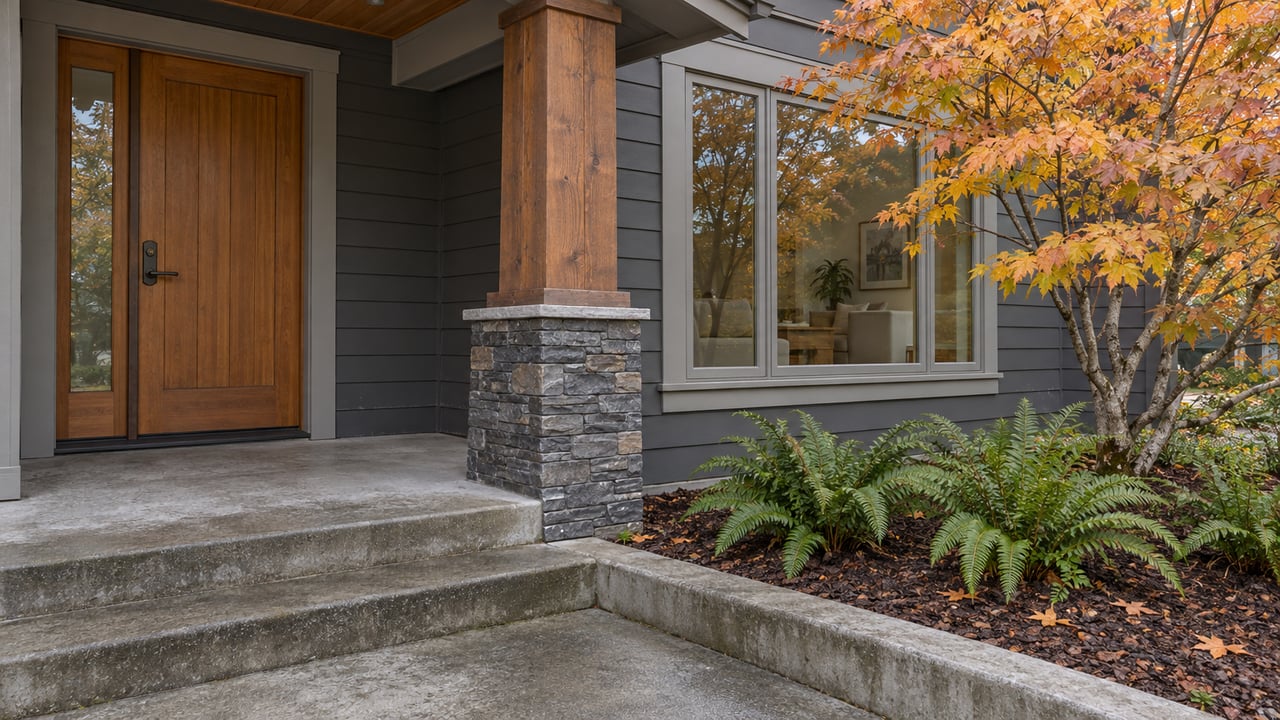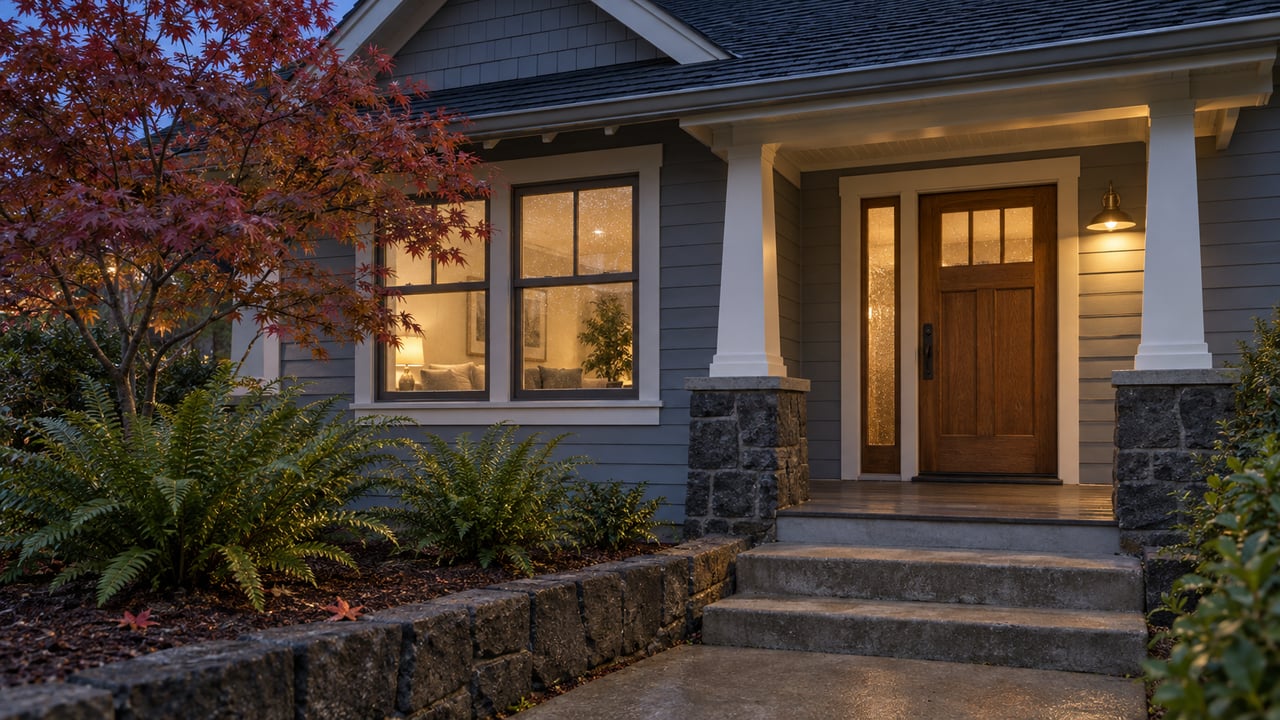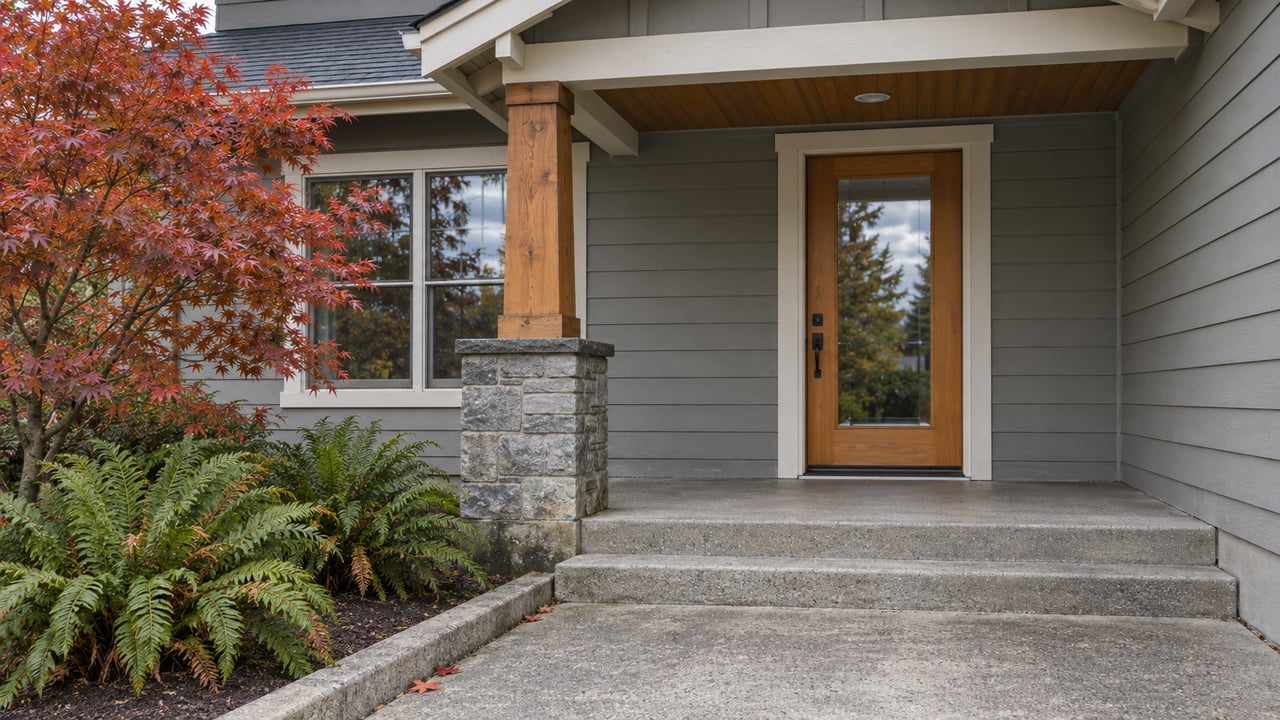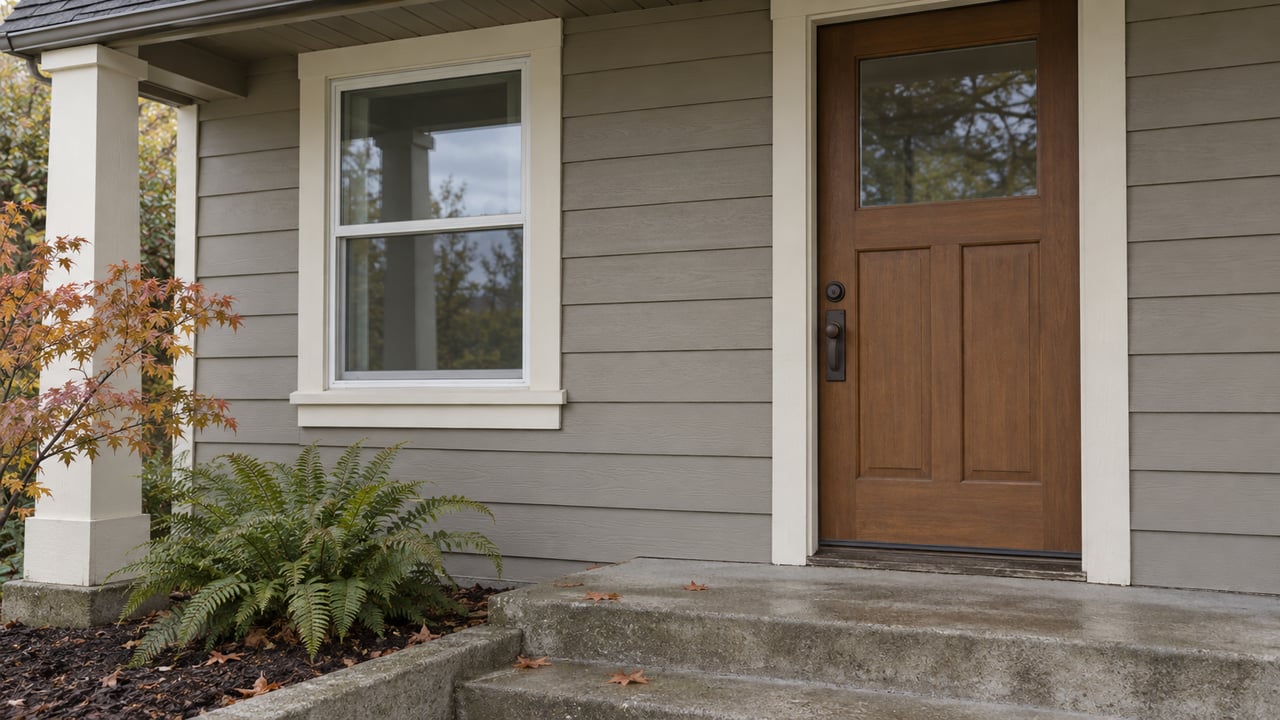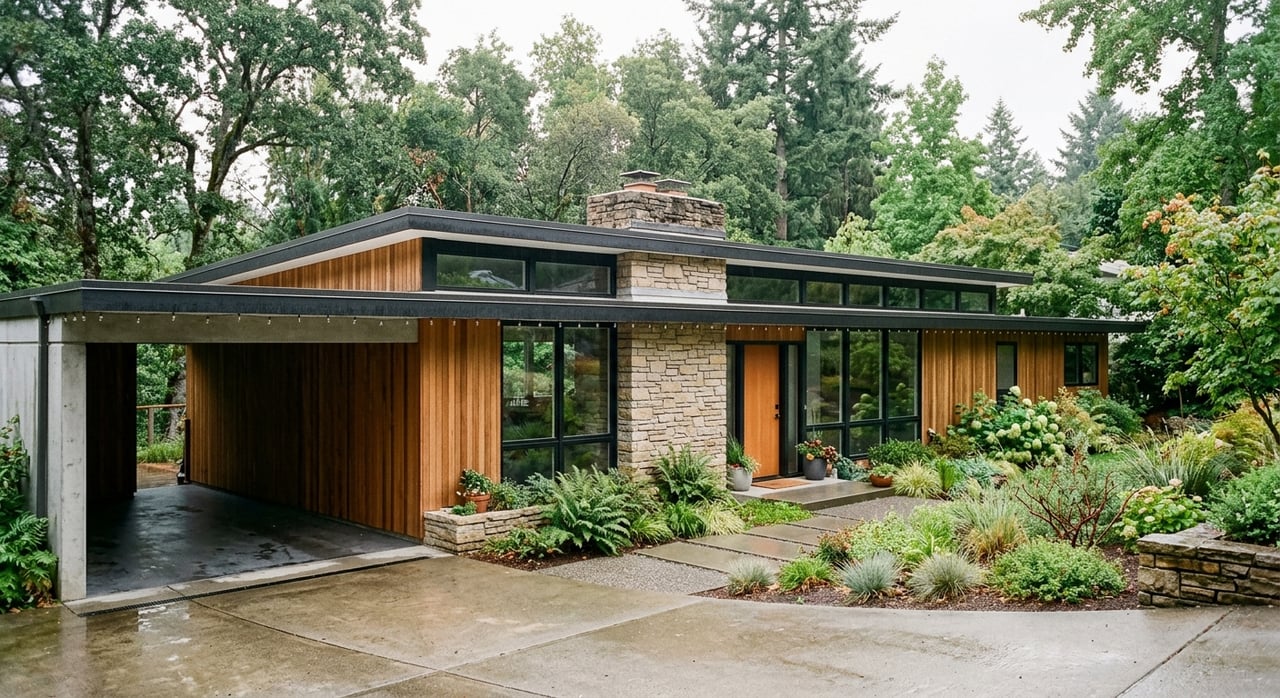
If you own a mid-century home in Lakewood, you may be sitting on one of the area’s most marketable property types. Buyers are still paying attention to homes that feel distinctive, well cared for, and true to their design, especially in a market where well-presented listings are moving quickly. If you want to protect your home’s character while maximizing its appeal, this guide will help you focus on what matters most before you list. Let’s dive in.
Lakewood Gives Mid-Century Homes an Edge
Lakewood’s housing story makes mid-century homes feel right at home here. City planning materials describe Lakewood as a postwar growth area, and that history shows up in the architecture, lot patterns, and neighborhood setting.
That matters when you sell. A mid-century home in Lakewood is not just about the structure itself. In many parts of the city, especially around American Lake, Gravelly Lake, and Steilacoom Lake, the setting helps tell the story.
The city describes the Lakes District as tree-lined, lower density, and quiet, with the lakes serving as a major natural amenity. If your home has strong indoor-outdoor flow, mature landscaping, or views tied to the surrounding environment, those details should be part of the listing strategy.
Why Timing Still Looks Favorable
Lakewood remains competitive in mid-2026, even if different housing data sources report slightly different numbers. Across major datasets, the message is consistent: homes that are priced well and presented well are still getting attention.
Recent reporting shows median sale prices in the mid-$500,000 range, homes going pending in around 10 to 12 days, and sale-to-list ratios hovering around full price. Realtor.com also identifies Lakewood as a seller’s market. For you, that means strong preparation can still pay off.
Preserve the Features Buyers Want
When sellers prepare a mid-century home, one of the biggest mistakes is removing the details that make the home feel authentic. Mid-century buyers are often drawn to the original design language, not just the age of the house.
According to preservation guidance on residential design from the period, the most defining features often include open floor plans, patios and terraces, sliding glass doors, floor-to-ceiling windows, masonry hearth walls, exposed beams, carports, and broad horizontal lines. If your home has these features, they are usually assets, not problems to hide.
Mid-century details worth keeping
- Open, connected living spaces
- Large windows and strong natural light
- Sliding glass doors
- Patios, terraces, and outdoor entertaining areas
- Exposed timbers or beams
- Masonry fireplaces or hearth walls
- Original built-ins or period-appropriate storage
- Carports and low, horizontal exterior lines
You do not need to make your home feel like a time capsule. You do want it to feel intentional. Clean, functional, well-maintained spaces tend to perform better than homes that have been heavily altered in ways that blur the original architecture.
Focus Updates on Condition and Function
If you are deciding what to update before listing, keep your eye on return and restraint. The best prep plan for a Lakewood mid-century home is usually not a full redesign.
For the Pacific region, the 2025 Cost vs Value report shows especially strong returns for smaller, targeted improvements. Garage door replacement, steel entry door replacement, fiber-cement siding, minor kitchen remodels, and wood deck additions all performed better than major kitchen overhauls.
NAR’s 2025 Remodeling Impact Report also found that many buyers are less willing to compromise on condition than in the past. REALTORS most often recommend painting and new roofing before selling, and a new steel door delivered the highest reported cost recovery.
Updates that may make sense before listing
- Interior or whole-home paint
- Roof repair or replacement if needed
- Siding repair or selective exterior improvement
- Garage door replacement
- Steel entry door replacement
- Minor kitchen refresh
- Minor bath refresh
- Deck repair or cleanup
Updates to approach carefully
- Major kitchen remodels
- Full layout reconfiguration
- Replacing original details without a clear reason
- Trend-driven finishes that fight the home’s style
In many cases, a restrained refresh works best. Fresh paint, repaired surfaces, improved lighting, and updated hardware can help the home show better without stripping away the character that makes it stand out.
Market the Architecture and Setting Together
In Lakewood, the strongest mid-century listings often tell a combined story. Buyers are not just comparing bedroom counts. They are responding to how the home lives, how it relates to the lot, and how the setting supports the design.
That is especially true near the lakes, where Lakewood’s own planning history ties neighborhood identity to shoreline living, mature trees, and homes that evolved from summer cottages into year-round residences. If your property has a strong relationship to the outdoors, that should shape the photography, staging, and listing copy.
What buyers may respond to most
- Window lines that frame trees, water, or natural light
- Easy flow from living areas to patios or decks
- Original materials that still feel solid and useful
- Private outdoor spaces with mature landscaping
- A calm, cohesive feel between architecture and site
This is where premium presentation matters. Strong visuals, thoughtful staging, and clear pricing can help buyers understand why your home is different from a generic updated house.
Be Careful With Shoreline Changes
If your home is near American Lake, Gravelly Lake, Steilacoom Lake, Lake Louise, Waughop Lake, Chambers Creek, or Clover Creek, do not assume exterior changes are simple. Lakewood’s 2024 periodic review materials note that shoreline buffer widths are staying the same in these areas, and the city specifically asked owners within 200 feet of a shoreline to review proposed changes.
That means before adding or changing a deck, dock, grading, or other hardscape, you should verify current city requirements and permit needs. Even small projects can affect listing prep timelines if they trigger review.
For sellers, this is important in two ways. First, it can prevent costly surprises before going on market. Second, it helps you avoid promoting improvements that may raise buyer questions later.
Gather Records Before You List
Washington generally requires sellers of improved residential real property to provide a completed seller disclosure statement unless a waiver or exemption applies. For that reason, it is smart to organize your paperwork early.
Start by gathering permit records, repair invoices, roof information, utility updates, and notes about any known issues. If you have completed work over the years, clear documentation can help support buyer confidence and keep the transaction moving.
Helpful documents to collect
- Seller disclosure materials
- Permit records
- Receipts for repairs or upgrades
- Roof and siding service records
- Appliance ages if known
- Information on shoreline-related work, if applicable
This prep work is especially useful for older homes. Mid-century properties often attract buyers who ask more detailed questions about condition, systems, and what is original versus updated.
Plan Your Timeline the Smart Way
If you have six to eighteen months before listing, use that runway carefully. Research supports spending that time on maintenance, paint, roof or siding repair, and modest kitchen or bath improvements instead of a full rework.
That approach tends to protect your resale potential and your home’s design integrity at the same time. It also gives you room to phase projects, gather records, and build a cleaner launch plan.
A thoughtful listing process can make a real difference in a competitive market. With the right prep, your home can stand out for its condition, architecture, and connection to one of Lakewood’s most distinctive settings.
If you are thinking about selling a mid-century home in Lakewood, a neighborhood-specific strategy matters. The Network helps sellers prepare, position, and market distinctive homes with local insight, responsive service, and polished presentation.
FAQs
What mid-century features should you keep when selling a Lakewood home?
- Focus on preserving open living spaces, large windows, sliding doors, beams, masonry fireplaces, built-ins, patios, and other details that help the home feel authentically mid-century.
What updates offer the best resale potential for a Lakewood mid-century home?
- Smaller, targeted projects often perform best, including paint, roof work, garage or entry door replacement, siding repair, and a minor kitchen refresh.
What should you know if your Lakewood home is near a lake or shoreline?
- If your property is near areas such as American Lake, Gravelly Lake, or Steilacoom Lake, verify current city rules and permit requirements before making exterior changes like decking, grading, docks, or hardscape work.
What paperwork do you need to sell a home in Washington?
- Washington sellers generally need to provide a completed seller disclosure statement for improved residential property unless an exemption or waiver applies, so it helps to gather permits, repair records, and known property details early.
Is Lakewood a good market for selling a mid-century home right now?
- Current 2026 data points to a competitive Lakewood market, with homes selling around the mid-$500,000 range and many well-prepared listings moving quickly.