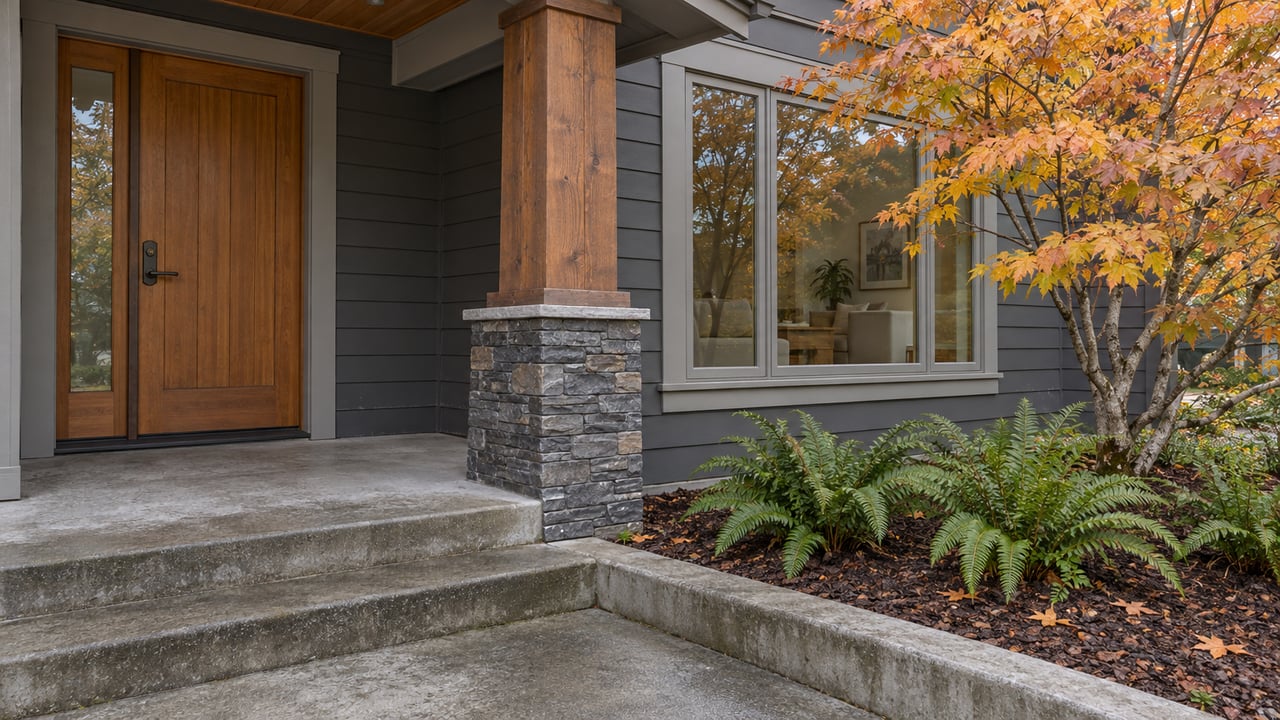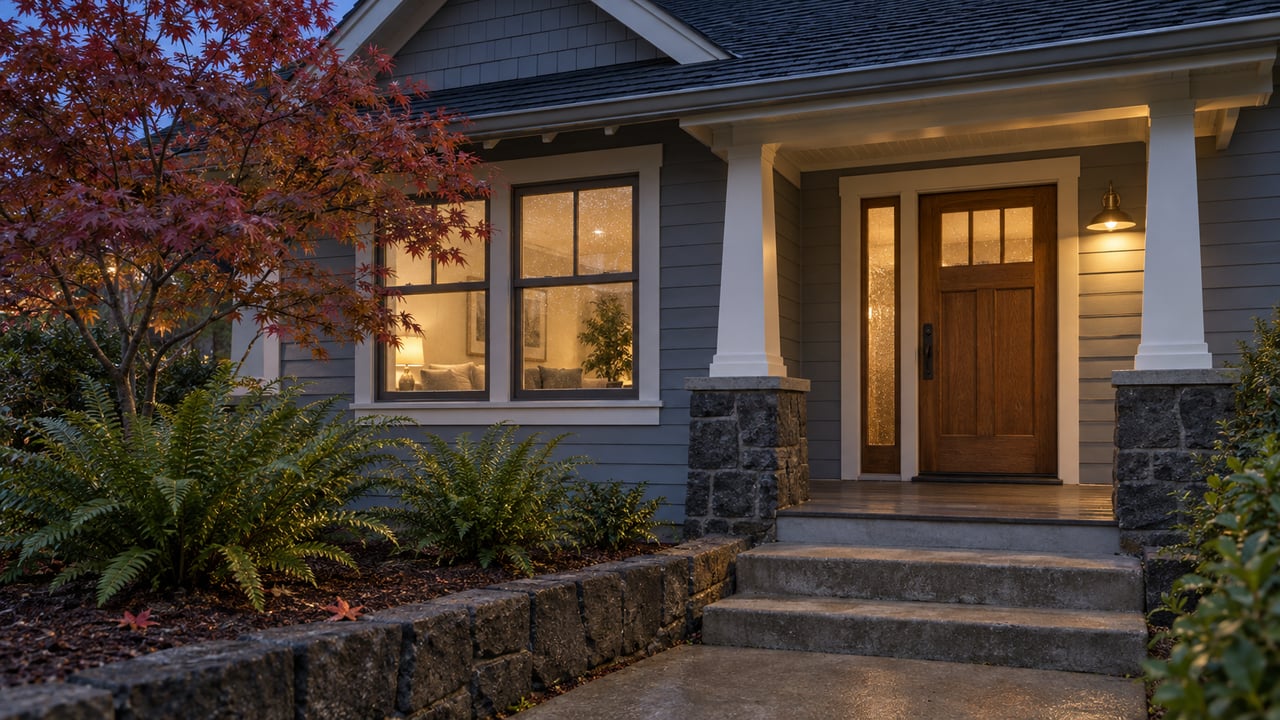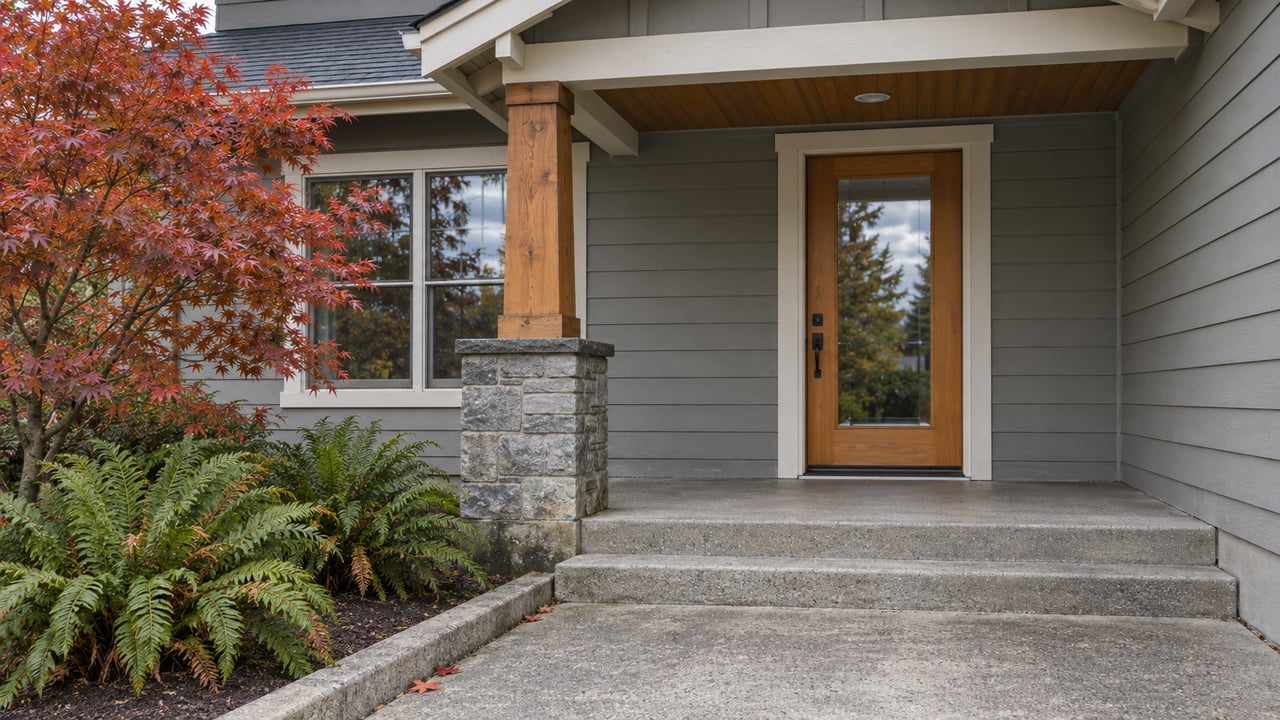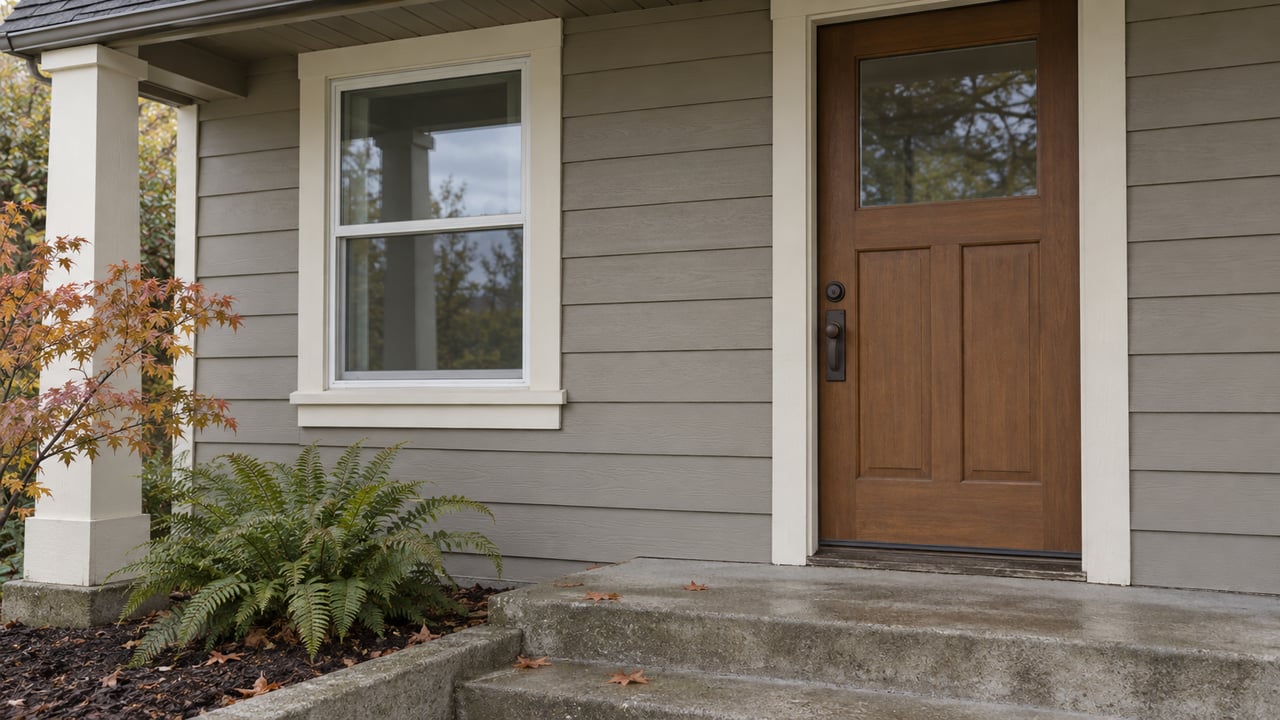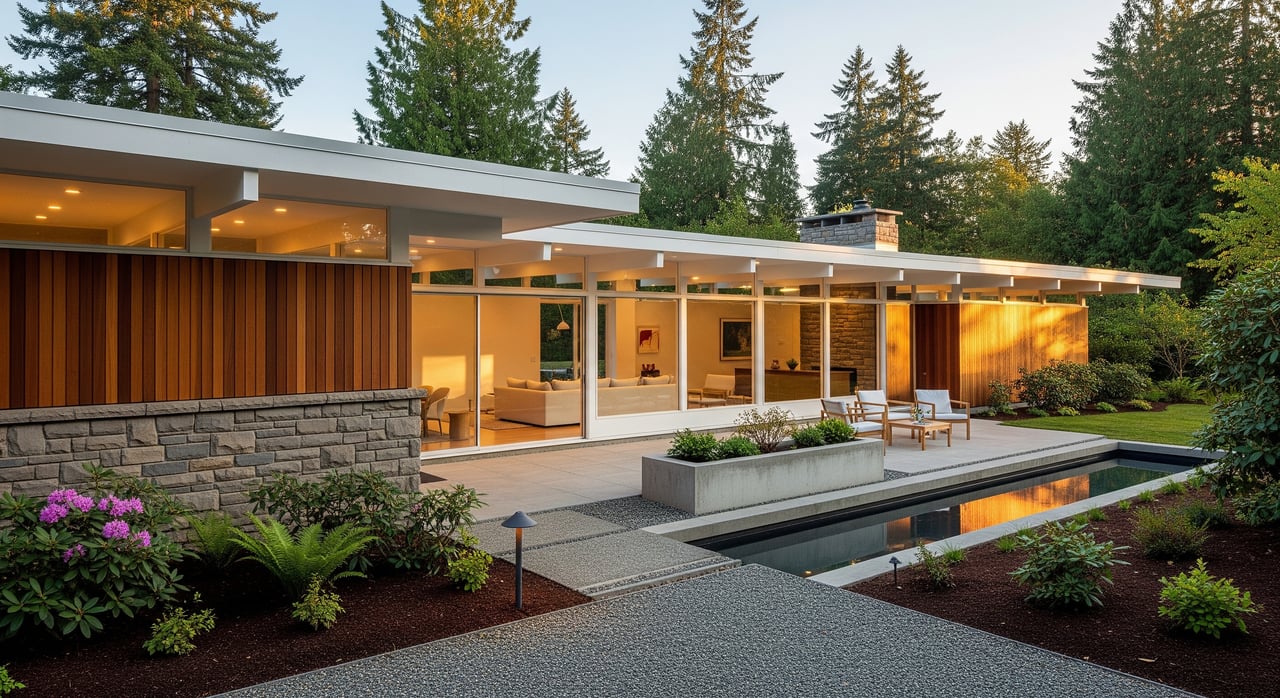
Love clean lines, warm wood, and walls of glass? If you are drawn to mid-century design, Lakewood offers a quiet pocket of classic homes with Northwest character and access to lakes and parks. Buying one takes a careful eye. You want the style you love and the systems you can trust. In this guide, you’ll learn what to look for at showings, how to plan inspections, which updates matter most, and how Lakewood stacks up across the Puget Sound. Let’s dive in.
Mid-century, Lakewood style
Mid-century in the South Sound usually means homes built from about 1945 to 1975. In Lakewood, you will see single-story ranches, post-and-beam houses, and split-level plans sized for suburban lots. Many blend national mid-century modern ideas with Northwest features like heavy timbers, wide overhangs, and big eaves.
Common details include low-pitch or flat roofs, open layouts with fewer interior bearing walls, and large picture windows or sliding doors that connect to patios. Inside, you may find tongue-and-groove wood ceilings, exposed beams, built-ins, and period tile or hardware. Original mechanical systems and single-pane windows are common, so plan to evaluate performance and efficiency.
Neighborhoods to explore
Gravelly Lake and American Lake
These areas include many mid-century era subdivisions with larger lots and patios that make indoor-outdoor living easy. Some homes offer lake access or views. Expect a mix of original and renovated properties.
Lake Steilacoom and Fort Steilacoom Park
Homes near the park and lake sit among mature landscaping. Topography and soils vary, so drainage and foundation checks are key. Many houses keep their original modern lines.
Oakbrook and Lake City
These neighborhoods saw strong postwar building. You will find ranch and split-level homes, plus newer infill and renovations. Mid-century details show up in many price ranges.
Note that most mid-century homes here are not in formal historic districts. They are spread across several small subdivisions.
Showings checklist: what to spot
Use this quick list to focus your first walk-through:
- Roof shape and condition. Low-slope or flat roofs need excellent drainage. Look for sagging, patched areas, and worn flashing.
- Overhangs and eaves. Wide eaves are beautiful but can trap moisture. Check fascia and soffits for rot.
- Beams and ceilings. Scan exposed beams and tongue-and-groove wood for staining or soft spots.
- Windows and doors. Note single-pane glass, fogging between panes, frame rot, and smooth slider operation.
- Built-ins and original details. Identify features worth preserving, like cabinetry, hardware, and period tile.
- Foundation or slab. Look for cracks, uneven floors, or moisture at the base of walls.
- Electrical panel and outlets. Check for older service, two-prong outlets, and lack of GFCIs.
- Heating and ventilation. Identify system type and age. Listen for noisy fans and check for stale air.
- Site drainage. Walk the perimeter. Watch for water pooling near the foundation.
- Lake proximity. If near a shoreline, note elevation, retaining walls, and signs of seasonal saturation.
Inspection priorities in Lakewood
Older modern homes reward a thorough inspection plan. Focus on these high-impact items:
- Roof and drainage. Low-slope roofs and wide eaves require tight detailing. Evaluate roof covering, flashing, scuppers, gutters, and roof-to-wall junctions for signs of leaks.
- Moisture and rot. Exposed wood, integrated planters, and low eaves can invite water into posts, fascia, sills, and window frames. Look for paint checking, staining, and soft wood.
- Foundation and slabs. Many homes are on concrete slabs or shallow perimeter foundations. Check for settlement, cracking, moisture wicking, and drainage issues.
- Post-and-beam structure. Inspect beams and posts for rot, insect damage, and proper anchorage. Older connectors may lack modern seismic support.
- Seismic performance. Many mid-century homes were built without anchor bolts, hold-downs, or diaphragm ties. A structural engineer can outline retrofit steps.
- Windows and glazing. Single-pane glass reduces efficiency. In lake-adjacent homes, confirm weather seals and watch for frame rot or leakage.
- Electrical systems. Homes often have limited service and grounding. Look for two-prong outlets, missing GFCIs, and possible aluminum branch wiring in 1960s–70s homes.
- Insulation and ventilation. Attic insulation and ventilation are often below current standards, especially around clerestories and large window areas.
- Hazardous materials. Older finishes may include asbestos or lead-based paint. Plan testing and safe abatement before any renovation.
- Plumbing and water exposure. Check for galvanized piping, corrosion, and the location of older water heaters or past oil tanks. Near-shoreline lots may see higher groundwater.
- HVAC and mechanical. Original systems may be near end of life. Hydronic systems can be complex to modify, so plan upgrades carefully.
Bring in specialists as needed. A mid-century savvy home inspector, structural engineer, roofing and waterproofing contractors, a licensed electrician, and environmental testing pros can help you plan upgrades and negotiate from a position of knowledge.
Lakefront and shoreline checks
If you are eyeing American Lake, Gravelly Lake, or Lake Steilacoom, add these steps:
- Review current floodplain designations and elevation requirements using FEMA flood maps and county resources.
- Confirm whether the property falls under shoreline rules administered locally. Shoreline modifications, docks, and bulkheads often need permits.
- Ask about seasonal water levels, drain tiles, sump systems, and groundwater behavior near the foundation.
These checks protect your budget and timeline and help you understand insurance needs.
Updates buyers often see
Many Lakewood mid-century homes have partial upgrades. Here are common improvements you may encounter or plan:
- Systems upgrades. Electrical service to 200 amp, whole-house rewires, modern heat pumps, water heater replacements, and insulation improvements.
- Window strategies. Options range from restoring original wood units and adding storms to replacing windows with styles that respect original sightlines.
- Roof and exterior. New low-slope membranes, repaired fascia and soffits, gutter upgrades, and improved flashing to reduce leaks.
- Interior updates. Kitchen and bath renovations that keep simple lines, open shelving, and period-friendly tile while improving function.
- Structural and seismic. Bolting sill plates, adding hold-downs, shear walls, and reinforcing beams with concealed connectors. Expect permits and engineering.
- Hazard abatement. Professional testing and removal or encapsulation of asbestos and lead-based paint before disturbance.
Preserve character while modernizing
Focus on saving what makes the home special. Built-ins, exposed beams, wood ceilings, and window proportions are character-defining. Upgrade systems in ways that are visually quiet, like routing new wiring with minimal finish disruption or adding insulation where it does not alter the look.
Permits and timelines
Most structural, electrical, mechanical, and plumbing work requires permits. In Lakewood, permits are issued either by the City of Lakewood or Pierce County Planning and Public Works, depending on the address. Ask sellers for permit records and verify that past work was finaled.
If the property is on or near a regulated shoreline, plan for additional shoreline and floodplain review. If a home has landmark status, design review may apply. For planning purposes:
- Minor cosmetic work and selective systems upgrades often take weeks to a few months.
- Full rewires, major HVAC conversions, or seismic retrofits can take several weeks to months and require licensed trades and permits.
- Major structural changes or full-scale preservation projects may take months and benefit from staging work in phases.
Always get multiple detailed contractor estimates and, if possible, a scope from a preservation-sensitive architect or contractor before you finalize your offer strategy.
How Lakewood compares regionally
Within the Puget Sound region, Lakewood is generally more affordable than many King County and central Tacoma neighborhoods where mid-century homes can command premium prices. In Lakewood, well-kept, architecturally intact homes and lakefront properties can still earn premiums within the local market. Buyers often find larger lots and more interior space for the budget here.
Consider commute patterns to Tacoma and Seattle, access to transit corridors, and local amenities that fit your routine. As more buyers discover the value of mid-century design, strong listings can attract multiple offers, so plan your inspections and financing timelines accordingly.
Smart buyer strategies
- Prioritize thorough inspections with time for specialists like structural engineers and preservation-minded contractors.
- Value intact mid-century details when you assess price. Authentic features can add long-term appeal.
- Build permitting and potential shoreline review into your schedule.
- Work with local pros who have completed mid-century projects in Pierce County.
- Use targeted search terms when you browse listings: mid-century, post-and-beam, clerestory, floor-to-ceiling windows, built-ins, carport, slab foundation, ranch, split level, original wood ceiling, terrazzo, and lakefront, paired with neighborhood names like Gravelly Lake, American Lake, Lake Steilacoom, Oakbrook, and Lake City.
Your next steps
Before you write an offer, gather these essentials:
- Build year and any original plans from county records.
- Permit history and finaled permits from the correct jurisdiction.
- Utility details, including sewer or septic, electrical service size, and heating type.
- Floodplain and shoreline designations, plus any prior environmental testing for asbestos or lead.
- Recent comparable sales of similar-era homes in your target neighborhoods.
When you are ready, connect with a local team that knows Lakewood’s mid-century stock and has relationships with inspectors, engineers, and preservation-minded contractors. The right guidance helps you protect the character you love and the investment you are making.
If you want a clear plan for tours, inspections, and negotiations, reach out to The Network. Our team combines South Sound neighborhood expertise with attentive, buyer-first service to help you purchase a mid-century home with confidence.
FAQs
What defines a mid-century home in Lakewood?
- In Lakewood, mid-century usually means 1945 to 1975 homes with features like low-pitch roofs, open plans, large windows, and Northwest touches such as exposed beams and wide eaves.
Which Lakewood neighborhoods have mid-century homes?
- You will find them around Gravelly Lake, American Lake, Lake Steilacoom near Fort Steilacoom Park, and the Oakbrook and Lake City areas, often dispersed across small subdivisions.
What inspections matter most for Lakewood mid-century homes?
- Focus on roof and drainage, moisture and rot, foundations and slabs, post-and-beam connections, seismic needs, windows, electrical capacity, insulation and ventilation, plumbing, and HVAC condition.
How do shoreline rules affect buying on local lakes?
- Properties on or near American Lake, Gravelly Lake, or Lake Steilacoom may be subject to shoreline and floodplain regulations, with permits needed for docks, bulkheads, or other shoreline changes.
Are original single-pane windows worth keeping?
- Many buyers preserve original wood windows for character and pair them with restoration and storms, or choose replacements that respect original sightlines to balance efficiency and design.
How competitive is Lakewood’s mid-century market?
- Lakewood is generally more affordable than some regional hot spots, but well-preserved mid-century homes and lakefront properties can still draw multiple offers and require strong preparation.
What permits are needed for renovations in Lakewood?
- Structural, electrical, mechanical, and plumbing work typically needs permits from either the City of Lakewood or Pierce County, and shoreline projects may require additional approvals.
How long do common updates take?
- Minor cosmetic and selective systems work can take weeks to a few months, while full rewires, HVAC conversions, seismic retrofits, or major structural work can extend to several months with permits and licensed trades.