Are you torn between Gig Harbor’s small-town waterfront charm and North Tacoma’s walkable, in-city energy? You are not alone. Many buyers and sellers in Pierce County weigh these two areas because they offer very different day-to-day experiences. In this guide, you will learn how housing, commute, schools, safety, and amenities compare so you can choose with confidence. Let’s dive in.
Quick orientation: what and where
Gig Harbor is its own city on the west side of the Tacoma Narrows, while North Tacoma refers to several neighborhoods in Tacoma’s northern section, including the North End, Proctor, Old Town, and the Stadium District. For scale, the City of Tacoma has roughly 219,000 residents while the City of Gig Harbor has around 10,900, based on the 2020 baseline from U.S. Census QuickFacts. That difference shapes everything from housing types to commute patterns and lifestyle.
Housing and neighborhoods
Both areas have strong identities, but home styles and lot patterns are quite different. Think about how you like to live day to day, then match the housing stock to your routines.
Gig Harbor homes and feel
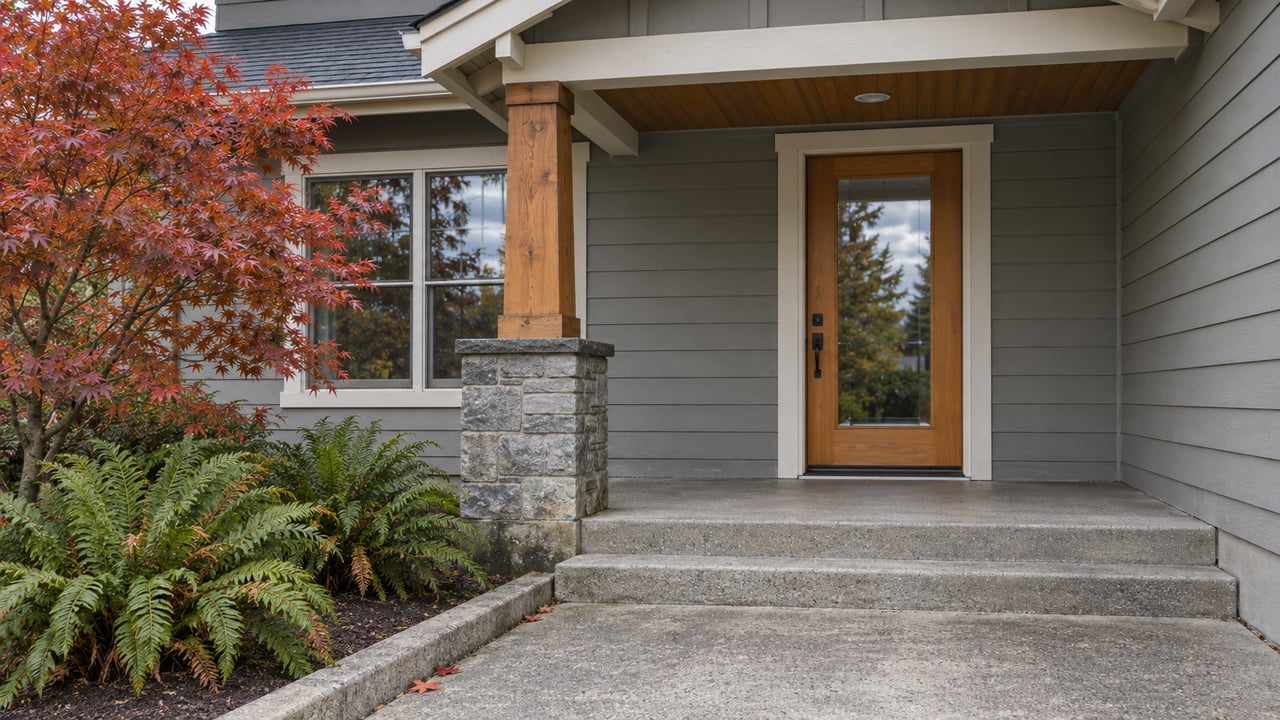
Most neighborhoods lean suburban, with a mix of newer construction, established subdivisions, and sought-after waterfront properties. Many homes sit on larger lots than you find in city neighborhoods. Waterfront desirability can add complexity with permitting, insurance, and price premiums. If you value quiet streets, marina access, and coastal scenery, this setting may feel like a fit.
What to expect:
- Predominantly single-family homes, including newer builds and master-planned communities.
- Waterfront and view homes that command a premium and may involve shoreline considerations.
- HOAs are more common in newer subdivisions and condo communities.
North Tacoma homes and feel
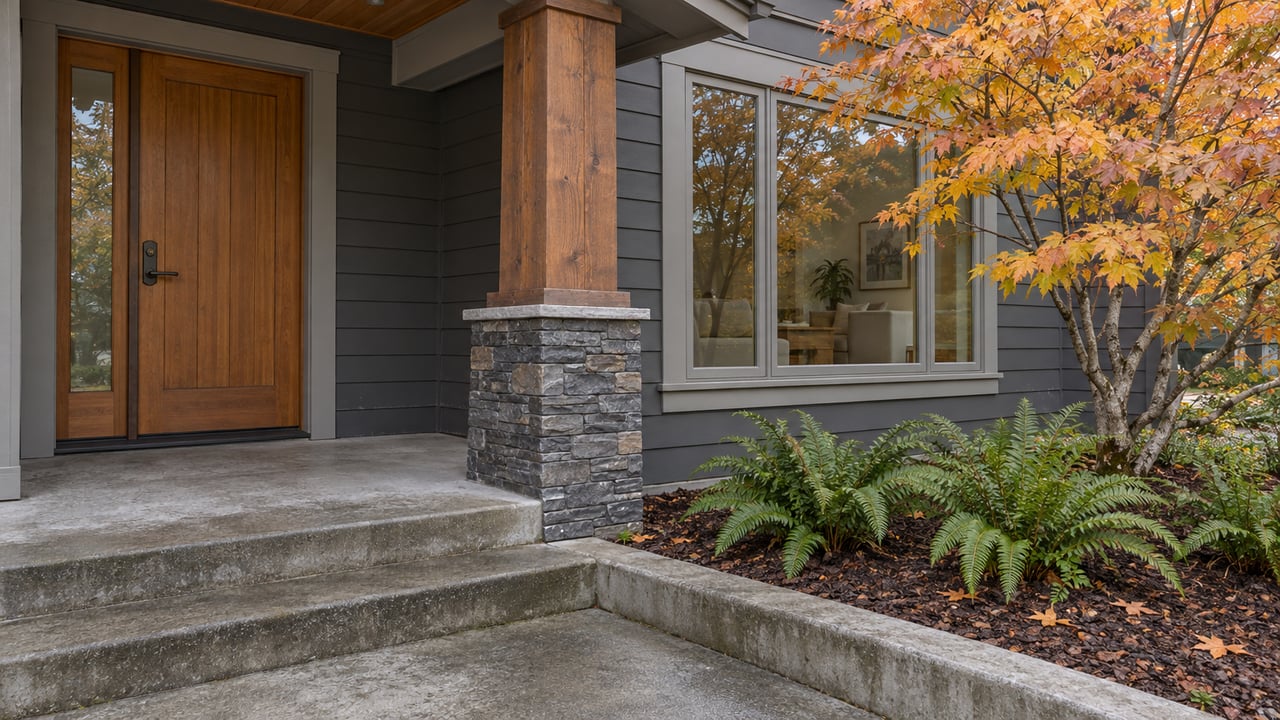
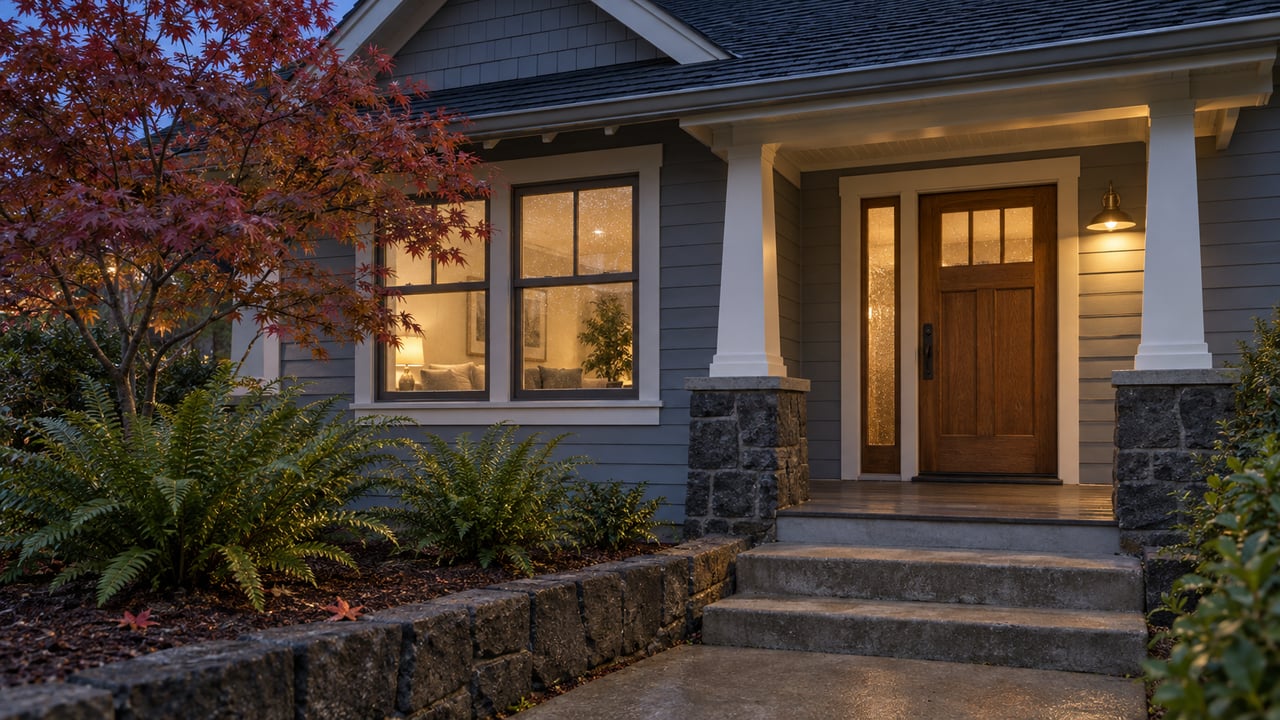
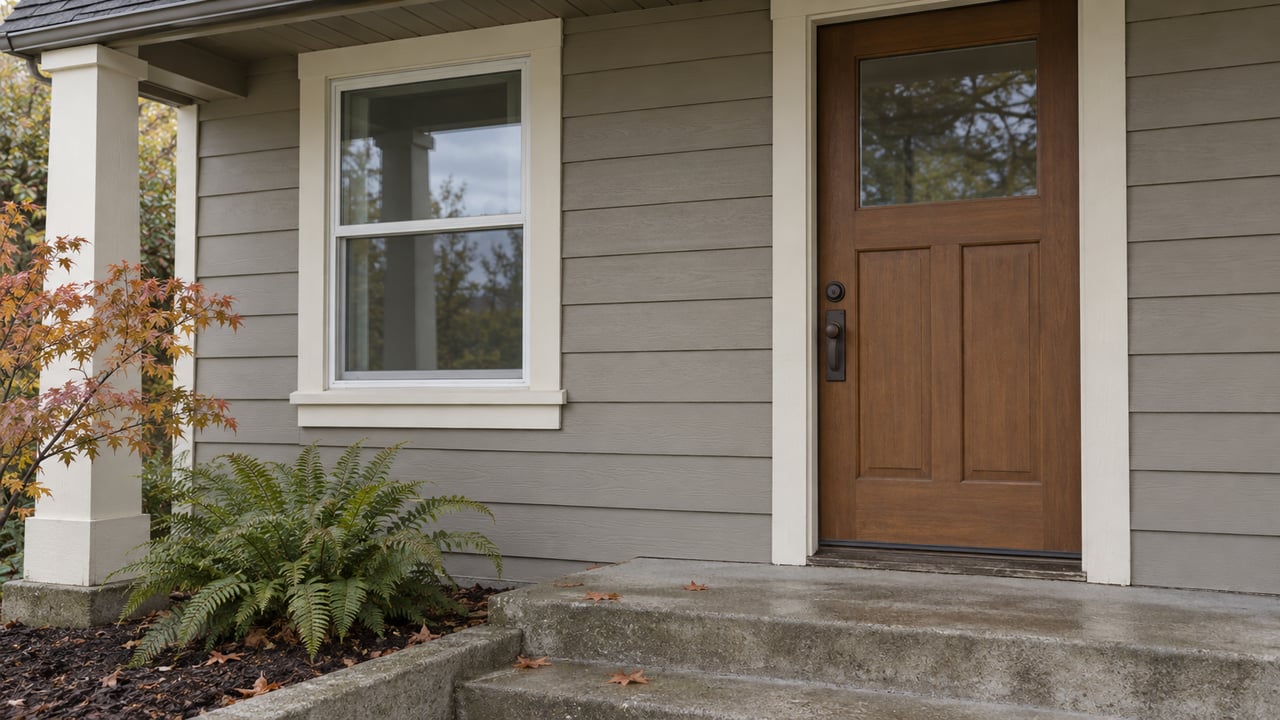
North Tacoma is known for walkable blocks and historic character. You will find Craftsman and bungalow-style homes from the early 1900s, mid-century houses, plus condos and small apartment buildings near commercial corridors. Lots are often smaller, which supports walkability to cafes, parks, and services. Some areas fall under historic or character-preservation rules that can influence renovations.
What to expect:
- A wider mix of housing types, including condos and older single-family homes with period details.
- Smaller lots near neighborhood retail districts and parks.
- More rentals mixed with owner-occupied housing in some pockets.
Cost of living and taxes
Housing cost is the biggest lever in your overall budget. Waterfront in Gig Harbor can raise purchase price and insurance complexity. In North Tacoma, the walkable urban setting and historic homes can carry their own premiums, but condos or smaller houses may offer entry points.
Property taxes are set by multiple districts and vary by parcel. For accurate comparisons, review the exact property you have in mind using the Pierce County Assessor & GIS parcel tools. Also factor in:
- HOA dues, especially for newer subdivisions or condo buildings.
- Insurance needs for waterfront or older homes.
- Commute costs, including the eastbound Tacoma Narrows Bridge toll for Gig Harbor drivers.
Commute and transit access
If you commute, test your typical route at peak hours. Gig Harbor connects to Tacoma and I-5 via WA-16 across the Narrows. North Tacoma sits closer to central Tacoma and I-5, which can shorten trips to downtown Tacoma, the Port, or regional freeways.
Transit coverage differs. North Tacoma usually has denser bus options and closer access to transit hubs. You can review routes and park-and-ride options with Pierce Transit and explore regional connections with Sound Transit. Gig Harbor has service, but many residents rely on cars for daily errands. If you work in Seattle or Olympia, proximity to I-5 from North Tacoma may save time.
Schools and education options
School boundaries matter. Addresses in Gig Harbor are typically served by the local Gig Harbor-area schools; North Tacoma is served by Tacoma Public Schools. Performance can vary school by school. For the most accurate view, check address-based assignments and metrics on the Washington OSPI school report cards. You can also explore private school options in or near both areas.
Neutral guidance for families:
- Confirm assigned schools by entering the exact address.
- Compare graduation rates, test score contexts, and program offerings.
- Ask about enrollment capacity and any proposed boundary changes.
Safety, services, and perception
City-level data shows Tacoma’s overall crime rates have historically been higher than suburban Gig Harbor on many measures. At the same time, neighborhood variation is real. Many North Tacoma blocks near parks and business districts report lower crime than other parts of the city. Always review multi-year trends rather than a single snapshot.
Where to look:
- For Tacoma trends and maps, use the Tacoma Police Department crime information.
- For city-level trends and comparisons, review the FBI Crime Data Explorer.
Public services in both communities include parks, libraries, code enforcement, and local permitting. Healthcare is accessible across the region, with major hospitals and urgent care options in Tacoma and nearby.
Recreation, dining, and culture
Outdoor access is superb in both places, just in different flavors.
Gig Harbor highlights:
- A picturesque waterfront, marina culture, and kayaking or paddleboarding close to home.
- Year-round events and boutique shops in the historic downtown core, detailed on the City of Gig Harbor website.
North Tacoma highlights:
- Point Defiance Park, Owen Beach, and nearby trails for quick nature breaks and family time.
- Distinct neighborhoods like Proctor and Old Town with cafes, restaurants, and small shops. Explore city parks and arts resources through the City of Tacoma site.
Walkability and bikeability tend to be stronger in North Tacoma’s core neighborhoods, especially near Proctor and Stadium. Gig Harbor’s downtown is walkable, but most errands elsewhere require a car. For a property-by-property snapshot, check neighborhood walkability on Walk Score.
Environmental and permitting considerations
Shoreline and older-home rules can affect your plans. If you are considering waterfront or view properties in Gig Harbor, verify whether the lot is within a shoreline jurisdiction, flood zone, or critical area. Renovations, docks, and bulkheads can require extra permits.
Start with these tools:
- Flood and shoreline risk: FEMA Flood Map Service Center.
- Shoreline rules and guidance: Washington Department of Ecology.
- Parcel zoning and records: Pierce County Assessor & GIS.
In North Tacoma, older homes sometimes involve electrical, plumbing, or foundation updates. Some areas may have historic or character-preservation guidelines that shape exterior changes. Ask for permits and contractor records when you tour.
Which lifestyle fits you?
Here is a simple way to think about each area.
Gig Harbor: suburban waterfront small town
- Best if you want a quieter pace, larger lots, and easy boating or marina access.
- Tradeoffs include longer commutes to Seattle-Tacoma job centers and more car-dependent errands.
- Expect potential premiums and permitting details for waterfront or water-view properties.
North Tacoma: walkable urban neighborhoods with historic character
- Best if you want cafes, restaurants, parks, and museums close by, plus shorter drives to downtown Tacoma and I-5.
- Tradeoffs include smaller lots, more varied housing on a block-by-block basis, and older home systems in some properties.
- Expect a mix of condos and single-family options within a short walk of amenities.
How to choose: a quick decision checklist
Use this list to compare your top two or three homes across both areas.
- Commute test: Drive or time your route at peak hours on two different weekdays.
- Parcel and taxes: Pull the parcel on the Pierce County Assessor & GIS to confirm taxes, levies, and boundaries.
- Schools: Enter the address into the OSPI report cards lookup to confirm assignments and review metrics.
- Risk review: Check the FEMA Flood Map Service Center for flood zones and consult Ecology shoreline rules if near water.
- Home systems: For older homes, budget for potential updates to roofs, plumbing, electrical, and windows.
- HOA and rules: If a condo or newer subdivision, review HOA fees, reserves, and rules before you write an offer.
- Walkability: Use Walk Score to compare car-free errands near each property.
If you want a local sounding board, we are here to help you weigh tradeoffs and find the right fit.
Ready to explore homes in Gig Harbor or North Tacoma? Let’s talk through your wish list, map your commute, and preview neighborhoods together. Reach out to The Network to schedule a free consultation.
FAQs
What is the main lifestyle difference between Gig Harbor and North Tacoma?
- Gig Harbor feels like a quieter, suburban waterfront city with larger lots and marina culture, while North Tacoma offers walkable, in-city neighborhoods near parks, dining, and cultural amenities.
How do commutes compare from Gig Harbor vs North Tacoma?
- Gig Harbor commuters cross the Tacoma Narrows Bridge to reach Tacoma and I-5, while North Tacoma residents are closer to I-5 and downtown, often saving time for regional trips.
Where can I verify school assignments for a specific address?
- Use the Washington OSPI school report cards and your local district’s boundary tools to confirm assigned schools and review performance metrics.
How do I check property taxes and levies for a home?
- Look up the parcel on the Pierce County Assessor & GIS site to view the tax history, current levies, and district breakdown.
Is waterfront in Gig Harbor in a flood zone?
- Some waterfront or near-shore properties may be in FEMA-designated flood zones; confirm the lot on the FEMA Flood Map Service Center and review shoreline rules via the Washington Department of Ecology.
How can I see recent crime trends for North Tacoma?
- Review multi-year city and neighborhood trends using the Tacoma Police Department crime information alongside city-level data from the FBI Crime Data Explorer.