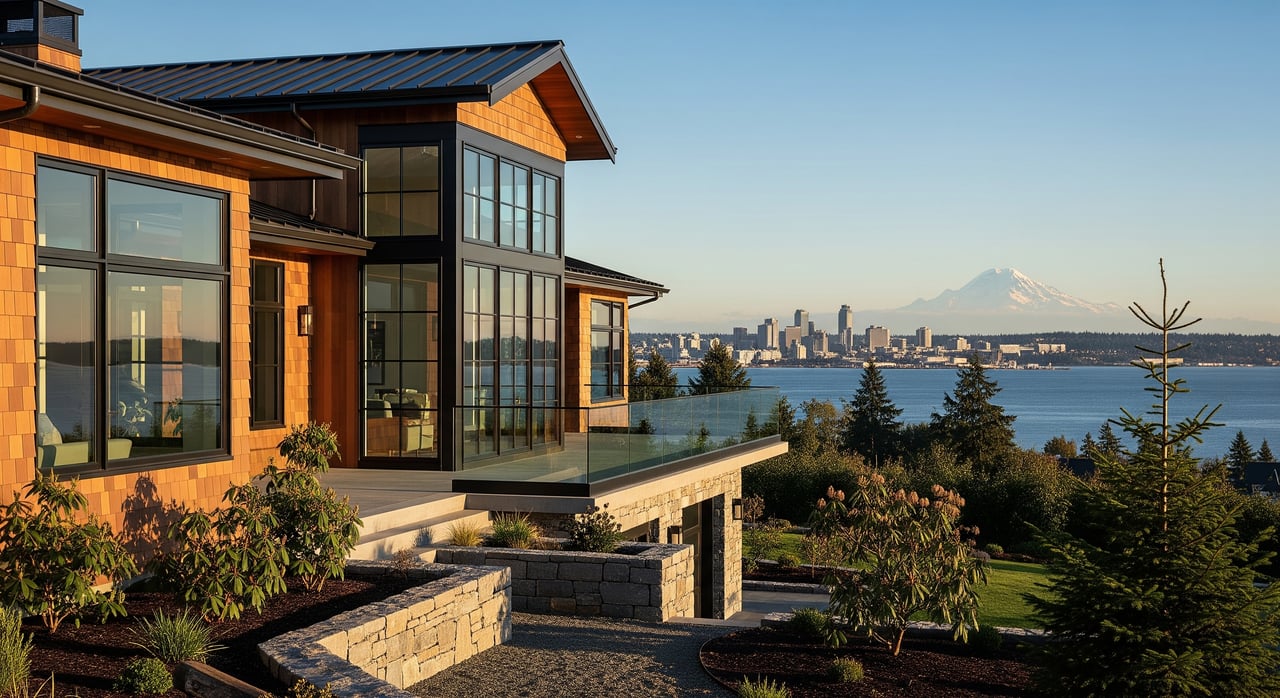
How much is that sunrise over Commencement Bay really worth to a buyer? If you own or want to purchase a view home in Northeast Tacoma, you know the view feels priceless. Appraisers see it differently. They measure how the market pays for that view and document the evidence. In this guide, you’ll learn how appraisers value view homes here, what factors matter most, and what you can do to support the value. Let’s dive in.
How appraisers set value
Appraisers in Washington must be state licensed and follow the Uniform Standards of Professional Appraisal Practice. When a loan is involved, they also meet lender requirements that mirror national guidance. That framework keeps the process consistent and evidence based.
For single-family view homes, the Sales Comparison Approach is the primary method. The appraiser compares your property to recent nearby sales and makes adjustments for differences like size, condition, lot, and view. The Cost Approach is usually secondary for typical homes, and the Income Approach applies mostly to income-producing properties.
What makes a view valuable
Appraisers treat a view like any other market attribute. It adds value only if buyers in the local market consistently pay more for it. In Northeast Tacoma, the following view characteristics usually matter most:
- Type and direction. Water and mountain views tend to command higher premiums than distant city views. Unobstructed panoramas outrank partial or filtered views.
- Quality and intensity. Clean sightlines across near, mid, and far distances feel stronger than a small “spot” view. Seasonal changes also matter if trees block the view in summer.
- Permanence and risk. Views backed by water, protected open space, or topography feel more secure than those at risk from new construction or tree growth. Higher permanence usually increases contributory value.
- Privacy and noise trade-offs. If a view comes with heavy traffic or noise, the net benefit could be reduced.
- Functional integration. Homes that aim daily living toward the view with large windows, decks, and smart floor plans typically realize a larger market premium.
- Physical and legal context. Setbacks, topography, zoning height limits, and recorded view or conservation easements can improve the reliability of a view.
How view premiums are measured
Appraisers estimate the view’s contribution using market data from comparable sales. Two techniques are common:
- Matched-pair analysis. The appraiser compares two very similar homes where the key difference is the view. The price gap helps isolate the view’s contribution.
- Comparable sales with adjustments. When perfect pairs are scarce, the appraiser uses several comps and applies supported dollar or percentage adjustments to account for the view difference.
There is no universal percentage for a view premium. In some markets, premiums may range from low single digits to double digits for exceptional, permanent panoramas. Your appraiser must justify any adjustment with local sales evidence and explain the method in the report.
Northeast Tacoma market factors
Northeast Tacoma sits on hills and bluffs that look toward Commencement Bay, Puget Sound, Mount Rainier, and the Olympic Mountains. That geography creates micro-markets where views are scarce and highly sought after. Scarcity supports premiums, especially when supply is thin.
Market conditions influence the size of the premium. In a competitive market with rising prices and low inventory, buyers often stretch more for a view. In slower periods, the premium can soften. Appraisers reflect the current market rather than a long-term average, so timing matters.
Permanence is key here. Infill construction, tree growth, and changes on adjacent parcels can alter sightlines. Local zoning, shoreline rules, and tree regulations affect what is possible on neighboring properties. If a view is well protected by topography, water, open space, or recorded easements, the appraiser can assign more weight to its staying power.
What appraisers document
Appraisers support their conclusions with evidence. You can expect to see:
- Photos from primary living areas that show the view and any potential obstructions.
- Comparable sales data highlighting view features and the sale dates and prices.
- Maps, parcel information, and notes about zoning or height limits relevant to permanence.
- A clear explanation of any view adjustment and how it was measured.
For sellers: maximize and prove value
You want buyers and the appraiser to see what makes your view special and durable. A few focused steps go a long way:
- Gather recent nearby sales with similar views. If you have reliable comps, share them with your agent and the appraiser.
- Prepare high-quality photos at different times of day that show the view from living spaces and decks. Include where the sun rises or sets.
- Document any protections. Provide recorded view easements, conservation easements, or neighborhood rules that protect sightlines.
- Maintain sightlines legally. If trimming is needed, follow City of Tacoma and Pierce County rules and obtain permits when required.
- Showcase functional integration. Stage and photograph spaces that face the view so the utility is obvious.
- Consider a pre-listing appraisal to understand how the current market is pricing your view.
- If you plan pre-sale updates, explore concierge-style preparation to present the home at its best and make the view the star.
For buyers: verify value and risk
If the view is a major reason you want the home, make sure it’s durable and supported by sales evidence.
- Ask for recent sales of similar view homes and compare prices to nearby non-view sales.
- Check permanence. Review adjacent parcel zoning, likely development patterns, and tree growth that could affect the view.
- If the view is essential, consider negotiating protections such as a recorded view easement or neighbor agreements.
- If you are financing, remember the appraisal must support the premium. Be ready to share market evidence with your lender and the appraiser.
Working with the appraiser
Your goal is to provide useful information without steering the outcome.
- Share a concise packet with view photos, any recorded protections, and recent sales that closely match your property.
- Offer access at the right times of day if the view shows best at sunrise or sunset.
- Answer questions promptly, and avoid pushing for a target number. The strongest appraisals are built on credible market data.
If the value comes in low
Sometimes an appraisal lands below expectations, especially when matched-pair sales are limited.
- Review the report calmly and look for missed comps with similar views.
- Prepare a factual rebuttal that highlights recent, relevant sales and clear differences in view quality or permanence.
- Ask your lender about a desk review or reconsideration process and submit your evidence promptly.
Get local guidance
View value is hyper-local in Northeast Tacoma, and it changes with market conditions. Whether you are pricing a listing or evaluating a purchase, you will benefit from a clear plan, strong sales evidence, and expert eyes on permanence and risk. If you want help gathering comps, surfacing matched pairs, and presenting your view with confidence, connect with The Network. We combine neighborhood expertise with client-first service to help you win in the South Sound market.
FAQs
How do appraisers value a view in Northeast Tacoma?
- They use the Sales Comparison Approach, comparing recent local sales and making supported adjustments for the type, quality, and permanence of the view.
What types of views usually add the most value?
- Unobstructed water and mountain panoramas typically command higher premiums than distant city or partial views, assuming buyers in the area consistently pay more for them.
How do appraisers measure the view’s contribution to price?
- They rely on matched-pair comparisons or multiple comps with documented adjustments, supported by local sales evidence rather than a fixed formula.
Does a view easement help my home’s appraised value?
- A recorded view or conservation easement can increase the appraiser’s confidence in permanence, which often supports a stronger view contribution.
What if a neighbor’s future project could block my view?
- Appraisers typically reduce the view’s contribution when there is a clear risk of obstruction; you should research zoning and permit activity on nearby parcels.
Why might my appraisal give little credit for the view?
- If there are few recent comps showing buyers paid more for similar views, or the view is partial, noisy, or easily obstructed, the adjustment may be small or limited.