If you want a Seattle neighborhood where daily life can happen on foot, Capitol Hill is hard to ignore. This is a place where housing, transit, parks, and culture all overlap in a compact area, which can make your day feel easier and a lot more connected. If you are thinking about buying here, this guide will help you understand what living in Capitol Hill actually looks like, what homes tend to cost, and how to decide if the neighborhood fits your lifestyle. Let’s dive in.
Why Capitol Hill Stands Out
Capitol Hill sits just east of Interstate 5 and next to Downtown Seattle and South Lake Union. The City of Seattle describes the broader First Hill and Capitol Hill area as a center for urban living, nightlife, and major institutions, with many residents able to walk, bike, or take transit to work and daily errands.
That urban setup shapes almost everything about the neighborhood. King County describes Capitol Hill as dense and full of shops, restaurants, bars, parks, and cultural venues, so living here often means being close to activity rather than tucked away from it.
The neighborhood also has a long connection to Seattle’s LGBTQIA+ community, which the city identifies as an important part of Capitol Hill’s identity. Seattle’s neighborhood snapshot also shows a renter-heavy, highly educated population, with 76.9% renter households and 75.4% of residents holding a bachelor’s degree or higher.
Capitol Hill Housing Types
Condos and apartments
If you picture Capitol Hill as a condo- and apartment-heavy neighborhood, the data supports that. The high share of renter households, combined with the neighborhood’s urban form, points to a housing mix built around multifamily living rather than large-lot suburban homes.
For many buyers, condos are the most direct entry point into the neighborhood. They tend to fit buyers who want lower-maintenance living and easy access to transit, nightlife, and parks.
Townhomes and newer infill
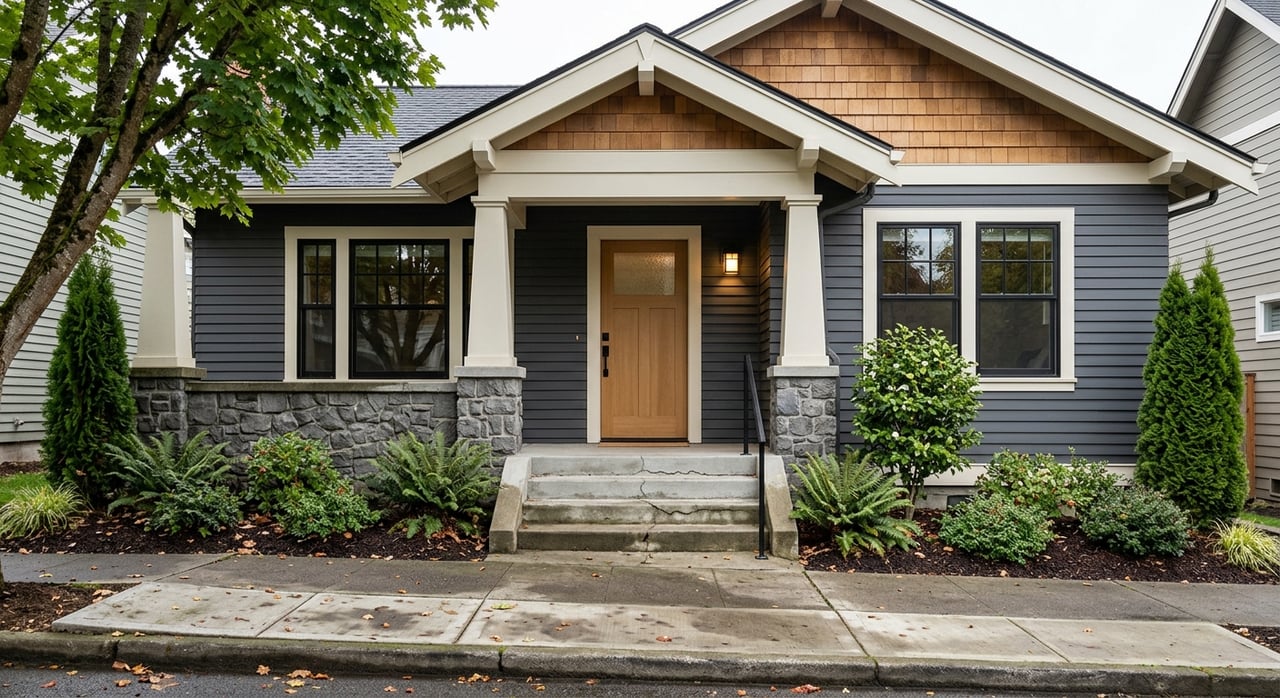
Capitol Hill also offers a growing supply of townhomes and newer infill homes. According to the King County assessor, most townhouses in the area were built after 2010, and recent teardown and rebuild activity has added new townhouses and modern single-family homes.
These homes often appeal to buyers who want more space than a condo without taking on the upkeep of a much older house. They can be a practical middle ground if you want a more private layout but still want to stay in an urban, connected neighborhood.
Historic homes
Historic housing is a big part of Capitol Hill’s character. The city’s design guidelines note that the neighborhood includes finely scaled houses, duplexes, and small apartment buildings, especially in the East Core between Broadway and 15th Avenue East.
The Harvard-Belmont Landmark District is one of the clearest examples of that historic appeal. The city describes it as a well-preserved residential area with fine early-20th-century homes, and exterior changes visible from the public right-of-way require a Certificate of Approval.
If you are drawn to architecture and neighborhood character, these homes can be especially appealing. At the same time, they may come with higher price points, older systems, and added design review requirements.
What Homes Cost in Capitol Hill
Capitol Hill is consistently in Seattle’s higher-cost range, but the exact number depends on what metric you are using and when the data was reported. Redfin’s March 2026 report showed a median sale price of $950,000 and median days on market of 59.
Realtor.com’s April 2026 neighborhood summary reported a median listing price of $799,925, a median sold price of $1,255,000, and a median rent of $2,650 per month. A separate December 2025 snapshot showed a median home price of $795,000 and median rent of $3,195, which shows how much pricing can shift by period and method.
At a smaller area level, the King County assessor report gives a clearer picture of how wide the range can be. Average time-adjusted sales prices were about $948,000 in a townhouse-heavy area north of East Madison, about $1.514 million in Harvard-Belmont, about $2.014 million east of Volunteer Park, and about $2.593 million along Federal Avenue.
For you as a buyer, that means Capitol Hill is not one single price point. In general, condos and smaller townhomes are often the more accessible options, newer townhomes and renovated homes sit in the middle, and preserved historic homes or view properties tend to be at the top end.
How Micro-Areas Change the Feel
Broadway and Pike/Pine core
If you want the most urban version of Capitol Hill, this is often where buyers start. The city identifies Broadway as a corridor with high pedestrian volumes and bus service, and the Pike/Pine area is part of Seattle’s official Capitol Hill Arts District.
Living near this core usually means easy access to restaurants, bars, arts venues, everyday errands, and transit. It can be a strong fit if convenience and energy matter more to you than lot size, parking ease, or quiet streets.
Harvard-Belmont and Volunteer Park area
If you are looking for historic character, these blocks often stand out. The Harvard-Belmont Landmark District and the areas near Volunteer Park are known for early-20th-century homes and a more established residential feel.
These areas can appeal to buyers who care deeply about architecture, mature streetscapes, and long-term character. They also tend to come with higher prices and, in some cases, preservation-related rules for exterior changes.
South Capitol Hill and infill pockets
Other parts of Capitol Hill offer a different balance. The assessor notes that parts of southern Capitol Hill were upzoned from single-family to multi-family in 2019, and newer development has brought more townhomes and modern homes into the mix.
If you want a newer home with lower maintenance, these pockets may be worth a closer look. They can offer a more contemporary housing option while keeping you close to the neighborhood’s core amenities.
Transit and Car-Light Living
One of Capitol Hill’s biggest advantages is how easy it can be to get around without relying on a car every day. Sound Transit’s Capitol Hill Station is part of the Link light rail network, and the Seattle Streetcar First Hill Line connects Capitol Hill with First Hill, Yesler Terrace, the Central Area, Chinatown-International District, and Pioneer Square across 10 stops over 2.5 miles.
The city’s planning materials also point to strong pedestrian activity and bus service on Broadway. For many residents, that supports a car-light lifestyle where you can walk for errands, use transit for commuting, and save driving for weekend trips or regional travel.
That does not mean every block feels equally easy for driving or parking. Seattle notes that topography, commercial influences, and traffic noise affect some parts of the area, so your block choice can make a real difference in daily comfort.
Parks and Green Space
Capitol Hill’s urban feel is balanced by several well-used parks and open spaces. Cal Anderson Park is one of the neighborhood’s central gathering places, with a fountain, reflecting pool, paths, children’s play area, wading pool, and a lighted sports field.
Volunteer Park offers a different experience, with the Volunteer Park Conservatory, Seattle Asian Art Museum, gardens, trails, tennis courts, and outdoor event space. If you want a classic Seattle park setting, this is one of the neighborhood’s most notable assets.
There are also smaller and more varied green spaces nearby. Interlaken Park provides wooded trails on the north end of Capitol Hill, Louisa Boren Park offers a scenic viewpoint over Lake Washington and the Cascades, and Miller Playfield and Miller Community Center add sports and recreation space.
Food, Arts, and Everyday Routine
Capitol Hill is not just a place you sleep between workdays. It is a neighborhood where food, arts, and public life are woven into your routine.
The Capitol Hill Arts District was Seattle’s first official arts district, and the city says Pike/Pine is the densest arts neighborhood in Washington, with more than 40 arts and cultural organizations. That helps explain why the neighborhood feels so active and why older buildings, small venues, and adaptive reuse remain an important part of its identity.
For day-to-day rhythm, the Capitol Hill Farmers Market is a useful example. It runs Sundays year-round and Tuesdays from June through September at E Barbara Bailey Way between Broadway and 10th Avenue East, right next to the light rail station.
That kind of setup matters when you are choosing where to live. It shows how Capitol Hill combines urban density with walkable routines, public gathering places, and access to fresh food and local activity.
Tradeoffs to Know Before You Buy
Capitol Hill can be an excellent fit, but it is important to go in with clear expectations. The same features that make the neighborhood exciting also create real tradeoffs.
Common considerations include:
- Higher housing costs than many other Seattle neighborhoods
- Smaller lots and limited detached-home inventory
- Parking and traffic challenges on some blocks
- Noise near busy corridors and nightlife areas
- Older housing stock that may need updates or ongoing maintenance
- Block-by-block differences in topography and street feel
If you are relocating, these details matter just as much as the headline price. A condo near Broadway may deliver the transit access and energy you want, while a historic home near Volunteer Park may offer more character and a quieter residential setting.
Who Capitol Hill Fits Best
Capitol Hill often works best for buyers who want city living with a strong sense of place. If you value walkability, transit access, parks, dining, and culture in a compact area, the neighborhood checks a lot of boxes.
It can be especially appealing if you are relocating to Seattle and want to plug into daily life quickly. You may find it easier to build routines here because so much of what you need is close together, from transit and groceries to coffee shops, parks, and weekend activities.
The bigger question is usually not whether Capitol Hill is attractive. It is whether your preferred version of city living matches the block, housing type, and price point you choose.
Making a Smart Move in Capitol Hill
If you are considering Capitol Hill, it helps to narrow your search around three questions:
- Do you want the most walkable and active location, or a quieter residential pocket?
- Are you prioritizing low maintenance, more space, or historic character?
- What tradeoffs around parking, noise, and price feel manageable to you?
Those answers can quickly point you toward the right micro-area and home type. In a neighborhood with this much variety, a focused plan usually leads to a better outcome than a broad search.
If you want help comparing Capitol Hill housing options, planning a Seattle-area relocation, or figuring out which neighborhood fits your goals, The Network can help you make a clear, confident move.
FAQs
What is living in Capitol Hill Seattle like?
- Living in Capitol Hill usually means an urban, walkable lifestyle with close access to restaurants, parks, arts venues, and transit, especially near Broadway and Pike/Pine.
What types of homes are common in Capitol Hill Seattle?
- Capitol Hill includes many condos and apartments, along with newer townhomes, duplexes, small apartment buildings, and a smaller supply of historic single-family homes.
How expensive are homes in Capitol Hill Seattle?
- Recent reports place Capitol Hill in Seattle’s higher-cost tier, with neighborhood-wide median price measures ranging from about $795,000 to $1,255,000 depending on the source, timing, and metric.
Is Capitol Hill Seattle good for car-free living?
- Capitol Hill is one of Seattle’s stronger neighborhoods for car-light living because of Link light rail access, the First Hill Streetcar, bus service, and high walkability on major corridors.
What parks are in and near Capitol Hill Seattle?
- Key parks and recreation spaces include Cal Anderson Park, Volunteer Park, Interlaken Park, Louisa Boren Park, and Miller Playfield with the adjacent Miller Community Center.
Who should consider buying a home in Capitol Hill Seattle?
- Capitol Hill can be a strong fit if you want an active urban neighborhood with transit, dining, culture, and parks nearby, and you are comfortable with higher costs, smaller lots, and block-by-block differences in noise and parking.