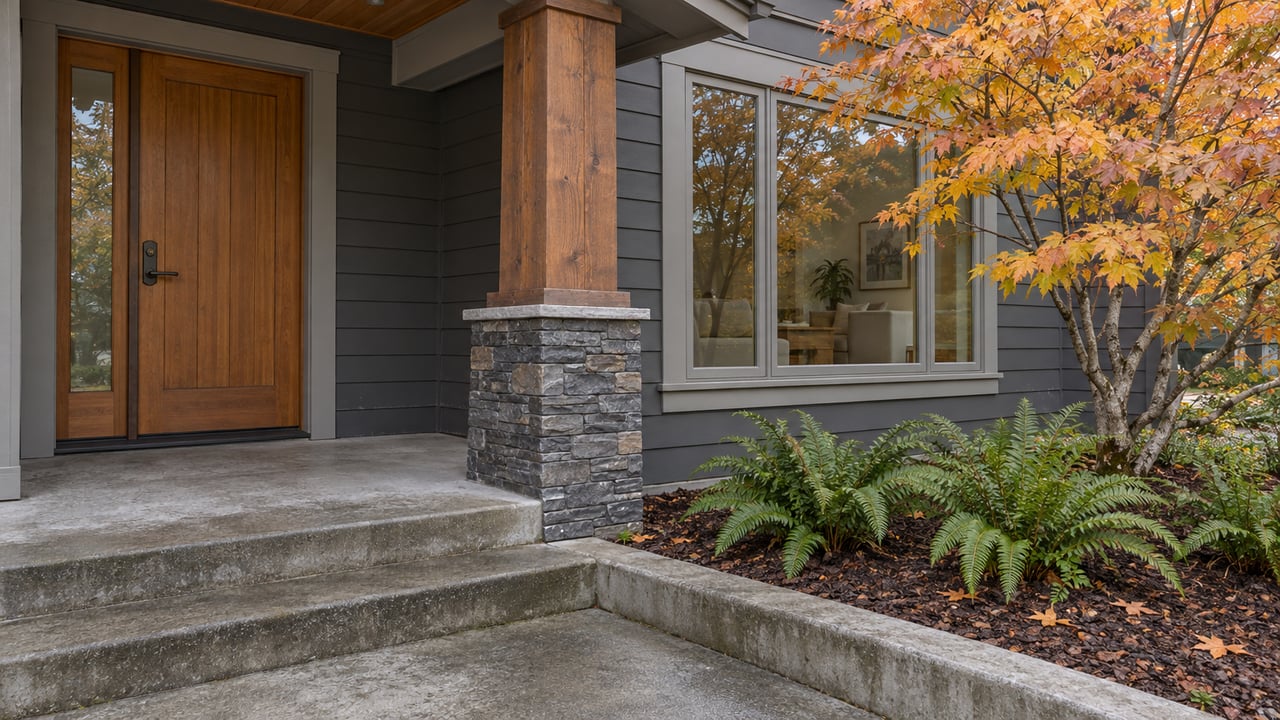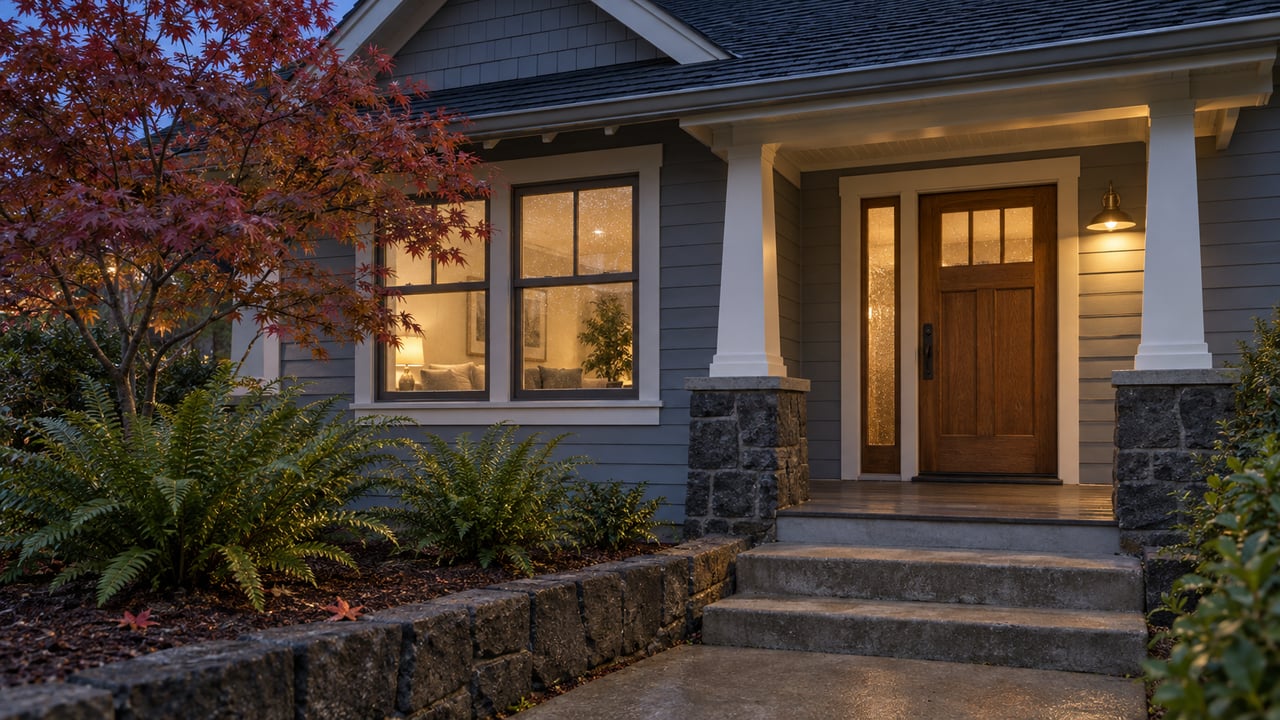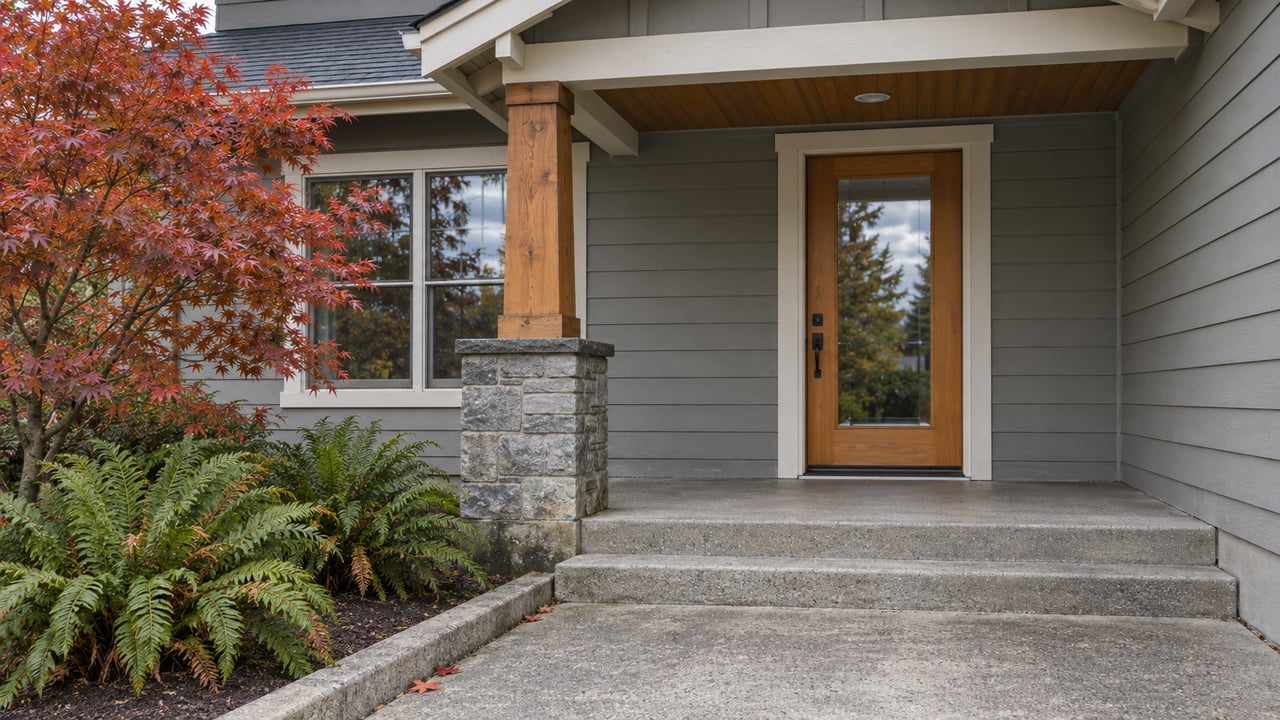
If you love clean lines, big windows, and houses that feel connected to the landscape, Tacoma offers more than a few promising places to look. The challenge is knowing where mid-century homes are most likely to show up, and which neighborhoods match the kind of design details you care about most. This guide walks you through the strongest Tacoma and nearby Lakewood areas for mid-century buyers, what defines this style in the South Sound, and how to search with a sharper eye. Let’s dive in.
What Mid-Century Means Here
For most buyers, mid-century modern covers the period from roughly 1933 to 1965, but the label only tells part of the story. According to DOCOMOMO US, the bigger clues are often the floor plan and how the house relates to the site.
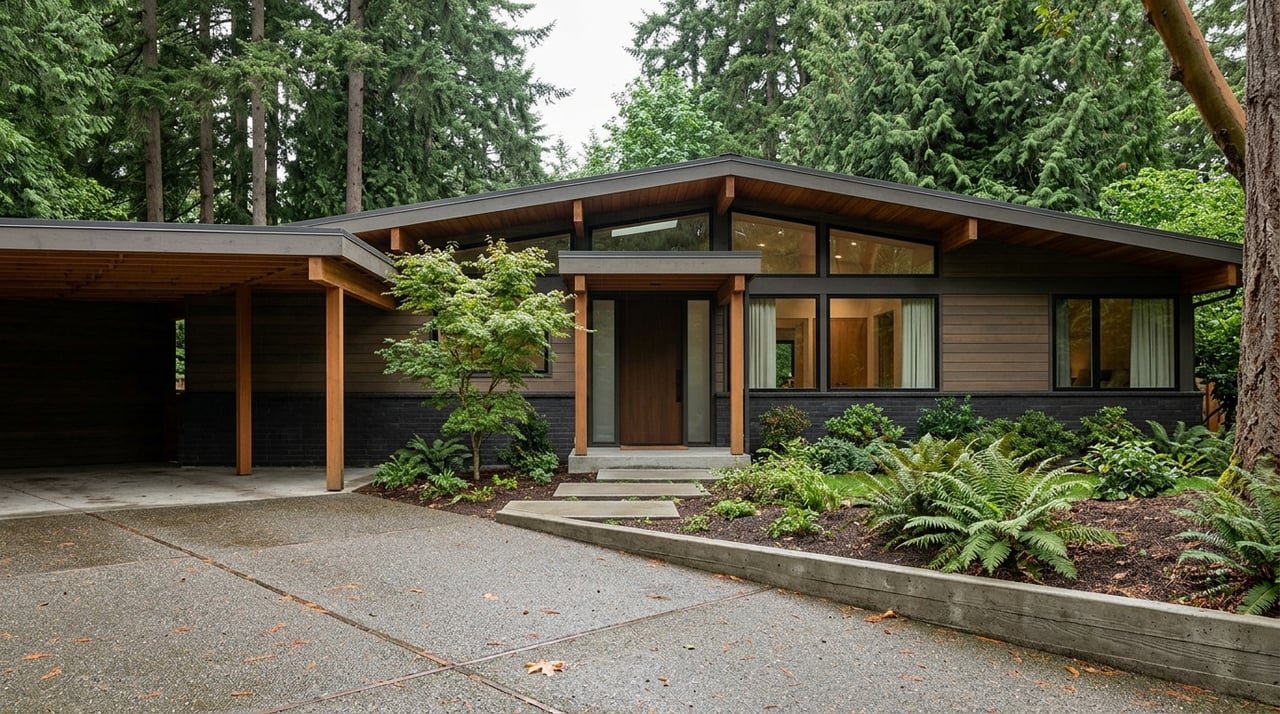
That means you may want to look beyond listing buzzwords and focus on features like open or partially open living areas, large picture windows, sliding glass doors, built-ins, and fewer formal spaces. In the South Sound, that relationship between house and land matters even more because slopes, trees, views, and lot shape often influence how a home was designed, as noted in National Park Service documentation on mid-century subdivision design.
Why Tacoma Is Good for Design Buyers
Tacoma’s planning documents point to several areas where post-war and mid-century housing patterns are common. In the city’s Comprehensive Plan, Pattern Area 5: Mid-Century Expansion highlights residential areas where mid-century homes are fairly common, while Pattern Area 1: Post-War Slopes describes neighborhoods shaped by views, curving streets, and hillside conditions.
That matters if you are searching for more than a single lucky find. Instead of chasing isolated listings, you can focus on neighborhoods where the city already identifies a concentration of post-war housing forms and development patterns.
South Tacoma Mid-Century Options
If you want one of the broadest pools of classic post-war homes, South Tacoma is one of the clearest places to start. The city’s South Tacoma Neighborhood Plan notes that the South Tacoma Way mixed-use center reflects a historic streetcar pattern, while surrounding residential areas shift toward larger lots and more auto-oriented development.
For design-minded buyers, that contrast can be appealing. You get a district where older commercial streetscape patterns sit near residential areas that better reflect the post-war period, which can make your search feel more focused and visually interesting.
What to look for in South Tacoma
As you review listings, keep an eye out for:
- Single-level ranch homes
- Attached garages or carports
- Picture windows
- Sliding glass doors
- Larger lots compared with older grid neighborhoods
- Layouts with fewer formal rooms and better indoor-outdoor flow
These traits line up with the features the National Park Service highlights in 1950s ranch-house research.
Eastside Homes With Post-War Roots
Along with South Tacoma, the Eastside is another strong Tacoma-area search zone. The Home in Tacoma environmental review, cited in the city’s planning materials, identifies Eastside and South Tacoma as areas shaped during the wartime and post-war period, with mid-century residential forms and longer, more auto-oriented street patterns.
For you, that means the Eastside can offer the kind of neighborhood fabric that often supports a deeper inventory of practical mid-century housing. Even when a home has been updated over time, the original bones may still reflect the era through layout, garage placement, and lot pattern.
Why Eastside is worth a close search
The Eastside is especially useful if you are open to homes that may not be textbook mid-century modern from the curb but still carry strong post-war design DNA. A remodeled ranch, split-level, or daylight basement home may still offer the light, flow, and simplicity that design buyers want.
West Slope and Narrowmoor Views
If your ideal mid-century home includes a stronger connection to views and topography, West Slope and Narrowmoor deserve serious attention. Tacoma planning documents describe Narrowmoor as a neighborhood established through plats beginning in 1941, with most lots developed by the mid-1960s.
According to Tacoma’s West Slope and Narrowmoor planning assessment, the area includes terraced siting, daylight basements on the west side, simple rectangular or L-shaped house forms, and relatively low-pitched roofs. It also sits within a view-sensitive overlay system intended to preserve views and limit building height.
What makes West Slope special
For design lovers, this area stands out because the setting helps explain the architecture. Homes often respond directly to slope, outlook, and light, which is a core part of what makes many mid-century houses feel so intentional.
Instead of seeing the house as a stand-alone object, you often see the design working with the site. That can show up through terracing, lower levels that open differently on the downhill side, and floor plans organized around natural light or view corridors.
Lakewood Neighborhoods to Add
If your search can extend beyond Tacoma proper, nearby Lakewood offers some of the most clearly documented mid-century neighborhoods in the South Sound. The city describes Lakewood’s development from prairie landscape into a suburban residential city during the 1930s through 1960s in its history and historic preservation overview.
That history helps explain why some Lakewood neighborhoods feel greener, more open, and more subdivision-oriented than many Tacoma blocks. For some buyers, that setting is a major plus.
Oak Park for earlier mid-century homes
Oak Park is one of the clearest Lakewood examples. City survey material says the neighborhood was platted in 1944 and built in phases between 1944 and 1955. The city also describes it as typical of mid-20th-century residential development, with a curvilinear layout and examples of Minimal Traditional and Modern architecture from the 1940s and 1950s, according to Lakewood’s council agenda survey materials.
If you appreciate documented neighborhood context, Oak Park is especially appealing because Lakewood completed a reconnaissance-level survey of more than 100 homes there. That gives buyers a stronger factual foundation when evaluating the area’s architectural character.
Oakbrook for later mid-century style
If you are drawn to later mid-century subdivisions, Oakbrook is another smart place to watch. Lakewood states that the Oakbrook Shopping Center was built in 1960, and its background materials say the Oakbrook Addition subdivision began in 1964, based on the city’s historic preservation background information.
Oakbrook can be a good fit if you want the feel of a distinct subdivision rather than a mixed urban pattern. That later timeline may also line up well with buyers looking for larger footprints or more clearly late-mid-century residential planning.
How to Search Smarter
A design-focused search works best when you look beyond style labels. Listings do not always use precise architectural terms, and many homes from this era have been updated, expanded, or partially reworked.
Here are a few smart ways to narrow your search.
Search by features
Use search terms like:
- Ranch
- Split-level
- Single-level
- Daylight basement
- Open plan
- Picture windows
- Sliding glass doors
- Carport
- Attached garage
These are the recurring physical traits highlighted in National Park Service guidance on identifying 1950s ranch-house interiors.
Use neighborhood patterns
The strongest strategy is often to search where planning documents already point to mid-century concentrations. In Tacoma, that includes South Tacoma, the Eastside, and West Slope or Narrowmoor. In Lakewood, Oak Park and Oakbrook are especially useful starting points.
Ask about alterations
Many mid-century homes have changed over time. The National Park Service notes that later alterations can affect how original floor plans read today, so it is worth asking about additions, remodels, and permit history when you find a home you like.
That step matters even more in slope and view areas, where changes can affect rooflines, daylight basement exposure, and sightlines. A house can still feel very mid-century, but the details deserve a closer look.
Let the lot tell part of the story
Topography and street layout are often as revealing as the house itself. Tacoma’s slope neighborhoods were intentionally view-oriented and terraced, while Lakewood’s best-documented mid-century areas often reflect larger subdivision planning patterns, as noted in Tacoma and Lakewood planning materials.
If a street curves, lots feel wider, garages are emphasized, and the house seems designed to open toward light or landscape, you may be in the right place.
Start With the Right Areas
For Tacoma-area design lovers, the best mid-century search is usually not about finding one random house with the right roofline. It is about starting in neighborhoods where post-war planning, lot patterns, and home forms already support the architecture you want.
That is where local guidance can save you time. If you want help narrowing your search in Tacoma, West Slope, South Tacoma, the Eastside, or nearby Lakewood neighborhoods like Oak Park and Oakbrook, The Network can help you build a smarter, more targeted plan.
FAQs
Which Tacoma neighborhoods are best for mid-century homes?
- Tacoma planning documents point most clearly to South Tacoma, the Eastside, and West Slope or Narrowmoor as strong areas to search for post-war and mid-century housing patterns.
What features should I look for in a Tacoma mid-century house?
- Look for ranch or split-level forms, open or partially open living areas, picture windows, sliding glass doors, built-ins, attached garages or carports, and a layout that connects well to the lot or landscape.
Is Lakewood a good place to search for mid-century homes near Tacoma?
- Yes. Lakewood’s Oak Park and Oakbrook neighborhoods are two of the clearest documented nearby areas for mid-century residential character and subdivision-era development.
Do remodeled Tacoma mid-century homes still count?
- Often, yes. Many homes from this era were altered over time, so it is smart to look at the floor plan, additions, permit history, and whether the home still reflects core mid-century design features.
Why does topography matter in Tacoma mid-century neighborhoods?
- In areas like West Slope and Narrowmoor, house design often responds directly to slope, views, and lot shape, which is a key part of how many mid-century homes were originally planned.