Trying to choose between a new build and a resale home in Ruston? It is a smart question, especially in a small waterfront city where lifestyle, maintenance, and ownership structure can vary a lot from one property to the next. If you want to make a confident move, it helps to look past the finish level and focus on how each option fits your daily life, monthly budget, and long-term plans. Let’s dive in.
Ruston offers two distinct paths
Ruston sits along Commencement Bay and is surrounded by Tacoma on three sides, giving it a unique mix of residential streets and waterfront access. The city highlights arts-and-crafts style homes and scenic views, while the shoreline area around Ruston Way and Point Ruston includes public recreation, restaurants, offices, and residential development.
That means your decision is usually not just about new versus old. In Ruston, it is often a choice between a more walkable, mixed-use waterfront setting and a more traditional detached-home setting on surrounding residential streets.
Why buyers choose new builds in Ruston
Newer condos and townhomes near the waterfront often attract buyers who want convenience and lower day-to-day upkeep. Many of these homes place you close to the Ruston Way waterfront, the Waterwalk, Dune Peninsula, and Point Defiance connections, which can make it easier to enjoy walking, shoreline access, and nearby amenities.
For some buyers, that lifestyle is the biggest advantage. You may get a more lock-and-leave setup, less immediate exterior maintenance, and easier access to public waterfront spaces than you would in many interior residential areas.
New build strengths to consider
If you are comparing newer construction, these benefits often stand out:
- Proximity to waterfront paths, parks, and public gathering spaces
- A more walkable mixed-use setting
- Lower immediate exterior maintenance for the owner
- A simpler day-to-day routine for buyers who want convenience
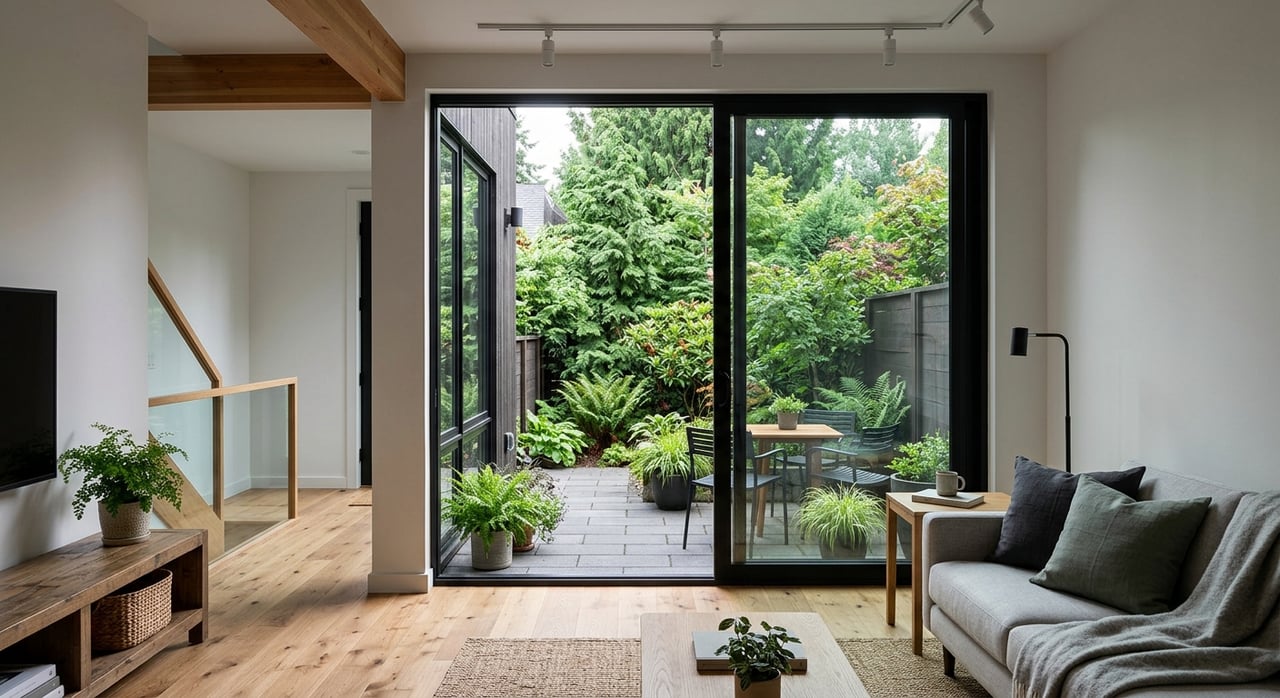
- Modern layouts and systems that may feel more turnkey
That said, the biggest strengths of a new build depend on the specific project documents, not just the location or finishes.
The tradeoffs with new condos and townhomes
The main tradeoff with many new-build options in Ruston is shared governance. If you buy into a condominium or another common-interest community, your ownership comes with governing documents, dues, and financial obligations that can affect both your monthly costs and your flexibility.
Under Washington law, a public offering statement and resale certificate can reveal important facts about the project, including assessments, special assessments, insurance, reserve-study status, legal actions, and binding rules. Those details matter because they shape what you are really buying beyond the unit itself.
Questions to ask on a new build
Before you move forward, ask questions like:
- Is the community a condominium, plat community, or another structure?
- Who maintains the roof, exterior, landscaping, and shared areas?
- What are the current monthly assessments?
- Are there any planned special assessments or major repairs?
- Is there a current reserve study, and when was the last visual inspection?
- Are there private roads or shared infrastructure the city does not maintain?
These answers can tell you a lot about your true monthly cost and future responsibilities.
Views matter more than many buyers expect
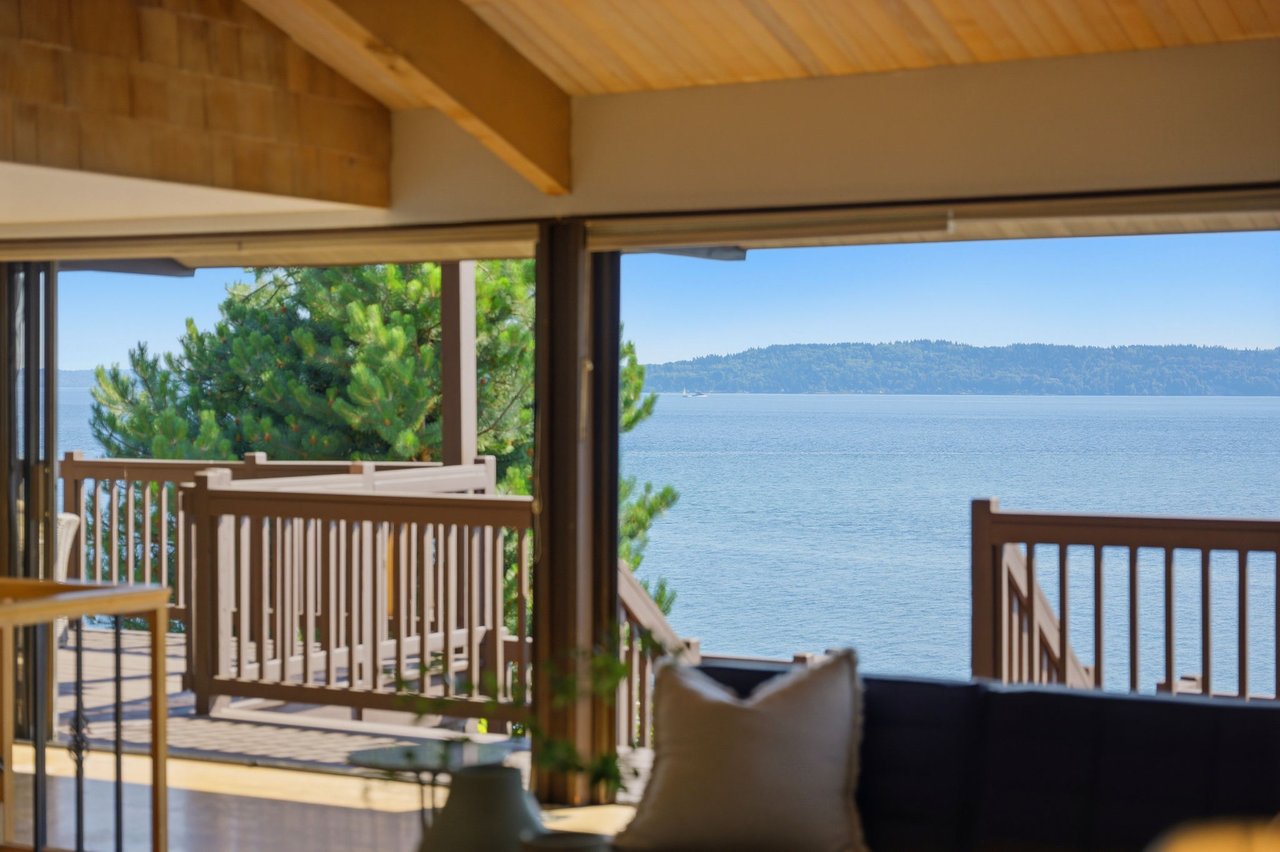
In Ruston, views can play a meaningful role in value. Tacoma’s waterfront planning documents note that bay views can add substantially to property value, so if you are paying a premium for a view, it is worth asking how protected that view really is.
This is especially important near phased waterfront development. A great current view may not tell the whole story if future phases or nearby changes could affect what you see from the home.
Why buyers choose resale homes in Ruston
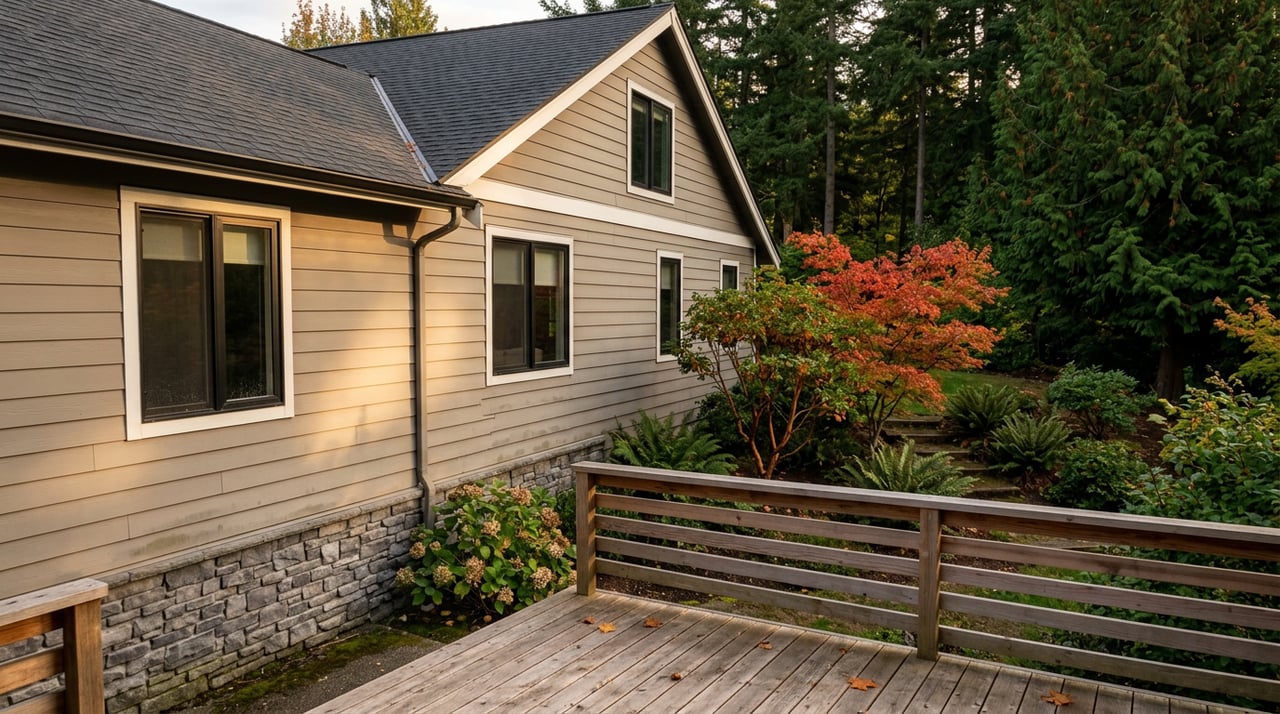
Established single-family homes in Ruston often appeal to buyers who want a more detached residential feel. These homes may offer more privacy, yard space, parking, and architectural character than many newer waterfront options.
That character is part of Ruston’s identity. The city describes its neighborhoods as including arts-and-crafts homes and porches, and it notes that growth space is limited and historic homes are reviewed with a preservation focus.
Resale home strengths to consider
For many buyers, resale homes offer benefits that are hard to duplicate in newer projects:
- More privacy from neighboring homes
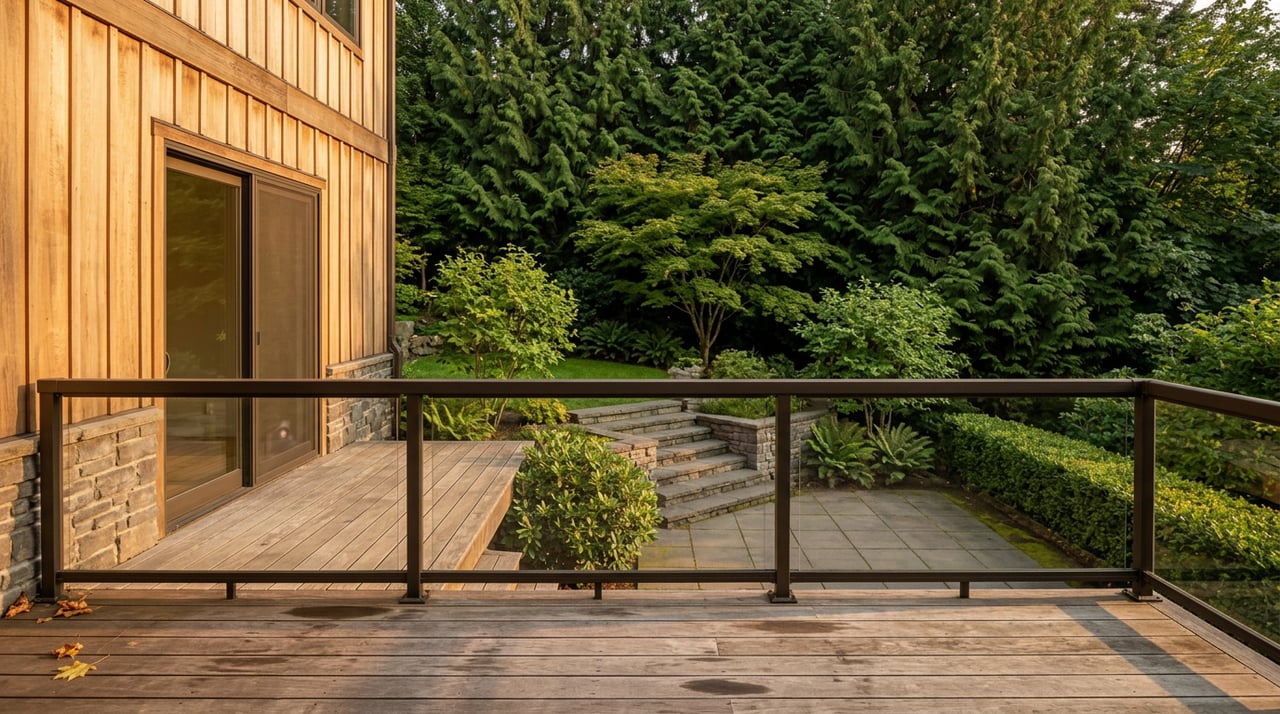
- Potentially larger yards or outdoor space
- More direct control over repairs and improvements
- Established architectural style and neighborhood character
- A more traditional detached-home ownership experience
If you want room to personalize a home over time, a resale property may feel like the better fit.
The tradeoffs with older homes
With an established home, you usually gain more control, but you also take on more direct maintenance responsibility. Instead of sharing upkeep through an association, you may be responsible for the roof, siding, landscaping, drainage, and other systems yourself.
You also need to look carefully at infrastructure. Ruston Public Works maintains city streets, street lights, street signs, and some sidewalks, but it does not maintain private streets. If a home sits on a private drive or shared access point, some repair or upkeep costs may still fall on property owners rather than the city.
What to review on a resale purchase
Washington requires a seller disclosure statement for improved residential real property unless the buyer waives it. That makes the disclosure form an important part of your review, but it should not replace a separate inspection.
When you are evaluating a resale home, pay close attention to:
- The seller disclosure statement
- Inspection findings
- Age and condition of major systems
- Whether access is from a public or private street
- Signs of deferred maintenance
- Renovation limits if the home has historic considerations
A beautiful older home can be a great fit, but you want a clear picture of both current condition and future upkeep.
Compare monthly cost, not just price
One of the biggest mistakes buyers make in Ruston is comparing sticker prices without comparing the full monthly picture. A newer condo or townhome may come with dues and possible assessments, while a detached resale home may come with fewer shared costs but more direct maintenance over time.
A better way to compare options is to look at the all-in monthly cost and the likely five-year maintenance burden. In a location where views, dues, and private infrastructure can all affect ownership costs, this side-by-side comparison usually gives you a more realistic answer.
| Factor | New Build Condo/Townhome | Resale Single-Family Home |
|---|---|---|
| Day-to-day maintenance | Often lower for exterior items | Usually higher owner responsibility |
| Monthly obligations | Dues may apply | Fewer shared dues in many cases |
| Special assessment risk | Possible | Less common in the same form |
| Privacy | Often more shared setting | Often more privacy |
| Yard space | Usually limited | Often greater |
| Control over changes | May be restricted by governing docs | Usually more direct control |
| Lifestyle focus | Waterfront convenience and walkability | Detached residential feel |
Which option fits your lifestyle best?
If you picture yourself spending a lot of time near the shoreline, enjoying a walkable waterfront routine, and wanting less immediate exterior upkeep, a newer condo or townhome may be the better match. This option often works well for buyers who value convenience and a more predictable day-to-day ownership experience.
If you care more about privacy, outdoor space, parking, and having direct control over your property, a resale single-family home may be the stronger fit. This path often makes sense for buyers who are comfortable managing maintenance in exchange for more independence.
A smart way to decide in Ruston
The best decision usually comes down to three practical questions:
- How much maintenance do you want to handle yourself?
- How important are waterfront access and walkability to your daily routine?
- Do you want more ownership control, even if it means more upkeep?
If you can answer those clearly, the right property type often becomes much easier to spot. In Ruston, the choice is less about whether new is better than old and more about which style of ownership supports the life you want to live.
Whether you are comparing a waterfront condo, a townhome, or a character-filled resale house, local context matters. If you want help weighing dues, disclosures, private infrastructure, maintenance responsibilities, and long-term value in Ruston, schedule a free consultation with The Network.
FAQs
What is the main difference between a new build and a resale home in Ruston?
- In Ruston, new builds are often condos or townhomes near the waterfront with a more convenient, lower-maintenance lifestyle, while resale homes are often detached houses on surrounding streets with more privacy, yard space, and owner control.
What should you review before buying a new condo or townhome in Ruston?
- You should review the governing documents, current assessments, possible special assessments, reserve-study status, insurance, legal actions, maintenance responsibilities, and whether the community includes private roads or shared infrastructure.
Why do views matter when buying near the Ruston waterfront?
- Tacoma waterfront planning notes that bay views can add substantial value, so if a view is a major reason for your purchase, you should ask how protected it is and whether future development phases could affect it.
What should you check before buying a resale home in Ruston?
- You should review the seller disclosure statement, get a separate inspection, confirm whether the home is on a public or private street, and evaluate the age and condition of major systems and any likely maintenance needs.
How do you compare ownership costs between a new build and a resale home in Ruston?
- The most useful comparison is the all-in monthly cost plus the likely five-year maintenance burden, including dues, potential assessments, private infrastructure costs, and expected repairs.