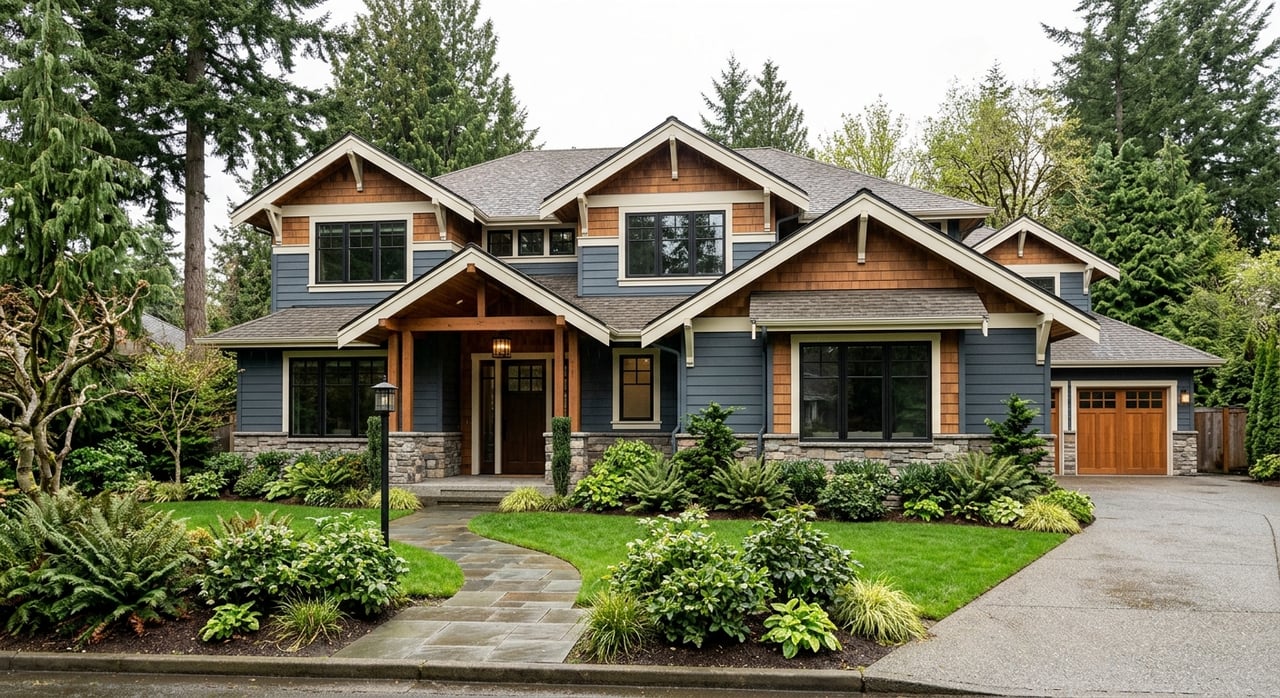
Thinking about moving to Gig Harbor? It is easy to see the appeal. You get a harbor-town setting, everyday shopping and services close by, and access to Tacoma across the Narrows, but your daily routine can look very different depending on which part of the peninsula you choose. If you are weighing commute times, lifestyle fit, and home prices, this guide will help you understand the tradeoffs so you can make a smarter move. Let’s dive in.
What relocating to Gig Harbor really means
One of the first things to know is that Gig Harbor can mean two different things. The incorporated city itself is just 6.13 square miles, but many homes with a Gig Harbor mailing address are actually in unincorporated Pierce County.
That matters when you start comparing neighborhoods, commute patterns, and housing options. A home near the historic waterfront can offer a very different experience than a property farther north or west on the peninsula, even if both share the same mailing address.
Official city planning materials describe Downtown Gig Harbor as historic, charming, and centered on a walkable waterfront. They also note that newer growth has expanded north and west of that original harbor core, which helps explain why the local market feels broader and more varied than many relocators expect.
Commute from Gig Harbor to Tacoma
For many buyers, the biggest relocation question is simple: What is the commute actually like? If you plan to work in Tacoma or travel that direction often, the SR 16 Tacoma Narrows Bridge will likely shape your day.
Narrows Bridge tolls and direction
WSDOT says tolls are collected only when you are heading to Tacoma. Current passenger vehicle tolls for a 2-axle car are $4.50 with a Good To Go! account, $5.50 at the toll booth, and $6.50 by mail.
That means the cost of crossing can add up if you commute frequently. When you are budgeting for a move, it helps to think beyond mortgage or rent and include the bridge in your monthly transportation costs.
Traffic patterns on SR 16
Traffic is not the same in both directions. WSDOT found that eastbound SR 16 approaching the bridge sees heavy morning commuter congestion, while westbound segments near Gig Harbor can get backed up in the afternoon.
WSDOT has also activated ramp meters on eastbound SR 16 in Gig Harbor to help manage morning build-up. Even with those tools, if your job depends on a fixed arrival time, it is smart to plan your route and schedule around peak travel windows.
A useful commute baseline
The Census reports a mean travel time to work of 29.0 minutes for Gig Harbor workers. That number is a broad average, not a promise, but it gives you a starting point when you are comparing Gig Harbor with Tacoma or Lakewood.
Your actual drive will depend on where you live on the peninsula, how close you are to SR 16, and whether your work hours line up with peak bridge traffic. In practice, two homes with the same city label can produce very different daily routines.
Transit and park-and-ride options
Transit exists, but it is fairly targeted. Pierce Transit Route 100 connects Tacoma Community College, Kimball Drive Park & Ride, and Purdy Park & Ride.
There is also a seasonal option for local trips. The Route 101 Gig Harbor Waterfront Connector runs Fridays through Sundays in summer and links the historic downtown waterfront district, Uptown, and Kimball Drive Park & Ride.
For some relocators, that makes park-and-ride or local shuttle use part of the solution. Still, most buyers should plan around SR 16 first and view transit as a helpful supplement rather than a full replacement for the commute.
Lifestyle in Gig Harbor
Gig Harbor stands out because it blends waterfront character with suburban convenience. If you want a place that feels scenic and active without losing access to everyday essentials, that mix is a big part of the draw.
Downtown waterfront feel
The downtown waterfront is one of the most recognizable parts of Gig Harbor life. Local tourism and city sources describe it as a place with boutiques, art galleries, cafés, marinas, and event spaces woven into the harbor setting.
This area tends to appeal to buyers who want a stronger sense of place and enjoy being close to the water. It feels distinct from a typical suburban retail corridor, which is one reason Gig Harbor often attracts buyers looking for more than just a bedroom community.
Parks, trails, and outdoor access
The city owns numerous parks, open spaces, trails, and trailheads. Its Active Transportation Plan also highlights downtown sidewalks and the Cushman Trail as important parts of how people move around day to day.
Skansie Brothers Park is a local centerpiece in the downtown core. It hosts events such as the Maritime Gig Festival, the Holiday Tree Lighting, and a summer concert series, reinforcing the harbor-town identity through the year.
Jerisich Dock adds another practical piece to the waterfront lifestyle with transient moorage downtown. For buyers who care about boating access or simply being near working waterfront activity, that can be a meaningful part of the appeal.
Shopping and daily convenience
Not every errand happens downtown. Everyday retail and services are spread across multiple nodes, which is helpful if you want convenience without driving into Tacoma.
The chamber notes that Gig Harbor North and Harbor Hill have become key residential and commercial districts. Destinations there include Costco, Target, The Home Depot, and the Tom Taylor Family YMCA.
That matters because it changes how the area functions in daily life. You can enjoy the harbor setting while still having access to major shopping and service hubs on the peninsula.
Housing in Gig Harbor
Housing is where many relocators feel the tradeoffs most clearly. Gig Harbor offers a wide range of settings, but in general, you should expect a market that is more single-family oriented and more expensive than Tacoma.
The housing mix
According to the city’s Housing Needs Assessment, 63% of the housing units added between 2000 and 2022 were single-family homes, while 37% were multifamily. The city also says current policy is focused on expanding townhomes, row housing, accessory dwelling units, and multifamily options.
That helps explain why many buyers still encounter a market dominated by detached homes. If you are hoping for a condo, townhome, or lower-maintenance option, inventory may feel more limited depending on your price point and location priorities.
Price expectations
Census QuickFacts shows an owner-occupied housing rate of 62.6%, a median owner-occupied value of $686,000, and median gross rent of $2,097 for 2019 through 2023. Current market trackers place active pricing above that owner-occupied value benchmark.
Zillow reports an average home value of $797,241, a median sale price of $762,000, and a median list price of $875,492 in early 2026. Redfin reports a March 2026 median sale price of $885,000, homes selling in about 24 days, and about 2 offers on average.
For context, Redfin shows Tacoma at a March 2026 median sale price of $485,000. That gap is one of the clearest signals for relocators deciding whether Gig Harbor’s lifestyle and setting justify the premium.
How Gig Harbor neighborhoods vary
A practical way to think about Gig Harbor is not as one uniform market, but as a spectrum of lifestyle, commute, and price points. City planning materials identify neighborhood design areas such as View Basin, Soundview, Gig Harbor North, Peacock Hill, Rosedale/Hunt, and Westside.
Waterfront and view-oriented areas
Some parts of Gig Harbor command a premium because of their setting. Nearby neighborhood data cited in the research shows medians around $1.0 million in View Basin and Peacock Hill, which can act as a rough proxy for higher-cost, view-oriented segments of the market.
If scenery, water views, or a more elevated residential feel are at the top of your list, these areas may be worth a closer look. The tradeoff is that premium positioning often comes with premium pricing.
Mixed-use and gateway areas
Soundview is described in city planning materials as a mixed-use gateway with single-family and multifamily homes, plus low-intensity commercial and community services. For some buyers, that blend can offer a more flexible middle ground between the waterfront core and more suburban areas.
This kind of location may appeal if you want easier access to services and a less isolated feel. It can also be useful for buyers who value convenience alongside neighborhood character.
North and inland suburban options
Gig Harbor North is characterized by the city as a regional service area with contemporary architecture, pedestrian and bicycle connections, and large natural areas. That description fits what many relocators are looking for when they want newer development patterns and close access to major shopping.
Nearby neighborhood medians in the research also show lower figures in places like Oakbrook at about $575,000 and West End at about $589,000. While those are not the same as every Gig Harbor neighborhood, they help illustrate the wider regional spread between more attainable inland options and premium view-driven locations.
Is Gig Harbor worth it for your move?
That depends on what you want your daily life to look like. If you are focused on a shorter Tacoma commute or a lower entry price, you will likely compare Gig Harbor with Tacoma or Lakewood very carefully.
If you value scenery, boating access, waterfront atmosphere, and a quieter pace, Gig Harbor may feel worth the extra cost and commute planning. The key is to match your home search to your real priorities, not just the name on the mailing address.
A strong relocation plan usually starts with three questions:
- How often will you cross the Narrows for work or daily needs?
- Do you want walkable waterfront character, suburban convenience, or a balance of both?
- What price range fits comfortably once you include tolls, travel time, and lifestyle goals?
When you answer those clearly, Gig Harbor becomes much easier to evaluate.
If you are considering a move to Gig Harbor or anywhere in the South Sound, working with a local team can help you compare neighborhoods, commute patterns, and price points in a more practical way. The Network offers relationship-driven guidance for relocators who want clear advice and a smoother move.
FAQs
What is the commute from Gig Harbor to Tacoma like?
- The main route is SR 16 across the Tacoma Narrows Bridge, with heavier eastbound congestion in the morning and westbound congestion near Gig Harbor in the afternoon.
What does the Tacoma Narrows Bridge cost for Gig Harbor drivers?
- WSDOT says tolls are collected only heading to Tacoma, with current 2-axle passenger vehicle rates of $4.50 with Good To Go!, $5.50 at the toll booth, and $6.50 by mail.
What is daily life in Gig Harbor like for new residents?
- Gig Harbor offers a mix of walkable waterfront areas, parks and trails, marinas, event spaces, and larger shopping districts such as Gig Harbor North and Harbor Hill.
Is Gig Harbor more expensive than Tacoma for homebuyers?
- Yes. The research shows Gig Harbor home prices are well above Tacoma, with March 2026 median sale prices reported at $885,000 in Gig Harbor and $485,000 in Tacoma.
Are all Gig Harbor addresses inside the city limits?
- No. The city notes that many addresses with a Gig Harbor mailing address are actually located in unincorporated Pierce County.
What types of homes are common in Gig Harbor?
- Gig Harbor remains more single-family oriented than many buyers expect, though the city is also focused on expanding options such as townhomes, row housing, accessory dwelling units, and multifamily homes.