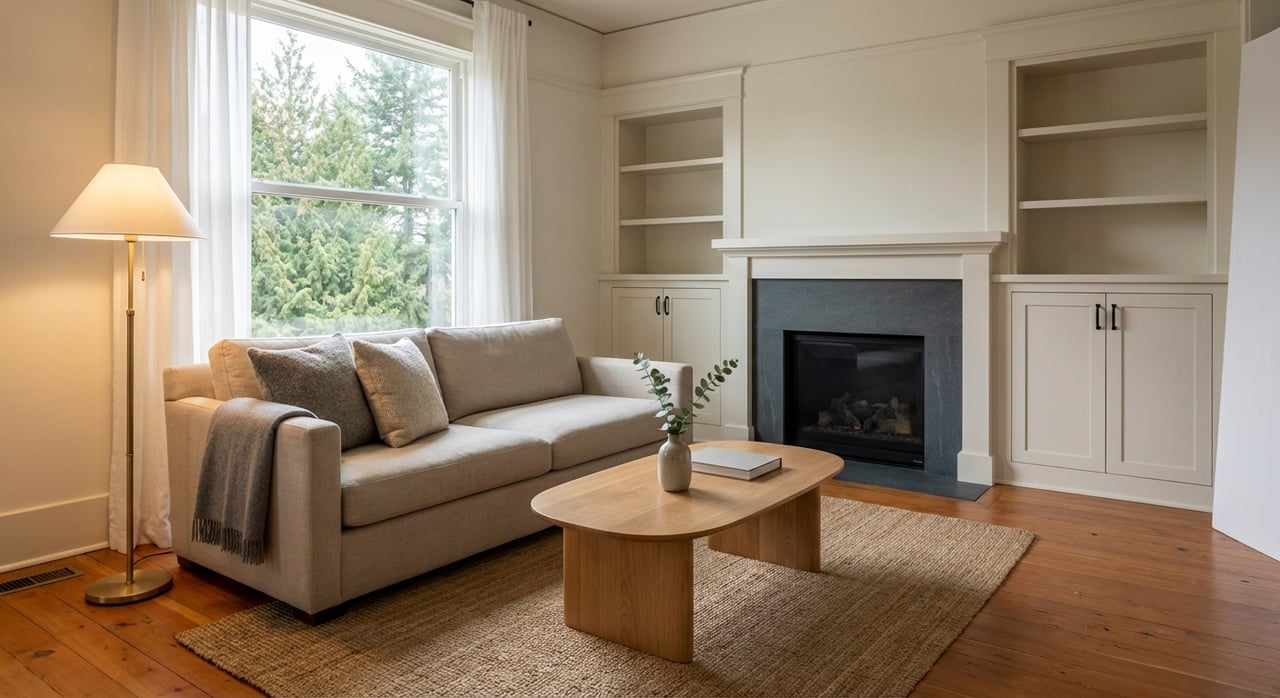
If you are planning to sell in North Tacoma, you are competing for attention with waterfront walks on Ruston Way, afternoons at Point Defiance, and the charm of Proctor and the North Slope. Buyers here love light, authenticity, and easy everyday living. With the right staging and prep, your home can highlight those lifestyle cues and convert online views into showings. In this guide, you will learn what today’s buyers notice first, the highest‑impact updates, and a simple plan to get market‑ready on a realistic timeline. Let’s dive in.
What today’s buyers expect in North Tacoma
North Tacoma homes often blend history with everyday convenience. In the North Slope and nearby streets, original woodwork, built-ins, and hardwoods are part of the appeal, while many buyers also want bright, open-feeling rooms that photograph well. Walkability to Proctor shops, Old Town, and neighborhood parks is a plus, and outdoor spaces matter because people value gathering spots close to the water and trails.
You do not need to renovate everything to meet expectations. Focus on light, cleanliness, and a clear floor plan that shows how each room works. Staging should support an easy daily rhythm and highlight any period details instead of hiding them.
Who is shopping here and why it matters
Household sizes and needs vary across Tacoma and Pierce County. City and county QuickFacts show a mix of ages and household types, which is a helpful reminder to stage flexible, functional spaces that appeal broadly and avoid hyper‑specific themes. A clean living room, a calm primary bedroom, and an efficient kitchen setup serve nearly every buyer profile well. If you want demographic context, review the city’s summary pages on U.S. Census QuickFacts before you prioritize rooms.
The evidence for staging and strong presentation
Staging works because it helps buyers picture life in the home. In the National Association of REALTORS 2025 staging snapshot, most buyer agents reported that staging made it easier for clients to visualize the property, and the most commonly staged rooms were the living room, primary bedroom, and dining room. You can review the highlights in the NAR Profile of Home Staging.
Professional stagers also track time-on-market outcomes. The Real Estate Staging Association publishes member benchmarks and agent materials that show staged homes often see faster sales and stronger offers. While results vary by price point and property, the direction is clear: thoughtful staging supports better results.
Staging priorities for North Tacoma homes
First 72 hours: high‑impact, low‑cost moves
- Declutter and depersonalize. Remove personal photos and anything that distracts from room function. NAR’s staging snapshot confirms these basics still matter.
- Deep clean and brighten. Clean windows, swap in warm, bright LED bulbs, and remove heavy drapes blocking natural light. Mirrors and light textiles help counter shorter winter days. Guidance from RESA supports light-maximizing tactics in the PNW.
- Refresh paint and finishes. Neutral interior paint and updated cabinet or door hardware create a cohesive, modern look. For ROI context on smaller cosmetic projects, see the Pacific region in Remodeling’s Cost vs. Value report.
Rooms to stage first
- Living room or main entertaining space. This is the most influential room and should feel inviting and spacious. See NAR’s staging snapshot for why living areas lead.
- Primary bedroom. Aim for restful and clutter‑free with layered bedding, balanced nightstands, and soft lamps.
- Kitchen. Prioritize spotless surfaces, fresh paint on tired cabinets, updated hardware, and better lighting. Minor updates often recoup well compared with full remodels according to Cost vs. Value.
Showcase historic character
If you are selling in or near the North Slope Historic District, do not cover up original woodwork, built-ins, tile, or leaded windows. Choose lighter furniture that frames these elements and use area rugs to define spaces without hiding hardwoods. For exterior or window work in designated areas, consult the neighborhood’s guidance via the Tacoma North Slope Historic District before making changes.
Outdoor spaces and view lines
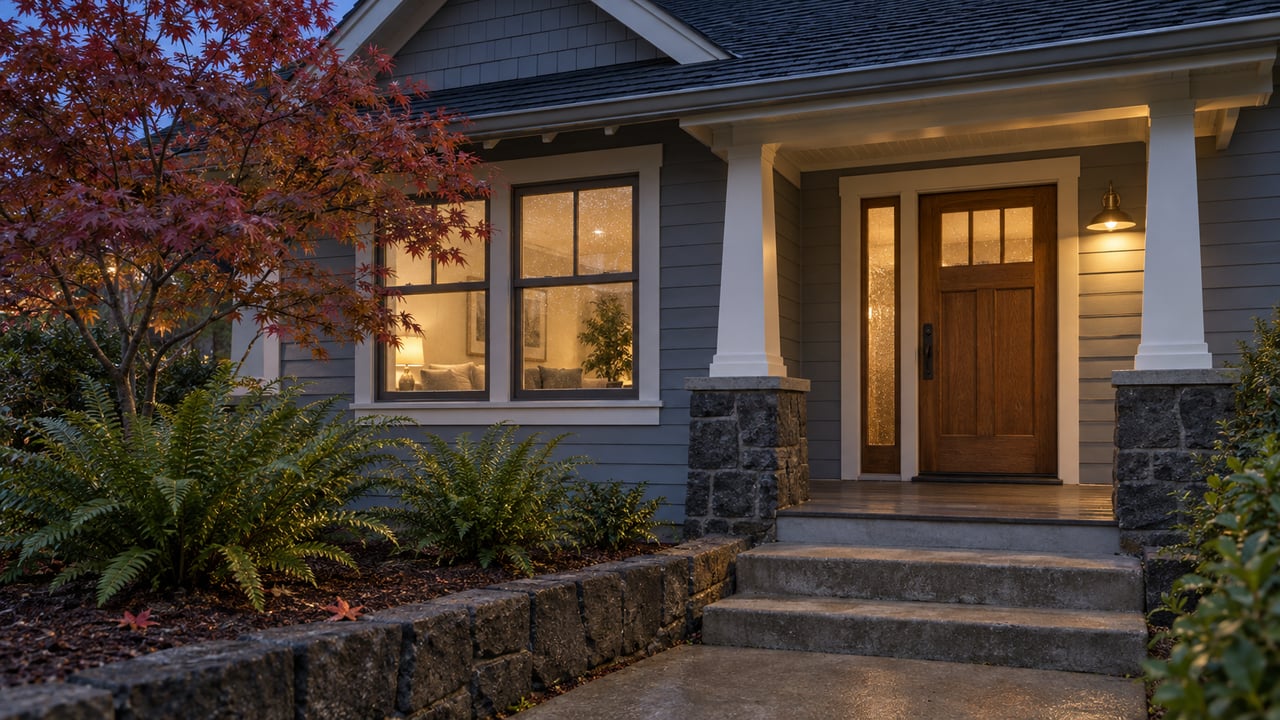
Stage patios and decks with clean, simple seating. Clear overgrown hedges that block natural light at windows or partial views of Commencement Bay. For view-focused properties, plan a twilight hero shot that captures the setting and an uncluttered yard that reads well in photos.
PNW curb appeal
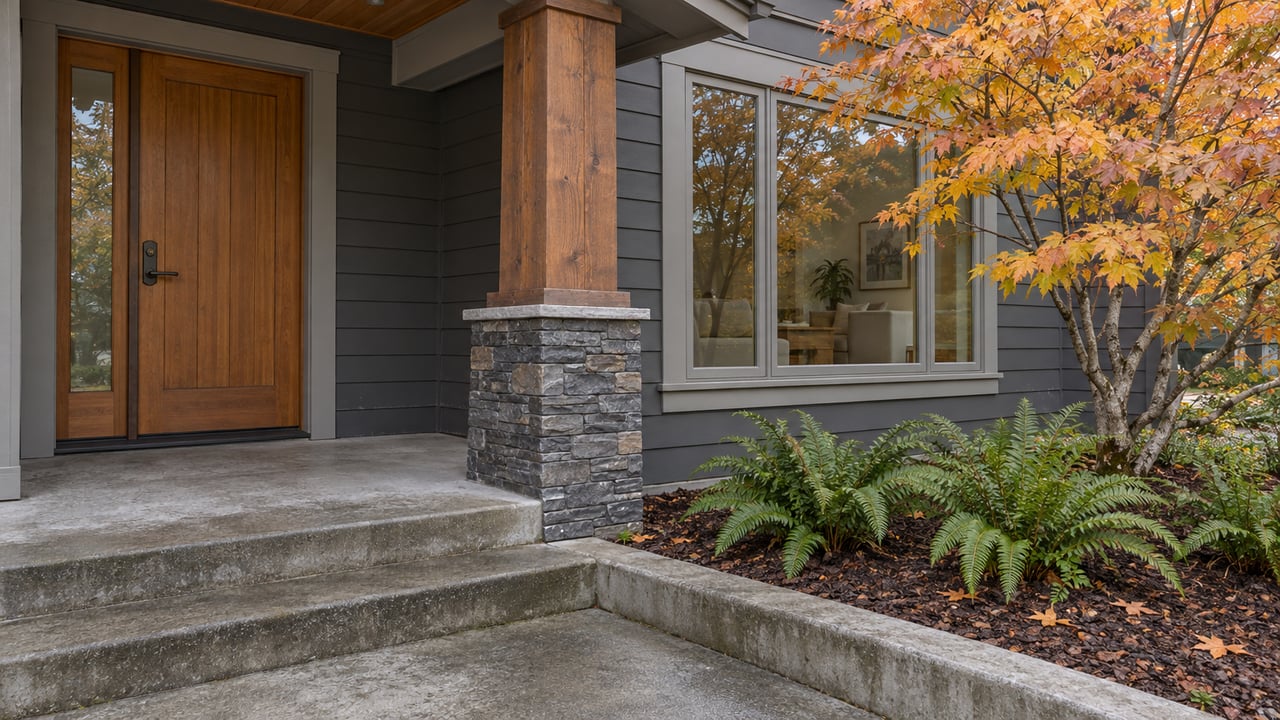
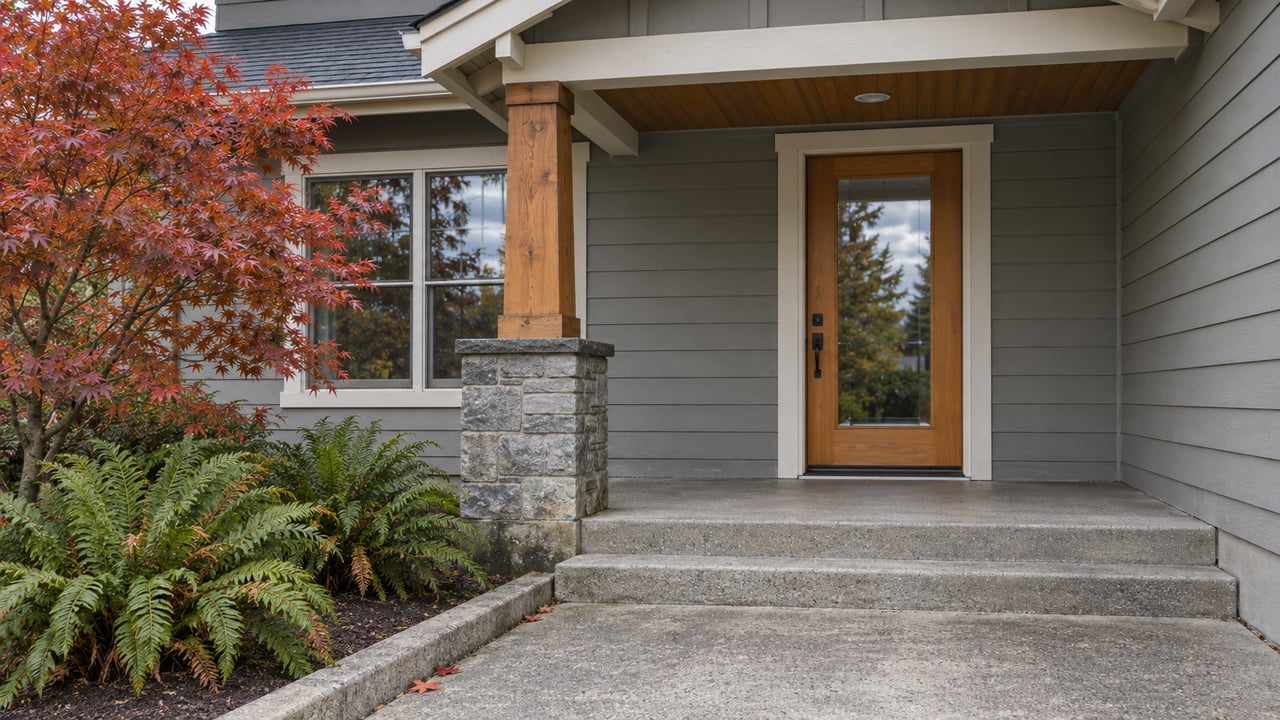
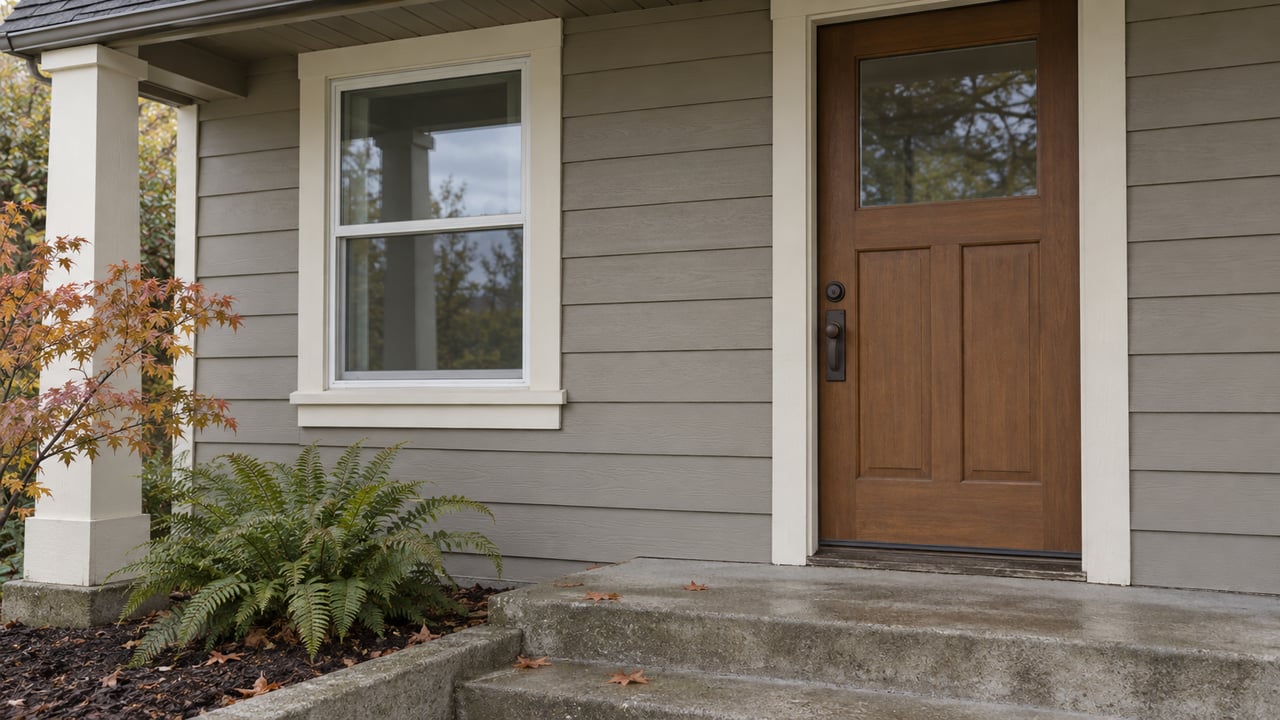
Small changes make a big difference: clear moss from walkways, tidy native plant beds, refresh mulch, and paint the front door a modern neutral. Exterior improvements and curb appeal projects frequently rank well for cost recapture in Cost vs. Value.
Photography, video, and virtual staging
Your online presentation is your first showing. Ask for a deliverables plan that includes 20 to 30 high‑resolution photos, a floor plan, a short walk-through video, and a 3D tour when appropriate. A twilight exterior can become your featured image. Drone images are helpful for homes with water proximity or unique settings, provided the operator follows FAA rules and local regulations.
Virtual staging is a useful tool for vacant rooms, especially in larger homes. Rules vary by MLS, so images should be disclosed clearly when they are virtually staged and edited within policy. For compliance checklists and best practices, see agent and seller resources from RESA.
Budget and timelines you can plan around
Every home is different, but most North End sellers can plan on the following ranges:
- Quick prep timeline. Decluttering, paint touch-ups, deep clean, and key-room staging often take 1 to 2 weeks when coordinated well.
- Deeper prep timeline. Full staging, floor refinishing, light kitchen refresh, and exterior tune-ups can run 2 to 6 weeks depending on contractor availability.
- Photo and tour package. Professional photos with a twilight shot and basic 3D or floor plan add-ons typically cost a few hundred dollars. Prices vary by vendor and scope.
- Staging cost ranges. Partial staging for select rooms commonly starts under a few thousand dollars, while full vacant staging scales with home size. Benchmarks and pricing tools are available from RESA.
- Cosmetic ROI lens. Minor kitchen work, paint, refinishing floors, and curb appeal updates often deliver sensible recapture according to Cost vs. Value. Your agent should help you set an upper spend limit based on likely return.
Concierge programs that remove upfront costs
If you would benefit from improvements but want to pay at closing, ask about Compass Concierge. The program can advance funds for staging and pre-sale repairs, then you repay at closing or under the program’s terms. Availability and terms vary by market, and fees or interest can apply. Review the current overview on Compass Concierge and confirm details with your local Compass agent before you begin.
How to choose the right listing team
Ask pointed questions so you understand the plan and the numbers:
- What specific staging scope do you recommend for my home and why? Which rooms first, and what is the expected impact on days on market and offers?
- Do you offer a pay‑at‑close option, and what are the repayment triggers and fees? If using Compass Concierge, how long from scope approval to work start?
- Who are your go‑to local vendors for staging, photography, paint, flooring, and cleaning? Can I see before‑and‑after examples from the North End?
- What is your photography and media plan? How many images, will we include a twilight hero, floor plan, video, and 3D tour?
- How will you price and position the home in this week’s market, and how will you adjust if we do not see enough traffic after launch?
- Can you provide a sample net proceeds sheet that includes prep costs, concierge advances if used, and typical closing costs?
A simple prep plan for the North End
- Week 1: Edit belongings, remove personal items, schedule junk haul and donation pickup, book cleaners and handyman. Confirm any historic-district limits via Tacoma North Slope Historic District if applicable.
- Week 2: Paint touch-ups, lighting swaps, hardware updates, landscape tidy, and key-room staging. Set photography date and media shot list.
- Launch week: Final clean, style day-of, photo and video shoot, install yard sign, publish listing with accurate disclosures and clear virtual-staging labels if used. Verify your home’s age and complete the federally required lead-based paint disclosure if pre‑1978. For renovation activities that disturb paint, consult EPA guidance and hire RRP‑certified pros per the EPA RRP program.
Ready to talk through your home’s specific scope and timeline in North Tacoma? Reach out to The Network for a tailored plan and a calm, step‑by‑step process.
FAQs
Is staging really necessary in a fast North Tacoma market?
- Staging still helps buyers see how rooms function and can reduce time on market; NAR’s staging snapshot shows buyer agents consistently report these benefits.
Which rooms should I stage first if my budget is tight?
- Start with the living room, primary bedroom, and a spotless, well‑lit kitchen since these spaces drive first impressions and showing feedback.
How does Compass Concierge work for Tacoma sellers?
- Concierge can fund staging and pre‑sale improvements with repayment at closing under program terms; availability, limits, and fees vary, so confirm details on the Compass Concierge page and with your agent.
Can I use virtual staging in NWMLS listings?
- Virtual staging is often allowed with clear disclosure and within MLS photo rules; see best practices and compliance tips from RESA and confirm current NWMLS policies with your agent.
What should I do if my North End home was built before 1978?
- Complete the federal lead-based paint disclosure and, if doing work that disturbs paint, hire RRP‑certified contractors per the EPA RRP guidance.
How do I balance preserving historic features with modern appeal?
- Keep original details visible and use lighter, scaled furniture to frame them; check exterior change rules and tips on the Tacoma North Slope Historic District site if your home is in a designated area.