Sunsets over the Olympics. Ferries crossing Puget Sound. If you are drawn to that west-facing glow, a view home in Normandy Park can feel like the dream. It is a smart dream to approach with care. Shoreline rules, bluff stability, and view quality all shape value and livability. In this guide, you will learn how Normandy Park’s shoreline works, what to check before you make an offer, and how view, elevation, and condition affect price. Let’s dive in.
Why Normandy Park view homes stand out
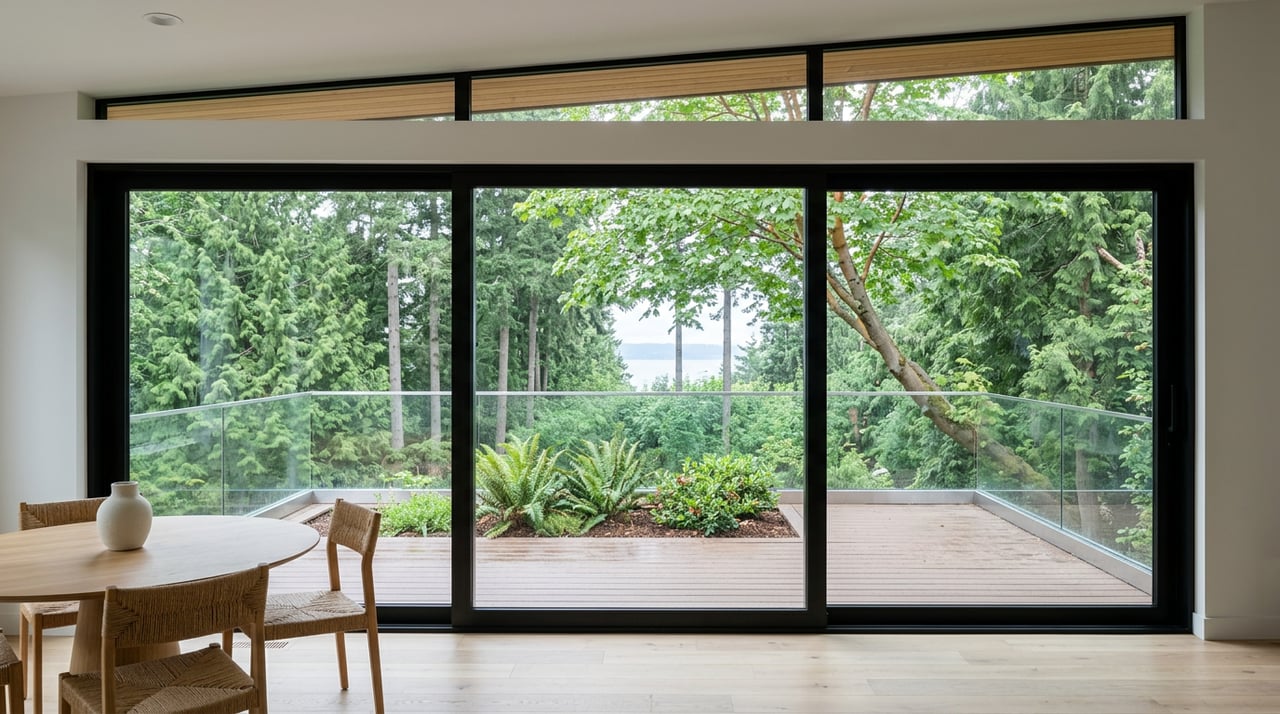
Normandy Park sits on Puget Sound in King County between Burien and Des Moines. Many view homes face west toward the Olympics and open water. Floor plans often put living spaces and the primary suite on the view side with large picture windows, sliding doors, and wide decks to frame sunsets.
Bluff properties commonly step down the slope with tiered foundations and stacked decks. You may see lower-level walkouts, terraces, or a stair or trail to the beach where allowed. Some homes have older bulkheads or riprap at the toe of the bluff.
Utilities vary. Some shoreline parcels are on public sewer and water, while others use septic. Verify utility type and records early in due diligence because it affects maintenance and future plans.
Vegetation is part of the value and the rules. Normandy Park’s Shoreline Master Program favors native plants and limits removal in shoreline jurisdiction, which means you should not assume you can clear trees to open a view without permits. Review the city’s shoreline vegetation and stabilization standards to understand what is allowed and what is not. You can read the shoreline framework and vegetation standards in the city code for shoreline jurisdiction and environments and vegetation and stabilization.
Public beach access is limited. Marine View Park is the primary municipal access point, and much of the tideland is privately held. Plan privacy and access expectations with that in mind. The city’s shoreline chapter explains the local access context in more detail in the shoreline jurisdiction section.
Know the shoreline rules before you buy
Normandy Park’s shoreline is regulated under Washington’s Shoreline Management Act. The city’s Shoreline Master Program maps several shoreline environments, including a bluff conservancy overlay where single-family homes sit on feeder bluffs. Many changes near the bluff edge or on the beach require shoreline permits. New hard armoring is tightly controlled, and soft-shore or vegetative approaches are preferred. See the city’s shoreline environments and SMP standards and stabilization and vegetation provisions.
Bluffs and steep slopes are also treated as geologically hazardous critical areas. Construction, grading, or major vegetation removal in these zones typically requires geotechnical reports and may be restricted. Review the city’s critical areas and geotechnical requirements so you know what to expect.
Risks and buyer due diligence checklist
Use this checklist for any bluff-top or shoreline-adjacent view home in Normandy Park (98148 and nearby 98166):
- Geotechnical and slope hazards. Ask for a stamped geotechnical report and any reports from prior permits. Bluff or steep-slope work often triggers critical area review, seasonal clearing limits, and vegetation retention. See the city’s critical areas standards.
- Shoreline stabilization history. If a bulkhead or riprap exists, verify when it was built, whether it had a shoreline permit, and what the rules are for repair or replacement. Normandy Park’s SMP prioritizes soft approaches and makes many new hard structures conditional. Review shoreline stabilization standards.
- Title and recorded encumbrances. Look for recorded view easements, tideland ownership, public access easements, or HOA covenants that affect vegetation or access. There is no general legal right to a view without a recorded easement. For background on easements, see this reference on easements and title examination.
- Flood and sea-level rise exposure. Bluff-top homes are often above FEMA coastal flood zones, but lower improvements like beach stairs or bulkheads can sit in tidal hazard areas. Screen long-term inundation and insurance exposure using NOAA’s Sea Level Rise viewer dataset.
- Vegetation and access limits. Removing tall trees to “open a view” is often restricted in shoreline jurisdiction. Confirm whether a beach trail is private or public. Marine View Park is the city’s primary public shoreline access. See shoreline jurisdiction and access context.
- Restoration and policy trends. Normandy Park participates in regional feeder-bluff restoration efforts. Policies that encourage soft-shore restoration can shape the long-term management of private armoring. For local context, review the Beaconsfield feeder-bluff project.
- Seasonal visibility and smoke. Summer wildfire smoke has occasionally reduced long-range views in the Puget Sound region. For context on recent smoke seasons, see the Washington Smoke Blog.
- Practical inspections. Schedule a site visit at low tide to view the intertidal area and any armor. Order full roof, foundation, and structural inspections. Verify sewer connection or septic records. Request copies of all prior permits, engineering, and historical photos of bluff change. Many shoreline projects require professional-stamped reports under the critical areas standards.
Pricing and how views shape value
Normandy Park sits in a higher-tier price band for the South Sound shoreline. As of January 2026, Redfin reported a median sale price around 1.05 million dollars for Normandy Park. Nearby coastal communities often show lower medians, with Des Moines and Burien in the low to mid 600 thousand range, West Seattle around 800 thousand, Edmonds in the mid 700 thousand range, and Vashon Island around 800 thousand in the same snapshot. These figures change over time, so confirm current numbers when you are ready to tour.
View quality drives big differences within the local market. Academic work on Pacific Northwest housing has found view premiums that can range from roughly 8 percent for a limited partial ocean view to 30 to 60 percent or more for an unobstructed, high-quality panorama. The premium depends on scope of view, elevation and distance from the water, whether the property is true waterfront, and how much competing inventory exists. For a detailed look at how researchers have measured this, see the hedonic study on the value of a view.
In Normandy Park, that means a west-facing bluff home with clear Olympic and Puget Sound sightlines typically commands a measurable premium over a similar home with a narrow or tree-filtered view. Waterfront estates and larger bluff properties can sell far above the city median, while inland non-view homes trade at significantly lower prices.
Smart touring tips for 98148 buyers
- Check orientation. Verify the home faces west and list what you can see on a clear day, such as the Olympics or Vashon Island.
- Walk the site. Note deck condition, railings, and slope transitions. Ask if there is a maintained trail or stair to the beach and whether it is private or shared.
- Confirm utilities. Ask the listing agent to verify sewer connection or provide septic records and recent service history.
- Time your visit. If possible, tour near sunset and again in daylight. Visit at low tide to evaluate nearshore conditions.
- Ask for documents. Request the title report, prior permits, engineering, and any geotechnical studies before finalizing terms.
How The Network helps you buy with confidence
A shoreline purchase is part dream and part due diligence. You deserve both. Our team pairs local market context with a clear process. We help you verify orientation and view scope, coordinate inspections, pull permits and title records, confirm sewer or septic status, and connect you with shoreline and geotechnical professionals when needed. We also assess recent sales so you understand the view premium you are paying for.
If you are considering a Normandy Park view home, let’s build a plan that fits your goals and timeline. Start the conversation with The Network.
FAQs
What makes a “view home” in Normandy Park different?
- Many homes face west to Puget Sound and the Olympics with large windows and decks, and some sit on bluffs where shoreline rules and geotechnical factors affect remodeling and maintenance.
Are bulkheads or new beach walls allowed in Normandy Park?
- The city’s Shoreline Master Program prioritizes soft-shore and vegetative approaches, and new hard armoring is often conditional or restricted. Review the stabilization standards and ask for permit history.
Can I remove trees to improve my view on a bluff lot?
- Not without checking the rules. Shoreline vegetation is protected, and removal is limited. See the city’s shoreline vegetation standards and confirm with the city before cutting.
Do bluff-top homes require flood insurance?
- Many bluff-top homes sit above FEMA coastal flood zones, but lower improvements can be in tidal hazard areas. Screen exposure with NOAA’s Sea Level Rise dataset and review your insurer’s guidance.
What documents should I request before I make an offer?
- Ask for the title report, any recorded view or access easements, geotechnical and structural reports, shoreline permits, utility records, and historical photos of the bluff or beach.
How does smoke or haze affect the view I am paying for?
- Seasonal haze and wildfire smoke can reduce long-range visibility. Touring on multiple days and reviewing recent smoke patterns, such as on the Washington Smoke Blog, will help you gauge true view quality.