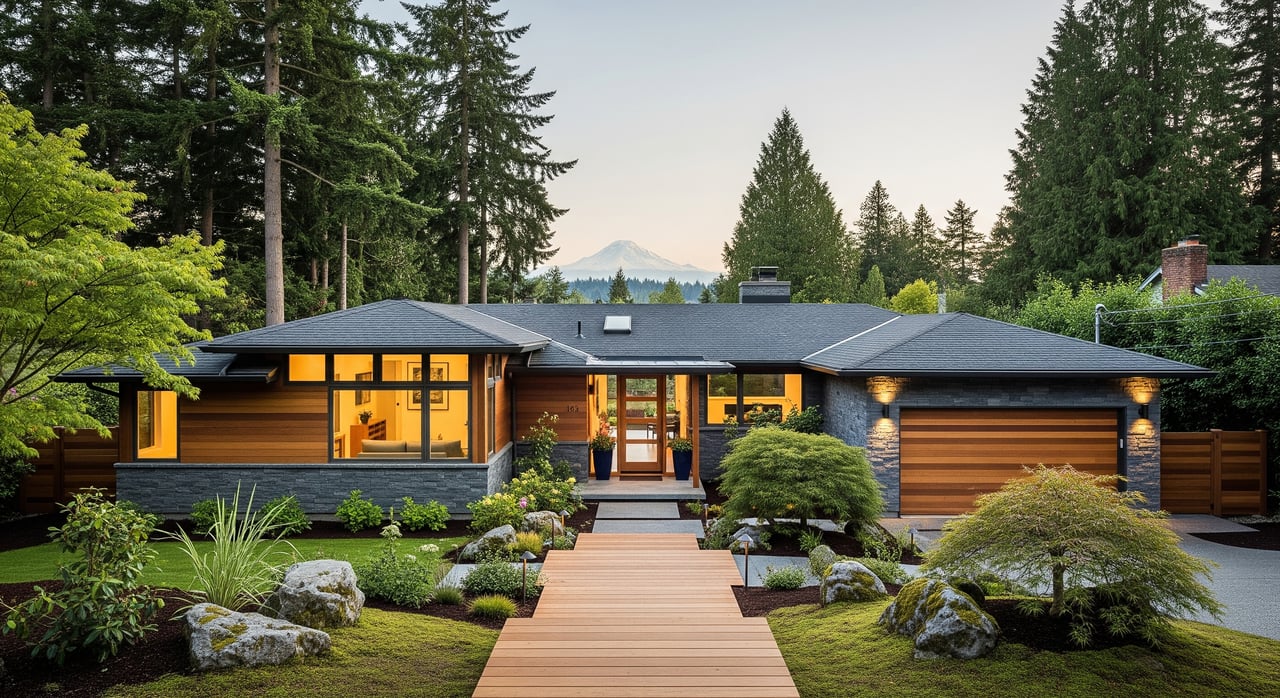
Should you flip that 1980s Northeast Tacoma home or hold it as a rental? You are not alone if you are weighing speed and profit against steady cash flow and long-term wealth. The right move often comes down to project scope and financing, not market timing. In this guide, you will learn what to expect from typical 1980s homes in NE Tacoma, how flip and buy-and-hold models differ, and how small changes in cost or time can reshape results. Let’s dive in.
NE Tacoma 1980s home basics
Homes from the 1980s in Northeast Tacoma are commonly wood-framed, 1 to 2 stories, with attached garages and modest to medium lots. Layouts usually run 2 to 4 bedrooms and about 1,000 to 2,000 square feet. Many interiors are ready for a cosmetic refresh rather than a full gut.
Expect aging systems and finishes. You may see 100-amp electrical panels, older water heaters, original windows, and dated kitchens and baths. In the Pacific Northwest, moisture can drive issues like roof and siding wear, crawlspace dampness, and mildew in poorly ventilated spaces.
Hazard materials are less common than in older homes, but still possible in niche products. Lead-based paint is less likely due to the 1978 federal ban. Some 1980s materials may include asbestos, such as certain vinyl floor tiles or duct wrap. Always confirm with inspections and testing.
Flip vs hold: how to choose
When a light flip fits
A flip can work when you buy below retail and keep rehab predictable and mostly cosmetic. You want a short timeline, reliable contractors, and a strong selling environment. Flips are highly sensitive to delays and surprise repairs, which can erase margins fast.
When buy-and-hold works
A rental can shine when local rent supports your debt and operating costs with room for reserves. You are aiming for steady cash flow, long-term appreciation, and tax benefits like depreciation. Buy-and-hold makes sense if you value stability more than a fast lump-sum profit.
Quick decision checklist
- Purchase discount: Is the price meaningfully below comparable sales for its condition?
- Rehab predictability: Can you limit work to cosmetic refreshes with clear bids?
- Timeline tolerance: Can you absorb permit or contractor delays if they occur?
- Financing fit: Do your loan costs align with a quick flip or a multi-year hold?
- Carrying capacity: Can you comfortably cover interest, taxes, and utilities while vacant?
- Local demand: Do recent NE Tacoma comps support your ARV or your target rent?
Light value-add scope that pays
Most 1980s NE Tacoma homes respond well to focused, high-ROI updates. Keep scope tight.
- Kitchen refresh: repaint or replace doors, mid-range counters, modern appliances.
- Bath refresh: new vanity, fixtures, tile at wet areas, fresh lighting and mirrors.
- Floors and paint: LVP or mid-range carpet, interior paint, and trim clean-up.
- Minor systems: replace water heater, tune or replace HVAC as needed, panel upgrade if required by code or load.
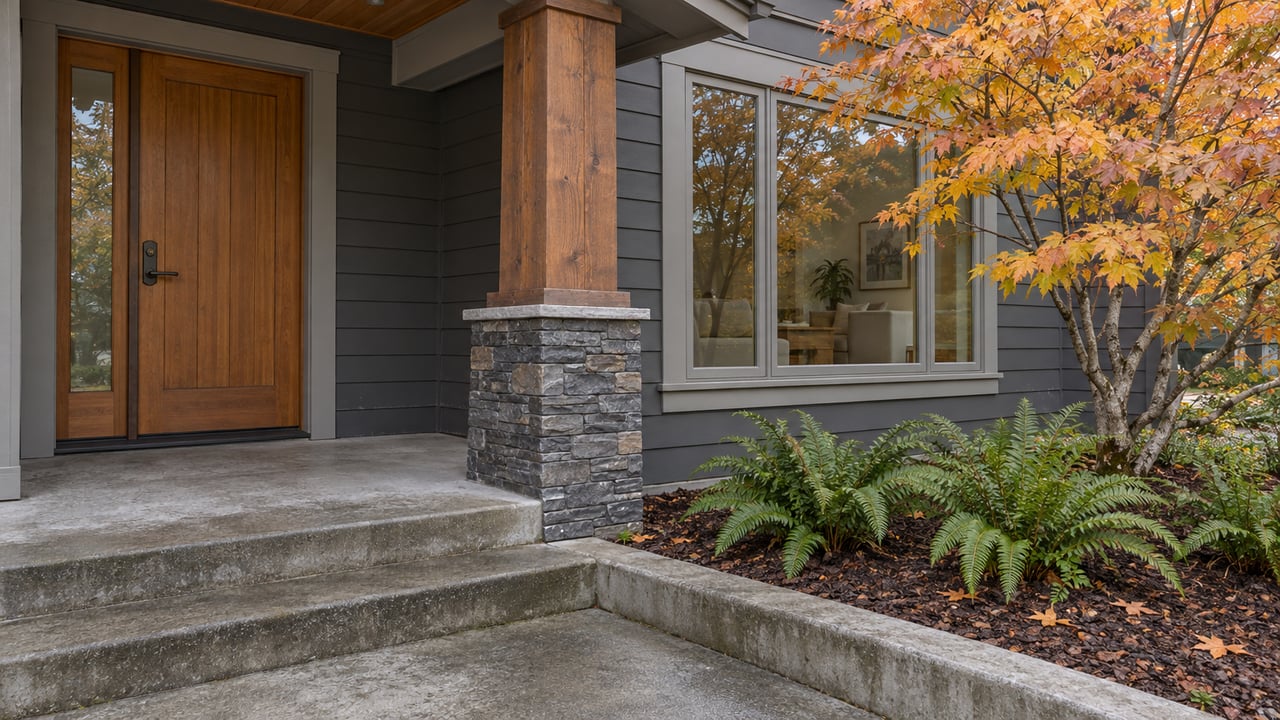
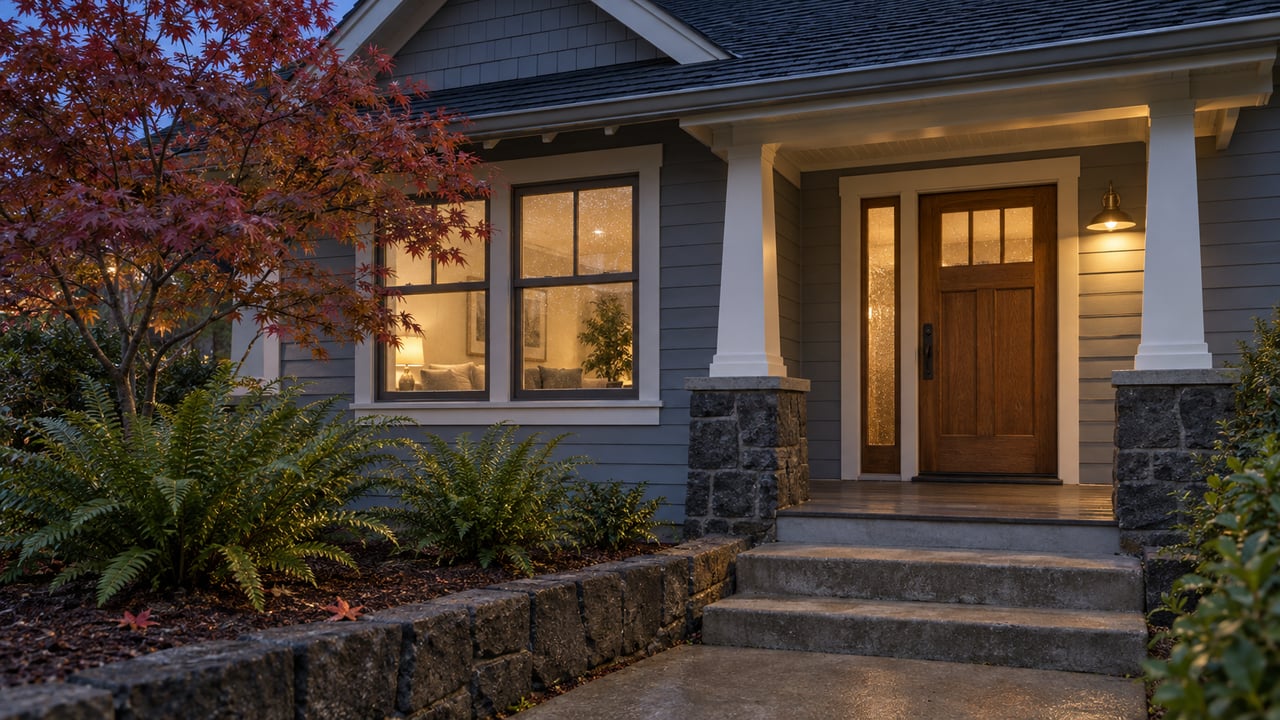
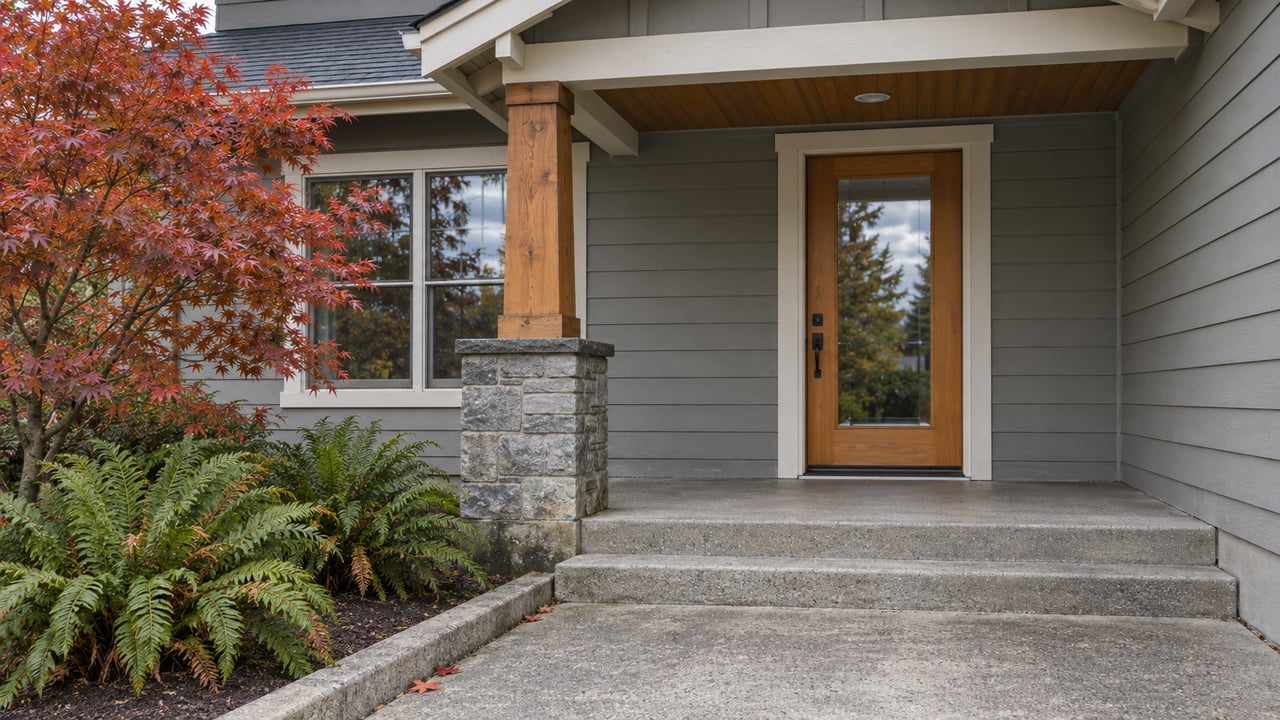
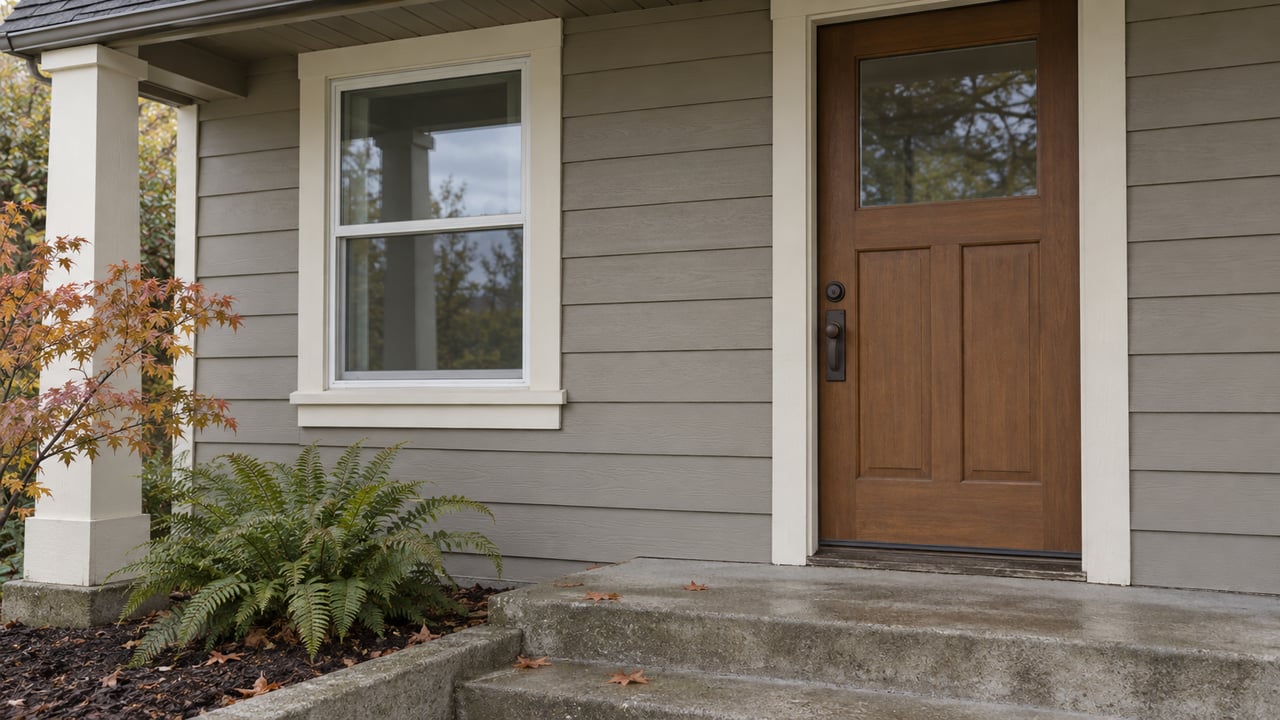
- Exterior curb appeal: landscaping clean-up, front door and lighting, small deck or rail repairs.
- Energy items: window replacement only where ROI is clear, insulation or envelope fixes if problems are obvious.
Financing shapes returns
Your loan type often decides whether a flip or hold pencils out.
- Hard money: fast and flexible with higher rates and points. Works for speed, but carry costs rise quickly.
- Conventional investment loans: lower rates with larger down payments. Strong fit for buy-and-hold.
- FHA 203(k) or other renovation loans: useful if you will occupy initially and meet program rules.
- DSCR loans: underwritten to the property’s rental income, helpful if personal income documentation is limited.
- Cash: simplifies rehab and timelines and lowers carrying cost. Consider the tradeoff in liquidity.
Tax treatment differs too. Frequent flipping can be treated as ordinary business income at the federal level. Rentals can benefit from depreciation and long-term capital gains if held over one year. Washington has no state income tax, but federal rules still apply. Always consult a tax professional.
Timeline sensitivity and risk
Flips are fragile when schedules slip. A small overrun can erase projected profit.
- If rehab runs 10 to 30 percent over budget, your margin can collapse.
- One to three extra months of carry cost can turn a winner into a break-even.
- Late-found defects or permit delays add both cost and time.
Rentals face different risks.
- Rents that land 5 to 15 percent below plan or higher vacancies can dent cash-on-cash return.
- Maintenance rising 10 to 20 percent can change your NOI more than expected.
- Turnover costs and longer lease-up times reduce annual yield.
Permits, ADUs, and local rules
Tacoma typically requires permits for structural, electrical, plumbing, or work that changes living area. Cosmetic work often does not need a permit, but verify with the City of Tacoma. Plan time for reviews and inspections in your schedule.
Accessory dwelling units may be allowed depending on zoning, setbacks, and utility requirements. ADUs can increase rental income but require higher up-front investment and permitting. Confirm sewer versus septic on each lot, since septic can constrain expansion.
Short-term rentals can have local licensing or restrictions. Review Tacoma municipal code before pursuing that exit. Pierce County property taxes and special levies can change year to year, so confirm current assessments and factor them into carry or operating costs.
Landlord-tenant basics in Washington
Washington state statutes set notice periods, deposit handling, and habitability standards. Tacoma may have additional local requirements like rental registration or inspections. Make sure smoke and carbon monoxide alarms meet current rules at turnover. If you self-manage, learn the timelines. If you hire a manager, confirm their compliance process.
Your modeling starter ranges
You can build a simple model with a few inputs. While you should pull current NE Tacoma comps before finalizing anything, these ranges can help you think clearly.
- Purchase price: base on recent NE Tacoma single-family comps and the home’s condition.
- Light rehab cost: cosmetic projects often fall from a few thousand to about 30,000 to 60,000 depending on scope. Always validate with contractor bids.
- Flip timeline: 2 to 6 months if scope is light and vendors are reliable.
- Rental horizon: plan for 3 to 10 years or longer, with time for initial tenant turnover.
- Carry costs: know your monthly interest, taxes, insurance, and utilities.
- Selling costs: factor agent commissions, closing costs, staging, and any concessions.
- Rental operations: include property management, maintenance, vacancy, and reserves.
Two simple sensitivity checks give you guardrails.
- Flip break-even: Add purchase, rehab, carry, and selling costs to find the minimum sale price needed to break even.
- Rental break-even: Tally mortgage, taxes, insurance, management, maintenance, and reserves to find the minimum rent for positive cash flow.
Due diligence checklist for NE Tacoma
- Pull 3 to 6 recent comparable sales and actives in NE Tacoma to confirm ARV.
- Pull 3 to 6 comparable rental listings and talk with local property managers about achievable rent and lease terms.
- Order a professional inspection focused on roof, envelope, HVAC, electrical, plumbing, and crawlspace.
- Get 2 to 3 licensed contractor bids for any systems or exterior work.
- Check permit history and open code issues with the City of Tacoma.
- Verify current taxes and assessments with the Pierce County Assessor.
- Confirm zoning and ADU feasibility before planning added units.
- Build a precise holding cost worksheet for mortgage interest, taxes, insurance, utilities, HOA, lawn and garbage, and management.
- Call the permitting department to confirm permit types and inspection timing for your scope.
How a local team adds value
A local, relationship-driven team can help you source the right 1980s home, validate comps, right-size the scope, and coordinate trusted contractors. If you plan to sell, a concierge-style prep program can streamline upgrades and position your property to earn top-of-market attention. If you plan to hold, a clear rental pro forma and local vendor network can reduce risk.
You get the most leverage when you combine neighborhood knowledge, honest pricing guidance, and a disciplined plan for scope and financing. That is how you turn a typical 1980s NE Tacoma home into either a successful light flip or a reliable long-term hold.
If you want a tailored flip-versus-hold model for a specific NE Tacoma address, we are here to help. Schedule a free consultation with Unknown Company.
FAQs
What makes NE Tacoma 1980s homes good flip candidates?
- Many need only light cosmetic updates, which you can plan and price more predictably. When you buy below retail and keep timelines tight, you can capture value on resale.
What risks are unique to Pacific Northwest 1980s homes?
- Moisture-related issues like siding wear, crawlspace dampness, and mildew in poorly ventilated areas are common. Inspections focused on the building envelope and crawlspace are essential.
How do financing choices affect a flip vs hold decision?
- Hard money raises carrying cost and demands a quick exit, which suits flips. Conventional or DSCR financing can better support rentals with lower monthly cost over time.
Do I need permits for a cosmetic refresh in Tacoma?
- Cosmetic updates often do not, but structural, electrical, plumbing, or added living area usually do. Always verify permit requirements with the City of Tacoma before starting work.
What are typical light rehab costs for 1980s homes?
- Cosmetic projects commonly range from a few thousand to about 30,000 to 60,000 depending on scope and finishes. Get multiple licensed contractor bids to confirm.
How should I model rental performance in NE Tacoma?
- Start with rent comps and include management, maintenance, vacancy, reserves, and debt service. Track cap rate, cash-on-cash return, and the effect of 5 to 15 percent rent swings in your sensitivity analysis.