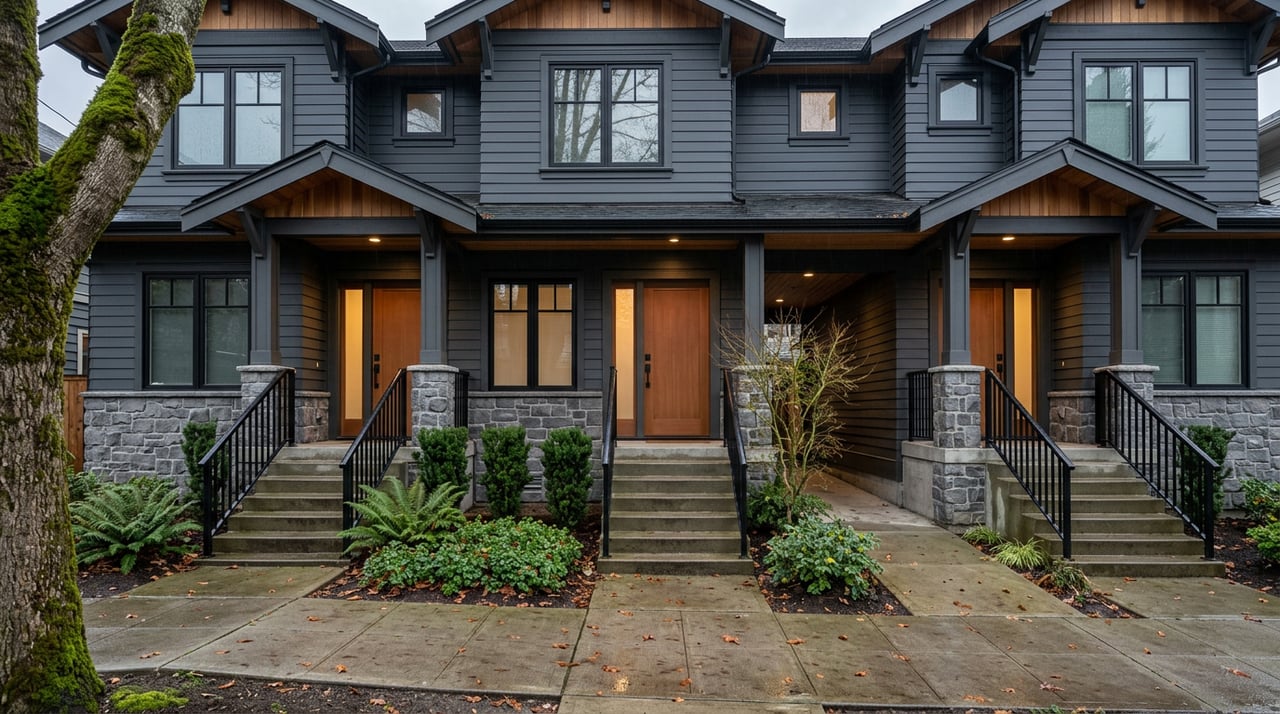
Ever wished you could grab coffee, pick up groceries, and catch a movie without getting in the car? If you want an easier, low‑maintenance lifestyle in Tacoma, a condo or townhome in the Proctor District could be a smart fit. You get walkable convenience, a lively neighborhood feel, and a path into North End living at a lower price point than many single‑family homes. In this guide, you’ll learn what attached living looks like in Proctor, typical price ranges, key HOA and financing checks, rental rules, and a step‑by‑step checklist to buy with confidence. Let’s dive in.
Why Proctor fits condo and townhome buyers
Walkability and daily errands
Proctor is a compact, small‑town‑feeling business district in North Tacoma, anchored by local shops, restaurants, and a popular farmers market. The area emphasizes a pedestrian experience, which the City of Tacoma highlights in the Proctor District Neighborhood Plan focused on safety and human‑scale design. Walk Score queries for Proctor addresses often show ranges where many errands can be done on foot, which aligns with what you’ll see on the ground. If you want to preview the area’s walkability, browse a sample address on Walk Score.
- Explore the neighborhood vibe with the Proctor District Association’s overview of local businesses and community events. You’ll find the Blue Mouse Theatre, Metropolitan Market, and weekly market days that make quick trips simple. For planning and design context, review the City’s Proctor District Neighborhood Plan.
Proctor District Association overview
City of Tacoma’s Proctor District Neighborhood Plan
Parks, schools, and outdoor access
Proctor gives you quick access to groceries, dining, and services, plus nearby parks and green space. You’re close to larger outdoor destinations like Point Defiance and Ruston Way for trails and waterfront time. The area is served by Tacoma Public Schools, and you can review district resources directly for school details. If you want a neighborhood that feels active without feeling hectic, Proctor checks that box.
Transit and getting around
Several Pierce Transit routes run through or near Proctor, connecting you to downtown Tacoma, the Tacoma Dome, and other hubs. Service plans do evolve, so it’s smart to verify current routes and timetables before you rely on a specific bus line. Street parking is common around the business core, and many attached communities include assigned garage or covered parking for owners with street options for guests.
Review Pierce Transit service planning
What condos and townhomes look like
Building types and era
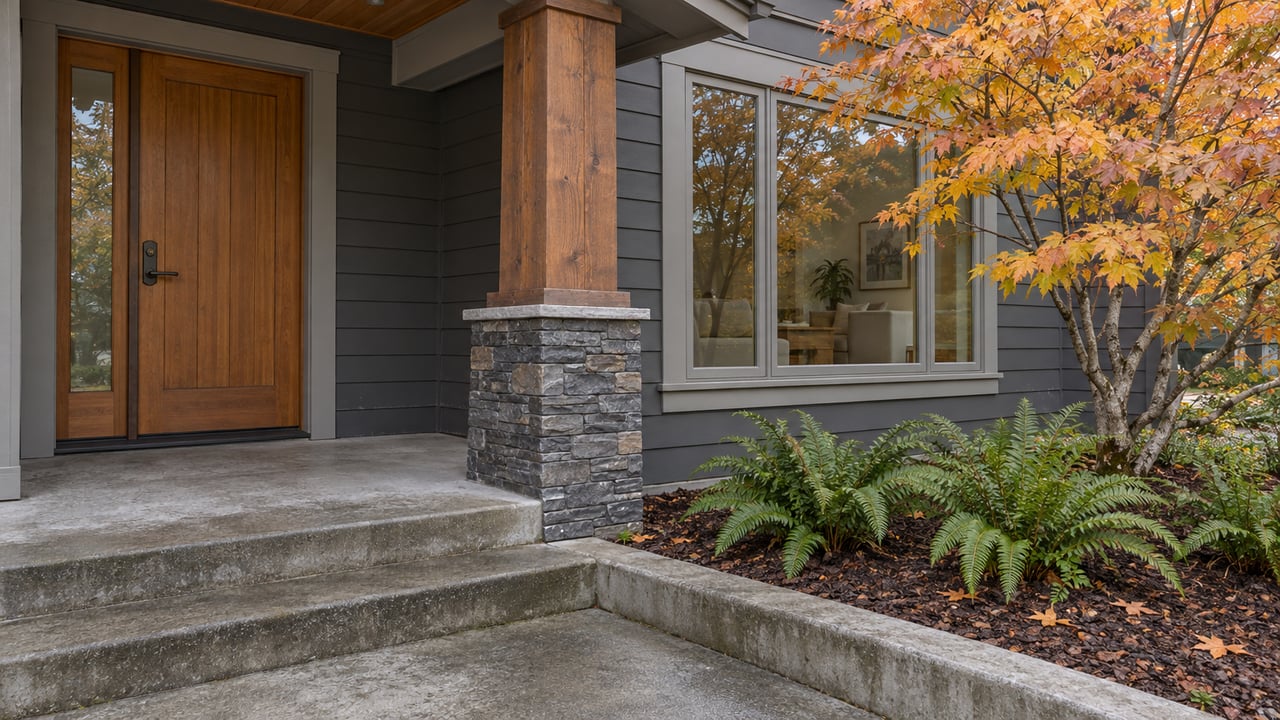
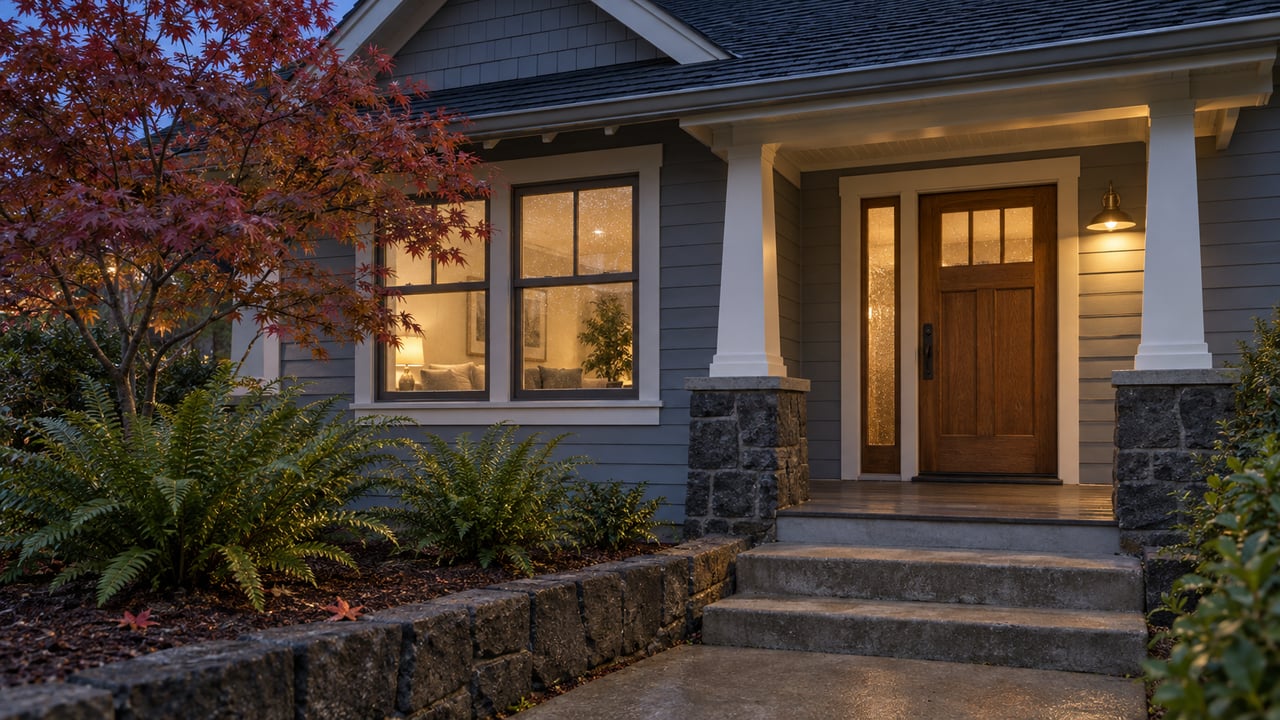
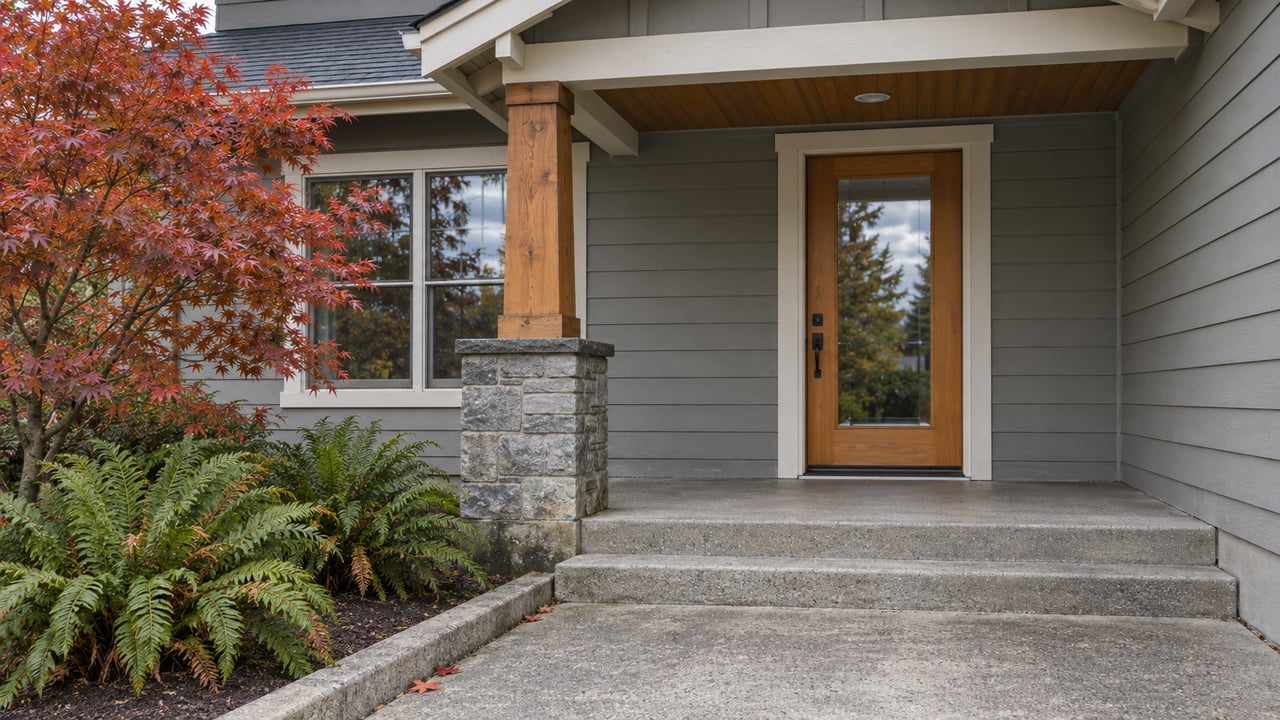
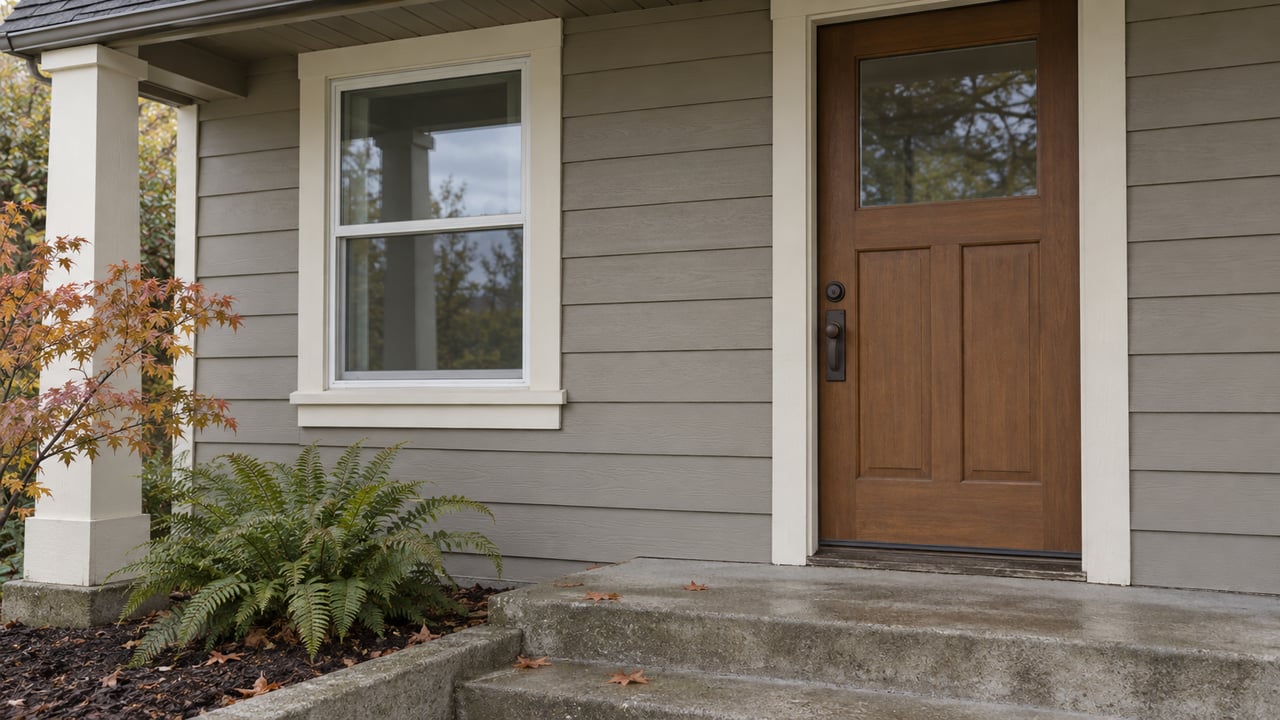
In and around Proctor, you’ll find a mix of low‑rise walk‑up condos, small stacked buildings, and townhome‑style condominiums. Some properties are conversions of older buildings, while others are 1980s to 2000s infill or purpose‑built condo communities. This variety gives you options, whether you prefer classic North End character or a more contemporary layout.
Common features and amenities
Many resale condos and townhomes offer in‑unit laundry, fireplaces, balconies or patios, and assigned parking in a garage or carport. Community amenities range widely. Some complexes offer gated entries, clubhouses, or pools, while smaller buildings often keep it simple with shared landscaping and storage. Since amenities differ, always confirm what is included, where parking is located, and how guest parking works.
What homes cost in Proctor
Representative recent resale evidence near Proctor shows many smaller condos in the mid‑$300Ks, with two‑bedroom and some three‑bedroom townhomes often appearing from the mid‑$300Ks to low‑$400Ks. These figures fluctuate with inventory and interest rates, and the Proctor micro‑market can be tight. In contrast, North Tacoma single‑family medians are commonly higher, with neighborhood medians often around the $600K‑plus range depending on the zip code and timing.
If you’re weighing budget and location, attached living can be a meaningful affordability path into the North End while keeping you close to daily needs and transit. Your exact range will depend on size, parking, updates, and HOA dues, so ask your broker for current comps and HOA fee trends.
HOA due diligence essentials
Washington resale certificate
Washington law requires the condo association to provide a resale certificate that outlines the project’s financials, rules, and key disclosures. The statute also caps the reasonable fee for producing that certificate. You should review this packet carefully with your broker and, if needed, your lender or attorney because it includes the details that affect your monthly costs and future resale.
- What to look for: current budget and balance sheet, reserve study or funding plan, 12 months of board meeting minutes, insurance declarations, and all governing documents including CC&Rs, bylaws, and house rules.
Washington RCW on resale certificates
WUCIOA and reserve funding
Washington’s Uniform Common Interest Ownership Act, known as WUCIOA, continues to shape how associations are governed and how reserves are planned and disclosed. Ask whether the community operates under WUCIOA provisions and whether updates to documents are pending or completed. Strong reserve funding helps reduce the chance of surprise special assessments for big items like roofs or siding.
Rules that affect your use
Every association sets rules on everyday living. Before you waive contingencies, confirm:
- Rental policies, including caps and minimum lease terms.
- Pet policies, including size limits or registration.
- Parking and guest parking assignments and enforcement.
- Remodeling guidelines, especially where walls, plumbing, or shared systems may be common elements.
Clear answers here protect you from surprises after closing.
Financing your condo or townhome
FHA and VA basics
If you plan to use an FHA loan, your lender will check HUD’s database to confirm the condo project is approved or eligible for single‑unit approval. VA loans also review project health and eligibility. If a project is ineligible, you may need a different loan product or a larger down payment.
Fannie Mae and Freddie Mac checks
Many conventional loans require a project review through Fannie Mae’s Condo Project Manager or Freddie Mac’s similar tool. Lenders look at owner‑occupancy ratios, assessment delinquencies, commercial space, and insurance coverage. Get your lender started early so loan options are clear before you make an offer.
Fannie Mae condo project standards
Renting your unit in Tacoma
If you plan to rent your condo or townhome, you have two steps. First, confirm the association allows rentals and whether any caps are in place. Second, follow the City of Tacoma’s rental housing licensing and code requirements, which cover habitability standards, notices, and inspections.
Tacoma rental housing licensing and rules
Attached vs single‑family tradeoffs
- Cost and access: Condos and townhomes often price lower than nearby single‑family homes, which can open doors to North End living.
- Maintenance: HOAs usually handle exterior items like siding, roofing, and landscaping. You trade a private yard for shared spaces and lower upkeep.
- Control vs convenience: Single‑family homes offer more control over exterior choices and outdoor space. Attached living prioritizes convenience, location, and less maintenance.
- Resale variables: Condo resale depends on HOA health and lending eligibility. Well‑run, walkable projects near Proctor can hold value, but buyer pools may narrow if a project loses eligibility for common loans.
Buyer checklist for Proctor condos and townhomes
Use this quick list to stay organized:
- Ask for the Washington resale certificate early. Review the budget, reserve study, minutes, insurance, and all rules before waiving contingencies.
- Confirm project lending eligibility with your lender. Check the HUD FHA list and ask for a Fannie Mae or Freddie Mac project review.
- Verify rental, pet, parking, and remodeling rules. Get answers in writing from the seller or HOA representative.
- Check assigned and guest parking on the plat or recorded map. Clarify what is deeded, assigned, or first‑come, first‑served.
- Look for upcoming capital projects. For older buildings, ask about roofs, windows, and siding and whether reserves can cover them.
- Validate walkability and transit for your routine. Preview bus routes and walk key blocks during different times of day.
- Compare HOA dues and coverage across a few communities. Align what you pay with the amenities and maintenance included.
Ready to explore Proctor living?
If you want low‑maintenance living with a true neighborhood feel, Proctor’s condos and townhomes deliver convenient North End access at approachable price points. When you are ready, our team can help you compare buildings, decode HOA documents, confirm lending paths, and target listings that fit your lifestyle and budget. Connect with The Network to get local guidance and a clear plan for your next move.
FAQs
What makes Proctor good for condo living?
- Proctor offers a compact, walkable business district with shops, dining, and a farmers market, plus nearby parks and transit, which supports a low‑car, low‑maintenance lifestyle.
How much do Proctor condos and townhomes cost?
- Recent resale examples often show smaller condos in the mid‑$300Ks and many townhomes from the mid‑$300Ks to low‑$400Ks, with prices shifting based on size, parking, updates, and HOA dues.
What should I review in the condo resale certificate?
- Review the budget, reserve study, insurance declarations, 12 months of minutes, and all governing documents to confirm financial health and rules before you waive contingencies.
Can I use FHA or VA financing for a Proctor condo?
- Yes, if the project qualifies. Your lender will verify eligibility using HUD’s FHA database and Fannie Mae or Freddie Mac project review tools early in underwriting.
Can I rent out my Proctor condo?
- You can rent your unit if the HOA allows it and you follow the City of Tacoma’s rental licensing and code requirements, including any inspections or notices.
Is parking hard to find for Proctor condos?
- Many attached homes include assigned garage or covered parking and rely on street parking for guests. Always verify the parking type, location, and guest rules in HOA documents.