Trying to decide between a townhome and a detached house in Ballard? You want the convenience of Ballard Ave, Golden Gardens, and local shops, but you also want a smart purchase that fits your budget and plans. This guide walks you through costs, lifestyle trade-offs, financing, and the key due-diligence steps that matter most in Ballard. You will finish with a clear checklist and next steps you can act on today. Let’s dive in.
Ballard housing at a glance
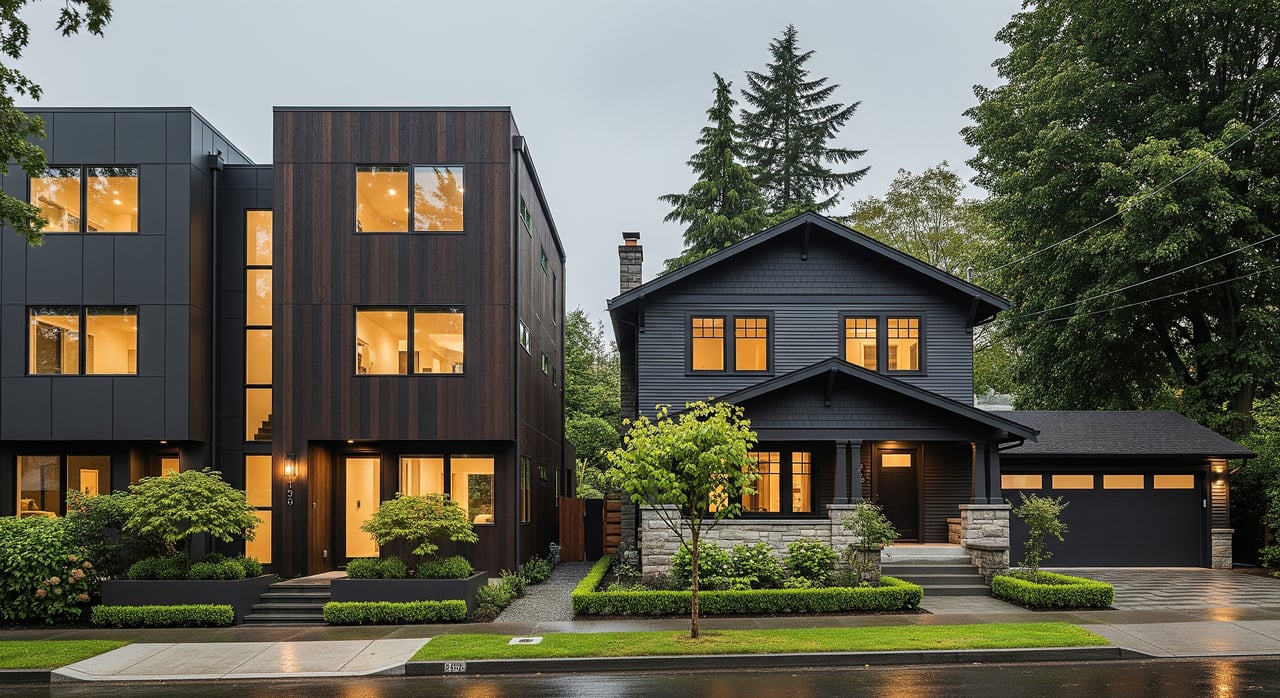
Ballard blends an older core of detached homes with a large wave of recent townhome and low-rise infill. Many streets feature Craftsman-era and mid-century houses, while newer attached townhomes cluster near commercial corridors like NW Market St and Ballard Ave NW. Proximity to Shilshole Bay, the Ballard Locks, and parks gives the area strong lifestyle appeal.
Developers have focused on Ballard for higher-density housing near shops and transit. If you want to understand where new homes can be built, check zoning and permit records through the Seattle Department of Construction & Inspections.
For current pricing and inventory trends, review up-to-date data on Redfin’s Seattle market page and the latest insights from Zillow Research. A local market analysis is essential, since price gaps between townhomes and detached houses can shift by block and by season.
What you own: townhome vs house
Detached house basics
You typically own the land and the structure in fee-simple. You set your own maintenance plan, subject to city codes, permits, and easements. You also control outdoor space, which can be a major factor in Ballard where yard space is limited near commercial areas.
Townhome basics
You own your interior space and any private limited common elements, with shared areas managed by a homeowners association. Review recorded covenants, conditions and restrictions, bylaws, rules, and budgets before you commit. In Washington, some townhomes are structured as condominiums, so it helps to know the governing rules under the state’s condominium laws. You can read the relevant state statutes via the Revised Code of Washington.
Price and monthly costs
Up-front costs
- Purchase price: Detached homes often command a premium for the lot and separation. Townhomes can offer a lower entry price per unit for similar interior square footage, though the gap changes with age, location, and condition. Check current comps by property type before you decide.
- Property taxes: King County taxes are based on assessed value. Verify a home’s tax history using the King County Assessor.
Ongoing costs
- HOA dues (townhomes): Monthly dues usually cover common-area maintenance, insurance for shared elements, reserves, and sometimes utilities or landscaping. Review the reserve study, recent meeting minutes, and any special assessments.
- Maintenance (detached houses): You handle the roof, exterior, yard, and major systems. Costs can be more variable, but you control timing and quality.
- Insurance: Townhome buyers often carry an HO-6 policy for interiors and personal property, while detached homeowners typically carry a standard HO-3 policy. Confirm what the HOA’s master policy covers and the deductible.
- Utilities and services: Townhomes may share or bundle some services. Detached homes usually have direct accounts in your name.
Financing differences to plan for
Detached homes generally qualify for conventional, FHA, and VA loans in a straightforward way. Townhomes that are legally condominiums can trigger project-level reviews by lenders. That includes owner-occupancy ratios, reserve levels, and whether any single owner holds too many units. If you plan to use FHA or VA financing, ask your lender early about project eligibility and approval requirements. For program details on condo approvals, review HUD’s condominium guidance.
Smart move: Get pre-approved, then have your lender review the specific townhome’s HOA documents and, if applicable, the condo questionnaire before you make an offer.
Lifestyle trade-offs in Ballard
Outdoor space and privacy
- Detached houses often provide private yards, room for gardening, and more separation from neighbors.
- Townhomes may offer small patios or rooftop decks, which reduce yard work but limit ground-level play or pet space.
Noise and shared walls
- Townhomes share at least one wall and sometimes floors or ceilings. Construction quality and soundproofing vary by project. Inspect party walls and ask about noise history.
- Detached homes provide more buffer, though street noise still varies by block.
Parking and commuting
- Parking is tight near Ballard’s commercial core. Townhomes may have garages or assigned spaces, while some rely on street parking. Confirm the specific parking allocation and guest policies.
- Ballard is served by bus routes and bike infrastructure. There is no light-rail station in Ballard as of 2024, so plan for bus or car commutes.
Remodeling and future flexibility
- Detached homes typically allow more flexibility to remodel, add an ADU, or expand, subject to permits and zoning. Review ADU rules and permits with Seattle DCI.
- Townhome exteriors and shared elements are HOA controlled. Expect to seek HOA approval for many changes.
Ballard-specific risks and research
Flooding and drainage
Areas near the Ship Canal, the Locks, and Shilshole Bay can face stormwater and tidal issues. Check flood risk for any address using the FEMA Flood Map Service Center. If a property lies in a mapped flood zone, discuss flood insurance needs with your insurer and review drainage history during inspections.
New construction quality
Ballard has seen many small-scale townhome builders. Quality and warranty coverage vary. Ask about builder warranties, prior claims, and any pending litigation. Review permit history and final inspections through the Seattle Department of Construction & Inspections.
Schools and assignments
Ballard is served by Seattle Public Schools. Boundaries and offerings can change, and assignments depend on your exact address. Review current boundary maps and information on the Seattle Public Schools site.
Due-diligence checklist
For townhomes and HOA-governed properties
- Governing documents: CC&Rs, bylaws, rules and regulations
- Financials: Current budget, recent financials, reserve study, and funding policy
- Meetings: HOA board and member meeting minutes from the last 12 to 24 months
- Insurance: Master policy coverage and deductibles, what the owner must insure
- Legal: Any pending litigation or construction claims
- Assessments: Special assessments in the past 24 months and planned capital projects
- Use rules: Rental limits, minimum lease terms, and pet policies
- Parking: Unit allocation, guest policies, and EV-charging allowances
- Physical items: Roofs, exterior envelope and flashings, party walls, fire separation, and common-area condition
For detached houses
- Property lines: Survey or plat map, along with any easements
- Permits: Verify permits and final inspections for remodels or additions with Seattle DCI
- Systems and structure: Foundation, drainage, sewer lateral, roof, exterior cladding, and major mechanicals
- Site conditions: Tree health and root impacts on sidewalks, drains, and sewer lines
- Expansion potential: Zoning, setbacks, and utility capacity for ADUs or additions
For both property types
- Full home inspection, including moisture and structural review
- Sewer scope, seller disclosures, and any available sewer certificates
- Pest inspection if indicated
- Neighborhood comps and a recent sales analysis by property type
- Property tax history and current bill via the King County Assessor
- Seller Q&A: Noise history, neighbor disputes, recent insurance claims
- Access and parking verification, including deliveries and emergency vehicle access
How to make your choice
- Clarify your must-haves. Yard space, privacy, low maintenance, or flexibility to add an ADU.
- Get pre-approved and ask your lender about condo or HOA project requirements early.
- Tour both options on the same day. Compare natural light, noise, parking, and storage.
- Review hard numbers. Estimate HOA dues plus insurance for townhomes, and maintenance plus insurance for detached homes. Confirm taxes through the King County Assessor.
- Do the due diligence. Order inspections, read HOA documents, and verify permits with Seattle DCI.
If you want a local guide to walk you through comps, HOA documents, and inspection strategy, reach out to The Network. We will help you compare real properties side by side and make a confident choice in Ballard.
FAQs
What is the key ownership difference between Ballard townhomes and houses?
- Detached houses are typically fee-simple ownership of land and structure, while many townhomes have shared elements governed by an HOA that sets rules and manages common areas.
How do HOA dues for Ballard townhomes impact monthly costs?
- HOA dues fund common maintenance, insurance for shared areas, and reserves, so include them in your monthly budget and review the reserve study, recent minutes, and any special assessments.
Can I use FHA or VA financing on a Ballard townhome?
- Often yes, but if the townhome is part of a condominium, the project may need to meet program criteria, so have your lender check HUD condo guidance and the project details early.
How do I check flood risk for a Ballard address near the water?
- Look up the property on the FEMA Flood Map Service Center and discuss flood insurance needs with your insurer if the home lies in a mapped flood zone.
Where can I verify permits for a Ballard remodel or ADU?
- Search zoning, permits, and final inspections with the Seattle Department of Construction & Inspections to confirm what was allowed and properly signed off.
How do I confirm current property taxes for a Ballard home?
- Review the property’s tax history and current bill on the King County Assessor site to understand the assessed value and annual taxes.
Do school boundaries affect Ballard home choices?
- School assignments depend on your exact address and can change over time, so confirm current information on the Seattle Public Schools website before you buy.