Salt air in the morning, paddleboards gliding past at sunset, and dinner on the deck while the harbor lights come on. If that picture draws you in, Gig Harbor’s waterfront lifestyle might be the right fit. Still, buying on or near the water comes with unique questions about docks, permits, tides, and maintenance. In this guide, you’ll learn the main ways to live on the harbor, what daily life looks like, and the key checks to make before you buy. Let’s dive in.
Why Gig Harbor waterfront stands out
Gig Harbor is a compact, maritime city on Puget Sound with a sheltered basin at its heart. The historic core lines Harborview Drive, where you can stroll to marinas, parks, and local restaurants within minutes. Because water shapes so much of life here, the city uses a formal Shoreline Master Program to guide how docks, seawalls, and other waterfront changes are handled. If you are comparing different types of homes, that local framework is an important part of planning your purchase.
Daily life feels both relaxed and active. You can launch a kayak before work, meet friends at a harborfront spot in the evening, and watch visiting boats tie up downtown on weekends. Summer brings more foot traffic, concerts, and events along the waterfront, while off-season months feel quieter and more neighborly.
Where to live on or near the water
Downtown harborfront condos
If you want to walk everywhere, harborfront condos place you at the edge of the basin near shops, cafes, and parks. You trade a private dock for easy access to public moorage, community events, and low-maintenance living with an HOA. Downtown’s Jerisich Dock offers transient moorage right in the center of it all, which is ideal for visiting friends by boat.
What to expect: most buildings are low to mid rise, units emphasize views and convenience, and maintenance is simpler than a single-family shoreline home. You will rely on nearby slips or guest moorage rather than on-site private moorage.
Marina-side living and floating experiences
Some properties and rentals connect directly with a working marina. At Gig Harbor Marina & Boatyard, you will find covered and uncovered slips, haul-out services, and a social marina scene. The marina even offers Fleet Suites floating-inn style stays so you can sample life on the water before committing.
What to expect: you gain on-site marine services and an active community, but you follow marina rules and leases rather than owning tidelands outright. This can be great if you prefer convenience over private dock ownership.
Single-family waterfront with private dock
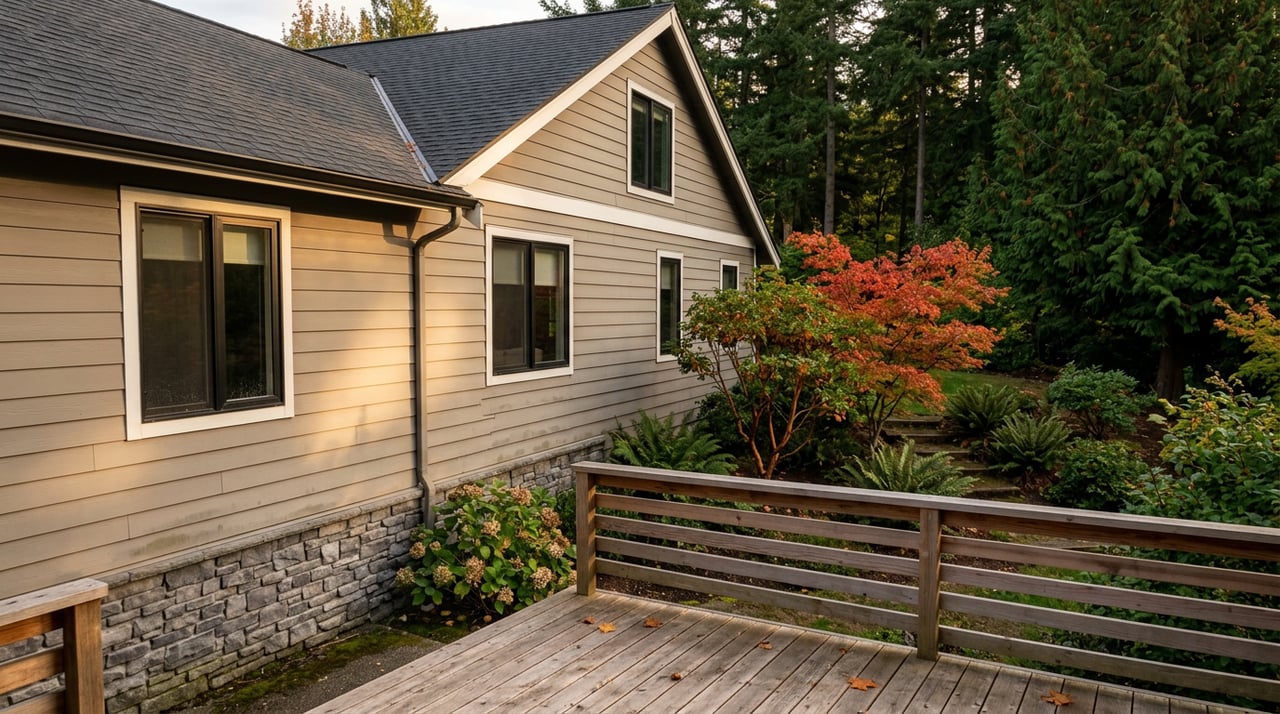
Detached homes on inlets like Wollochet Bay often include a private dock or buoy, plus direct beach access. Many lots are sloped, so you may see long stair runs to the shoreline. You get unmatched access and privacy, paired with higher upkeep and permitting awareness.
What to expect: plan for dock maintenance, bulkhead care where present, and specialized insurance. Confirm whether tidelands are owned, shared, or leased, and review shoreline rules before planning changes.
Hillside view homes
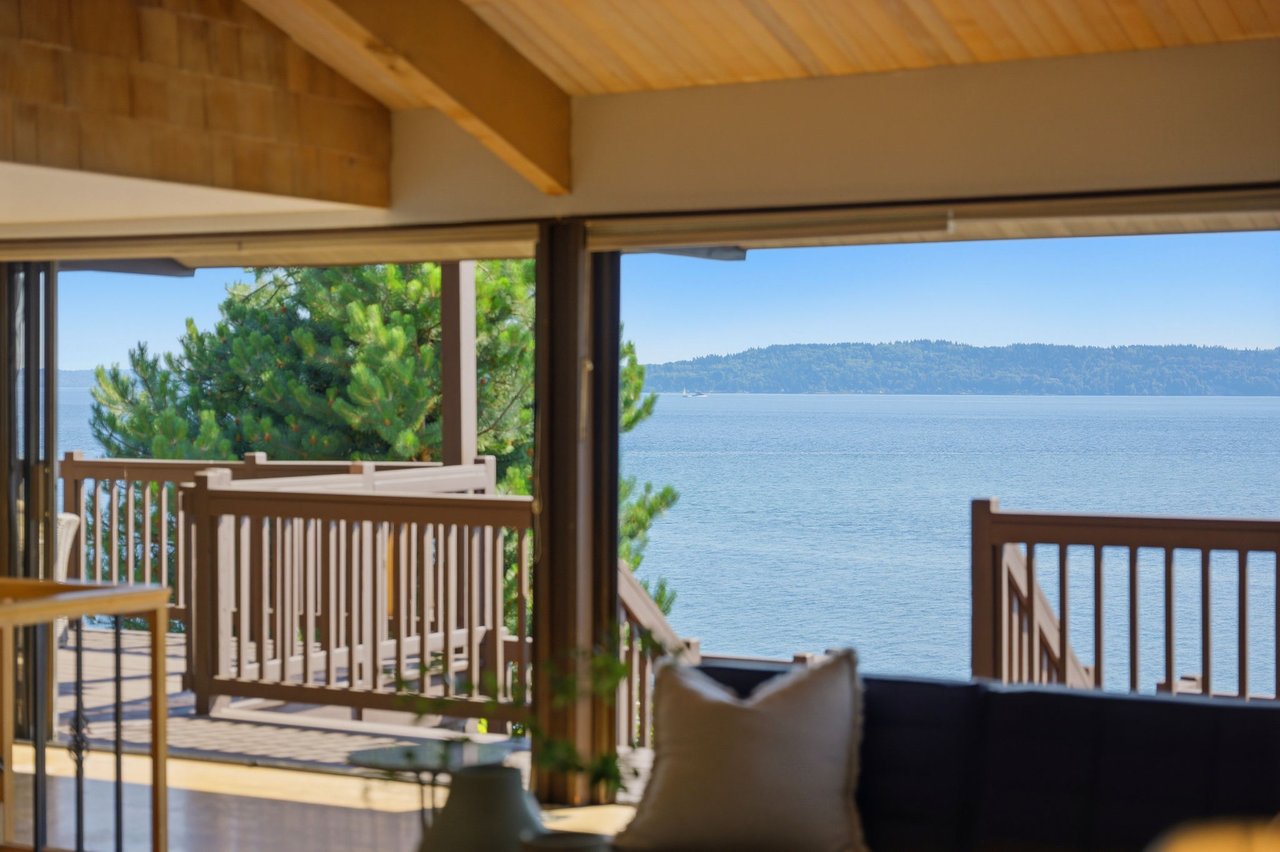
Homes set above the shoreline deliver sweeping views across the harbor and Puget Sound without the complexity of direct waterfront. You trade a private dock for easier daily access, lower maintenance, and fewer shoreline permits. Neighborhoods near scenic overlooks and upland streets offer big vistas and quick access to town.
What to expect: dramatic scenery, simpler upkeep, and more flexibility with renovations compared to shoreline lots. Boat access comes from public launches and marinas rather than your own dock.
Rural and unincorporated shoreline parcels
Just outside city limits toward Purdy, Henderson Bay, and the Key Peninsula, you will find larger lots and varied zoning. Some areas rely on septic systems and have different permitting paths. If you want space and a quieter setting, this can be a fit as long as you confirm jurisdiction and services early.
What to expect: more room and privacy, with added diligence on utilities, shoreline rules, and potential dock rights under county or state oversight.
Daily life on the water
Marinas and water access
Downtown life revolves around the water. Jerisich Dock provides first-come, first-served guest moorage with posted fees, water, power, and seasonal pump-out. Full-service marinas like Gig Harbor Marina & Boatyard keep the harbor working, from long-term slips to haul-out and repairs. Expect paddlecraft, visiting cruisers, and a friendly rhythm of comings and goings around the basin.
Dining and waterfront culture
Waterfront dining is a defining part of Gig Harbor’s charm. Restaurants along Harborview Drive pair views with boat-friendly access, and many residents meet up over fresh seafood or weekend brunch. The energy picks up in summer as more visitors arrive by land and by boat.
Parks, trails, and boating
Skansie Brothers Park hosts farmer’s markets, concerts, and a steady flow of families enjoying the lawn and views. The Harbor History Museum anchors the maritime story with exhibits and programs that connect you to local boatbuilding history. For beach days and paddling, nearby Kopachuck State Park offers scenic shoreline and island views just a short drive away. You will also find boat ramps, small pocket parks, and marine camps that make it easy to get on the water.
Events and seasons
Community life centers on the harbor, from summer concerts to lighted boat parades and the Maritime Gig Festival. Expect lively sidewalks in warm months and a calmer, cozy pace as the seasons change. Living near downtown makes it simple to join in without hunting for parking.
What to know before you buy
Permits and shoreline rules
Gig Harbor’s Shoreline Master Program sets the standards for docks, piers, marinas, setbacks, vegetation buffers, and shoreline stabilization. If you are considering a dock, buoy, or seawall work, plan for shoreline permits and environmental review. Where state-owned tidelands are involved, the Washington Department of Natural Resources manages leases and can require approvals, so coordinate early with DNR’s aquatic leasing along with city or county permits.
Pro tip: ask for the property’s shoreline environment designation and any prior permits or surveys. That will shape what is possible.
Docks, moorage, and access
Not all waterfront homes come with private moorage. Some rely on shared HOAs, leased marina slips, or a mooring buoy. If you hope to add or expand a dock, the SMP favors designs that limit impacts on navigation and nearshore habitat. Joint-use structures or buoys may be preferred over multiple individual piers. Public guest moorage, such as Jerisich Dock, has posted time limits and fees that differ from private rights.
Flood, erosion, and insurance
Insurance, building elevations, and certain improvements are affected by local flood maps. Always check Gig Harbor’s mapping resources and FEMA Flood Insurance Rate Maps before you finalize terms. Start with the city’s maps and FEMA links to understand your specific parcel. If a lot has an older seawall or bulkhead, budget for inspections and potential upgrades in your timeline.
Utilities, septic, and sewer
Utility service varies across the peninsula. Within the city, sewer and water coverage is mapped and planned through municipal systems, but outlying or unincorporated parcels may rely on septic. Before you write an offer, verify whether the home connects to municipal sewer or septic and get clarity on any future connection requirements. The city maintains utility planning documents and service maps you can reference with your agent.
Maintenance and ongoing costs
Waterfront living brings unique upkeep. Plan for periodic piling or float replacement, dock hardware checks, and occasional bulkhead repairs where present. Specialized insurance and marina or HOA fees can apply. The benefit is that local boatyards and marinas provide haul-out and repair resources close to home, including the services at Gig Harbor Marina & Boatyard.
Getting around: commute and transit
Gig Harbor connects to Tacoma and I-5 via State Route 16 across the Tacoma Narrows Bridge. Tolls are collected eastbound into Tacoma. The state publishes current rates, and Good To Go! accounts receive the lowest price. If you prefer to skip daily driving, Pierce Transit’s Route 100 links local stops and Park & Ride lots, and seasonal connectors and on-demand Runner service help you move around town.
How The Network helps you buy well
Waterfront and water-adjacent homes reward careful prep. You will want a guided review of shoreline designations, any DNR tideland involvement, flood mapping, and practical dock or buoy options before you decide. Our team pairs local Gig Harbor knowledge with Compass-level tools to help you model commute patterns, compare neighborhoods, and line up the right inspectors and marine contractors.
Whether you are drawn to downtown condo convenience, a marina-side lifestyle, or a private dock for your boat, we will help you understand tradeoffs and act with confidence. Ready to explore Gig Harbor’s waterfront homes? Connect with The Network to schedule a free consultation.
FAQs
What types of waterfront homes are in Gig Harbor?
- You can choose from downtown condos near public moorage, marina-side living with on-site services, single-family shoreline homes with docks or buoys, hillside view homes without direct water access, and larger rural parcels in nearby unincorporated areas.
How do tides affect daily dock use in Gig Harbor?
- Local inlets see noticeable tidal swings that influence shallow areas and dock clearances, so boaters plan around tide charts, and dock design often accounts for variable water levels.
What should I know about building a private dock in Gig Harbor?
- New or expanded docks require shoreline permits under the city’s Shoreline Master Program, and projects may need state aquatic-lands authorization if tidelands are involved. Joint-use or lower-impact options are often favored.
How do flood maps impact waterfront insurance and building plans?
- FEMA flood maps and local hazard rules influence required elevations and insurance premiums, so review your parcel’s mapping early and factor those standards into budgets and timelines.
What are my commute options to Tacoma and Seattle from Gig Harbor?
- Most commuters use SR 16 across the Tacoma Narrows Bridge, where tolls apply eastbound into Tacoma. Public transit options include Pierce Transit Route 100, seasonal connectors, and on-demand Runner service that links to Park & Ride lots.